Quick Answer
Identify the pest by the damage pattern. Whole stripped leaves and branches mean tomato hornworms. Tiny round shotgun holes mean flea beetles. Large ragged holes with shiny trails mean nocturnal slugs. Curled, sticky, yellowing leaf clusters mean aphids.
Each pest has a fast, organic fix that does not require a chemical spray. The trick is matching the right solution to the right culprit.
Read the Crime Scene First
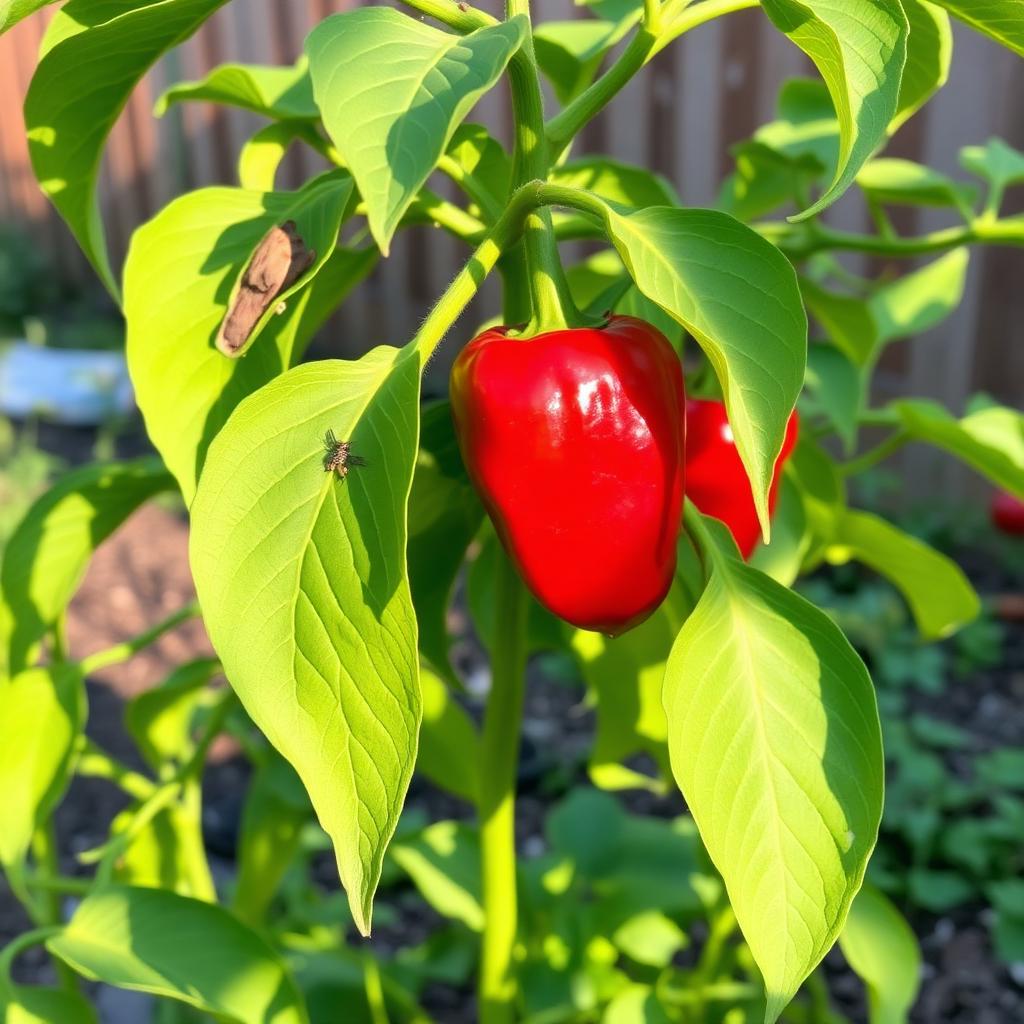
Before you reach for any treatment, examine the damage in good daylight. The shape, size, and location of the holes tells you almost everything.
Look at the top and underside of leaves, the soil around the stem, and the joints where leaves meet branches. The pest itself may be invisible by day but it always leaves a calling card.
Tomato Hornworm: The Overnight Stripper
If branches were lush yesterday and bare today, suspect a tomato hornworm (Manduca quinquemaculata). These three to four inch caterpillars are bright green with white diagonal stripes and a single horn on the rear. Their camouflage is nearly perfect.
Look for dark green or black barrel shaped droppings on lower leaves or on the soil. That is the dead giveaway.
The fix: Hand pick at dusk with a flashlight, or use a UV blacklight. Hornworms glow neon green under UV and become impossible to miss. Drop them in soapy water. Leave any worm covered in white rice like cocoons alone, those are parasitic wasp larvae that will hatch out and hunt the rest for you.
Flea Beetles: The Shotgun Pattern
If young pepper leaves look like someone fired a tiny shotgun at them, flea beetles are at work. The beetles are pinhead sized, shiny black or bronze, and they hop like fleas when disturbed.
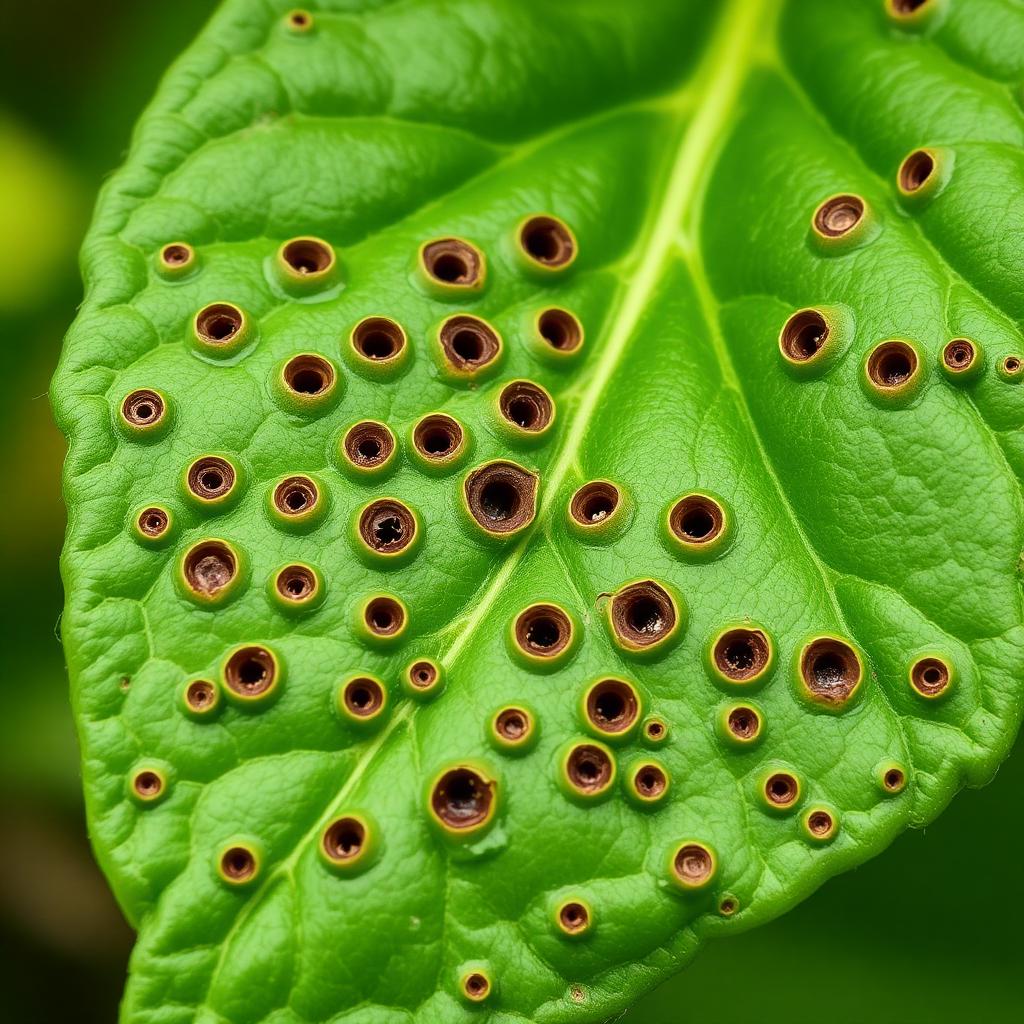
Mature plants tolerate flea beetles easily. Young seedlings can be crippled overnight.
The fix: Dust foliage with food grade diatomaceous earth at dusk, reapply after rain. For heavier infestations, spray with neem oil at a 1 percent dilution every 7 days. Floating row cover over seedlings until they reach a foot tall blocks the beetles entirely.
Slugs: The Midnight Chewers
Large ragged holes punched through the centre of leaves, rather than chewed in from the edges, point to slugs. Confirm by looking for silver dried slime trails on leaves or soil in early morning.
The fix: A shallow saucer of cheap beer sunk flush with the soil draws slugs in by the dozen. Iron phosphate bait pellets are pet safe and work well in damp climates. A 2 inch ring of crushed eggshell or coarse sand around the stem creates a barrier their soft bodies refuse to cross.
Aphids: The Sticky Cluster
If new growth at the stem tips is crinkled, yellowing, and sticky to the touch, flip a leaf over. You will find clusters of pinhead sized green, black, or pink soft bodied aphids.
Ants patrolling the stems are an extra clue. Ants farm aphids for the sweet honeydew they excrete.
The fix: Blast off colonies with a sharp jet of water from the hose for three days in a row. For stubborn outbreaks, spray with insecticidal soap or a 0.5 percent neem oil solution. Release purchased ladybugs in the evening near the affected plants for biological control.
Pepper Weevil: The Hidden Fruit Spoiler
If fruit drops while still small or shows a single dark pinprick hole, suspect pepper weevil. There is no organic spray that reaches the larva inside the fruit. Pick up and destroy every fallen fruit, rotate peppers away from solanaceous crops next season, and use yellow sticky traps to catch adults.
Whiteflies and Spider Mites
If a cloud of tiny white moths rises when you brush the plant, whiteflies are present. Fine webbing on the underside of leaves means spider mites. Both respond to weekly neem oil sprays and increased humidity around the plant.
Prevention That Actually Works
- Rotate pepper beds every year to break pest cycles.
- Plant a yarrow or alyssum border to draw in predator insects.
- Mulch with straw to deter slugs and even out soil moisture.
- Scout plants twice a week and act on damage before populations explode.
The Takeaway
Diagnose by damage pattern first, then match the fix. Hornworms get hand picked, flea beetles get dusted, slugs get beer, aphids get blasted. Stay observant, plant predator friendly companions, and your pepper patch will produce far more fruit than the bugs can ever steal.