Quick Answer
Crawl ratio is the total gear reduction between the engine's crankshaft and the wheels. It tells you how many times the crankshaft spins for one full tire rotation. A 4x4 with a 60:1 or higher crawl ratio can inch over rocks and steep ledges at walking pace without stalling or spinning tires.
For technical off-road driving, a high crawl ratio matters far more than horsepower. Torque multiplication, precise line control, and drivetrain protection all trace back to this one number.
How I calculate crawl ratio
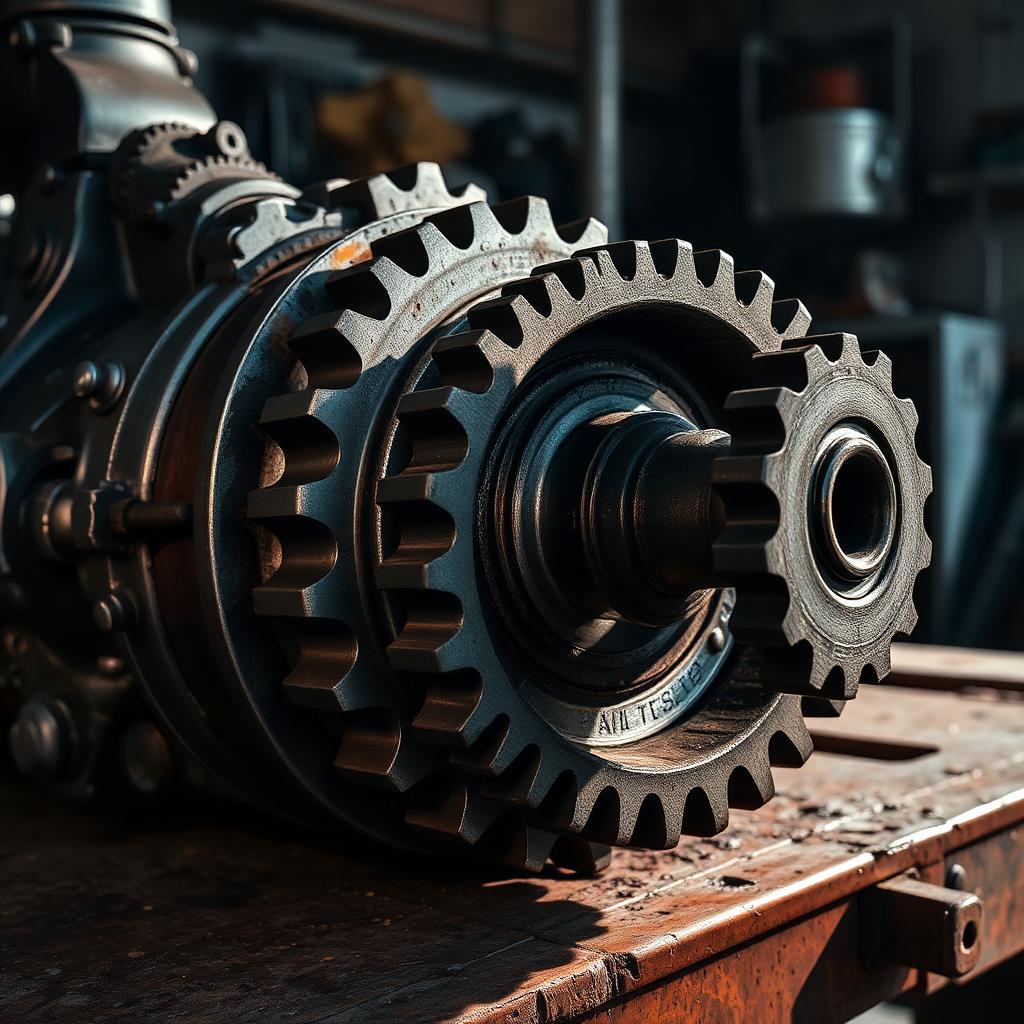
Crawl ratio is a simple multiplication of three drivetrain reductions: the transmission's first gear ratio, the transfer case low-range ratio, and the axle differential ring-and-pinion ratio. Multiply the three together and you have the number.
Example: a base part-time 4x4
A common older midsize 4x4 might have a 3.80 first gear, a 2.00:1 low range, and 3.73 axle gears. Multiplied out: 3.80 x 2.00 x 3.73 = 28.3:1. That is enough for fire roads and mild trails, but on real obstacles I have to feather the clutch or lean on the brake to keep speed under control.
Example: a modern Jeep Wrangler Rubicon manual
The manual Wrangler JL Rubicon pairs a 5.13:1 first gear with the Rock-Trac 4.0:1 low range and 4.10 axles. That works out to roughly 84:1. At idle in first, low range, the truck creeps forward at less than 1 mph while the engine barely ticks over.
Why a high crawl ratio matters off-road
1. Torque multiplication at the wheel
Engines make peak torque only in a narrow rpm band. On a steep climb from a dead stop I need massive force at nearly zero engine speed. Gear reduction is the mechanical trick that turns a modest 260 lb-ft of engine torque into thousands of lb-ft at the tire. A higher crawl ratio means more of that multiplication before the driveshaft ever reaches the wheel.
2. Precise line control
The old off-road saying is: as slow as possible, as fast as necessary. If my crawl ratio is only 20:1, I have to blip the throttle to keep from stalling, and the truck lurches over the rock instead of walking. That lurch is exactly when tires break traction and get me in trouble. With 60:1 or 80:1 gearing I can idle over the same rock, pick each tire's line, and stop mid-obstacle to reset if I need to.
3. Drivetrain protection
In a manual, a low crawl ratio forces me to slip the clutch constantly, which burns it out quickly. In an automatic, the torque converter takes the abuse instead, and repeated clutch or converter slip generates enough heat to cook a transmission on a long climb. With a proper crawl ratio the drivetrain does the work mechanically, my feet come off the pedals, and heat stays under control.
What counts as a good crawl ratio?
| Range | Best use | Notes |
|---|---|---|
| 30:1 to 40:1 | Mild trails, sand, mud, forest roads | Momentum-based driving; automatics tolerate this fine |
| 50:1 to 60:1 | General purpose overlanding and moderate rock | The sweet spot for most factory automatics |
| 80:1 to 100:1 | Technical rock crawling | Standard for serious manual-transmission trail rigs |
| 150:1 and up | Buggy and competition builds | Achieved with dual transfer cases or ultra-low crawl boxes |
How to increase a factory crawl ratio
Three levers, in rough order of cost and difficulty:
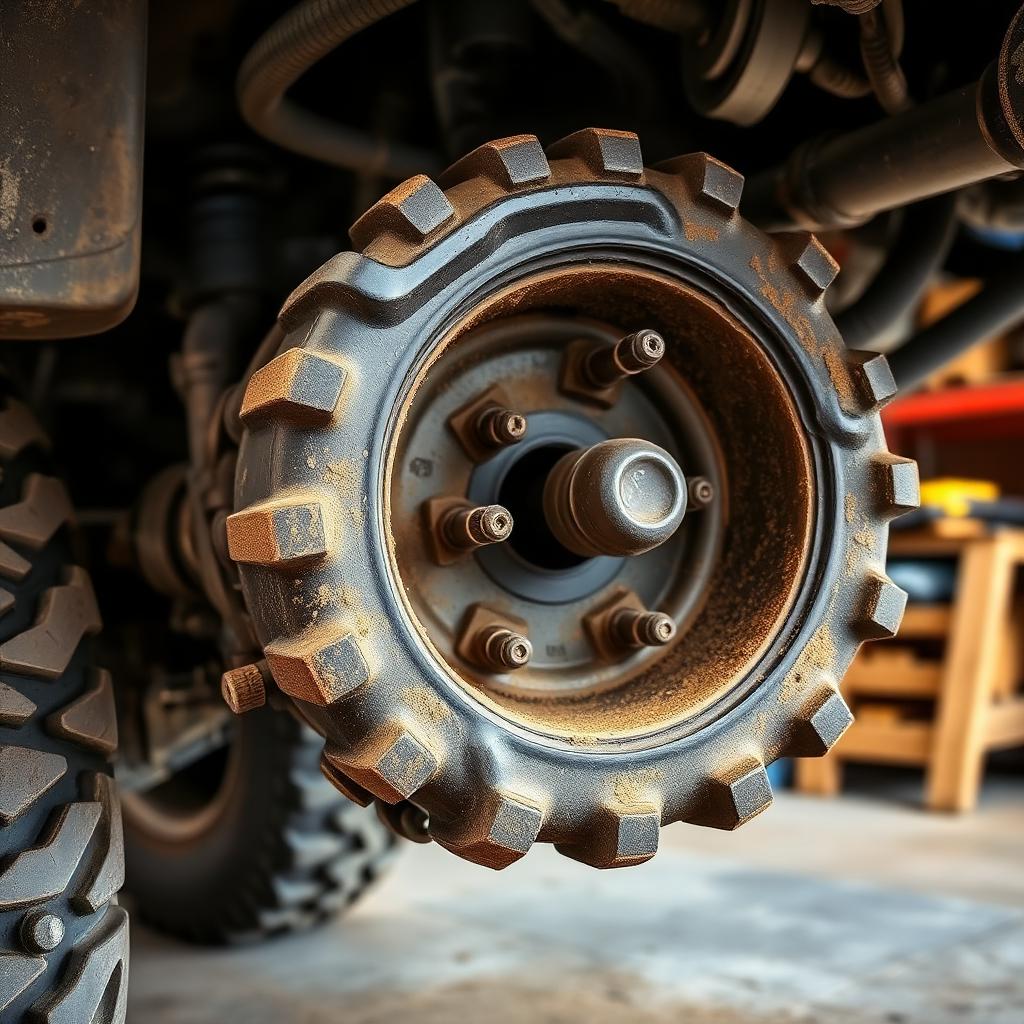
- Re-gear the axles. Swapping factory 3.21 or 3.73 gears for 4.56 or 4.88 ring-and-pinion sets is the most common upgrade, especially after installing larger tires. New gears restore both crawl ratio and drivability.
- Add a low-range reduction box. Aftermarket units from Advance Adapters (like the Atlas transfer case) or the JB Conversions Super Short kit multiply the factory low range for very deep crawl ratios.
- Choose a manual transmission with a granny gear. Some pickups and imports offer a dedicated ultra-low first gear meant for slow work.
Common questions about crawl ratio
Does tire size affect crawl ratio?
Not the ratio number itself, but it changes how the ratio feels. Bigger tires spin slower for a given engine rpm and demand more torque to turn, which is why a lifted rig on 37s usually needs a numerically higher axle ratio (like 4.88 or 5.13) to keep the effective crawl ratio strong.
Is a higher crawl ratio always better?
Off-road, mostly yes. On the highway, a numerically higher axle ratio hurts fuel economy and raises cruising rpm. The compromise is picking the numerically deepest gearing you can accept on your commute.
Do AWD crossovers have a crawl ratio?
Technically every drivetrain has one, but without a low-range transfer case an AWD crossover's crawl ratio maxes out around 15:1. That is why they cannot idle up serious obstacles the way a real 4WD can.
Bottom line
Crawl ratio is the true measure of a 4x4's mechanical leverage. When I evaluate a truck for real trail work, I do the math on first gear, low range, and axle ratio before I even look at horsepower. A vehicle with the right crawl ratio makes rock crawling feel calm and controlled; without it, every obstacle turns into a hopeful throttle stab.