Quick Answer
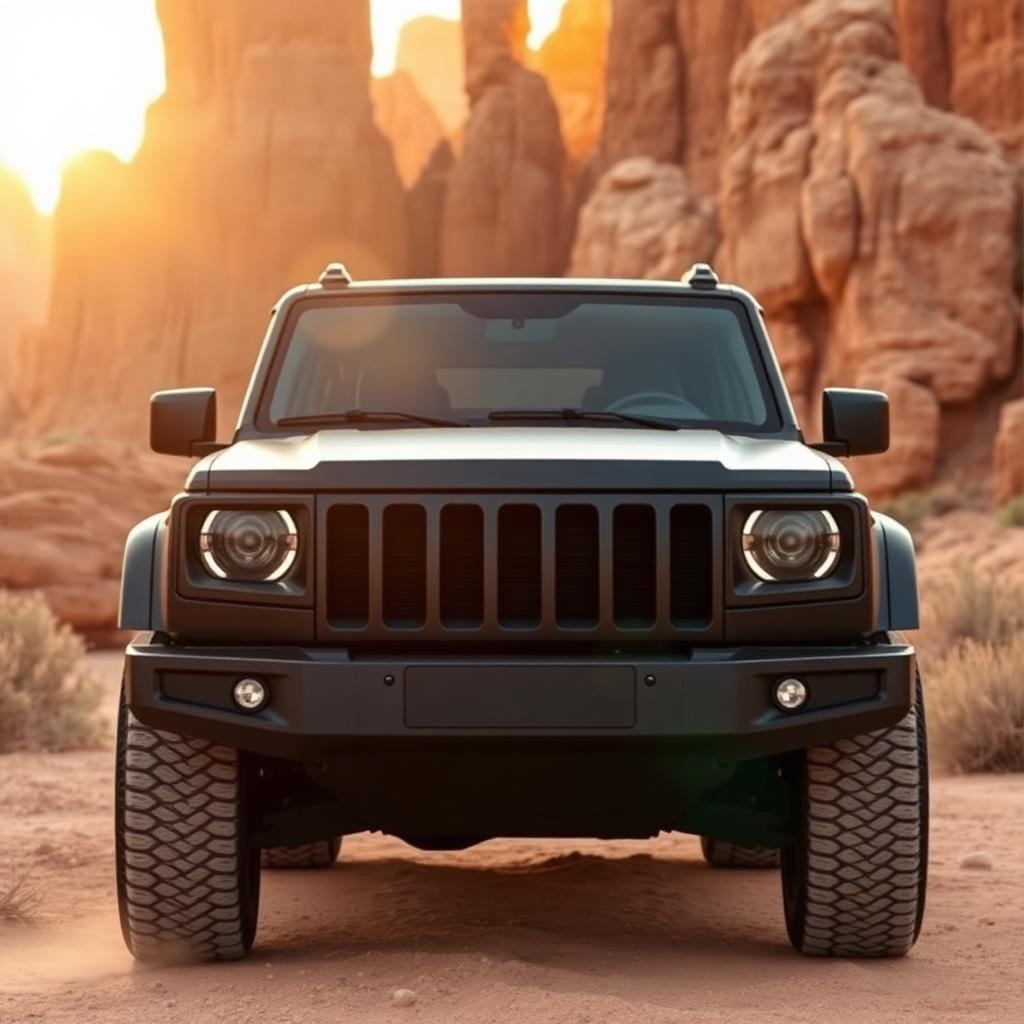
An off-road vehicle is any motorized machine engineered to travel across unpaved terrain like rock, sand, mud, snow, or marsh. What makes one "real" is not the badge, it is the combination of high ground clearance, a 4WD drivetrain with low-range gearing, articulating suspension, and protective underbody armor.
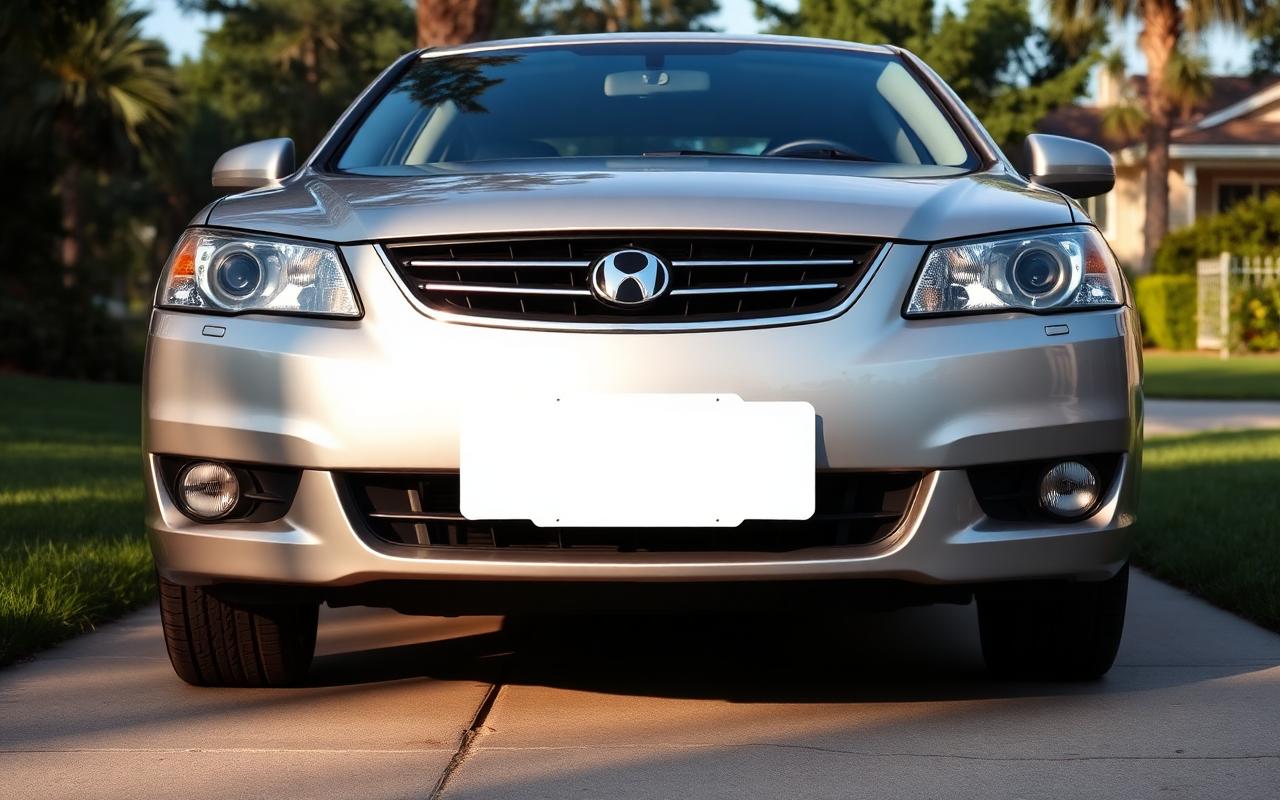
If a vehicle only has all-wheel drive, low overhangs, and street tires, I do not call it an off-road vehicle. It is a road car with better bad-weather grip.
How I define an off-road vehicle
Marketing loves to slap "rugged" and "trail-ready" on almost anything with a raised roofline. When I evaluate a vehicle for real trail work, I only look at the engineering. A genuine off-roader is designed to handle uneven ground without damaging critical parts, and to keep power flowing to whichever tire still has grip.
1. Ground clearance and vehicle geometry
The physical shape of the vehicle dictates what it can cross. I look for three numbers: approach angle, departure angle, and breakover angle. A serious off-road vehicle usually clears 8.5 to 10 inches under the lowest point (typically the differential housing) and has short overhangs at the front and rear so bumpers do not scrape on climbs and drops.
2. A drivetrain that can force power where I need it
True four-wheel drive uses a transfer case that mechanically locks the front and rear driveshafts together. A dedicated low range multiplies engine torque so I can crawl over obstacles at walking pace. Locking differentials add a second layer: they force both wheels on an axle to spin at the same speed, which is what actually gets me out of a hole when one tire is in the air.
3. Suspension built for flex, not corner speed
Off-road suspensions are tuned for articulation, the ability of the axles to twist independently, so all four tires stay planted on rocks and ruts. Highway cars aim for the opposite: stiff anti-roll setups that keep the body flat in a corner. The two goals are directly at odds.
The main categories of off-road vehicles
| Category | Common examples | Primary use |
|---|---|---|
| 4x4 SUVs and trucks | Jeep Wrangler, Toyota Tacoma, Ford Bronco | Trail riding, rock crawling, overlanding, utility |
| ATVs (quads) | Honda Foreman, Polaris Sportsman | Tight wooded trails, farm work, mudding |
| UTVs (side-by-sides) | Polaris RZR, Can-Am Maverick | Desert riding, dune climbing, technical trails |
| Dirt bikes | KTM XC, Honda CRF | Single-track, motocross, mountain paths |
4x4 SUVs and trucks
These are the vehicles most people picture. They are highway-legal, carry gear and passengers, and can drive from the garage straight to the trailhead. They range from utilitarian pickups to specialist rock crawlers.
ATVs
All-terrain vehicles are single-rider machines with a straddle seat and handlebars. They are nimble in tight woods and heavily used for hunting and farm work.
UTVs (side-by-sides)
Side-by-sides sit between ATVs and trucks. Bucket seats, a roll cage, foot pedals, and (on sport models) enormous suspension travel make them the fastest-growing segment of the powersports market.
The mechanical features I look for
- Skid plates: Steel or aluminum panels protecting the oil pan, transmission, transfer case, and fuel tank from rock strikes.
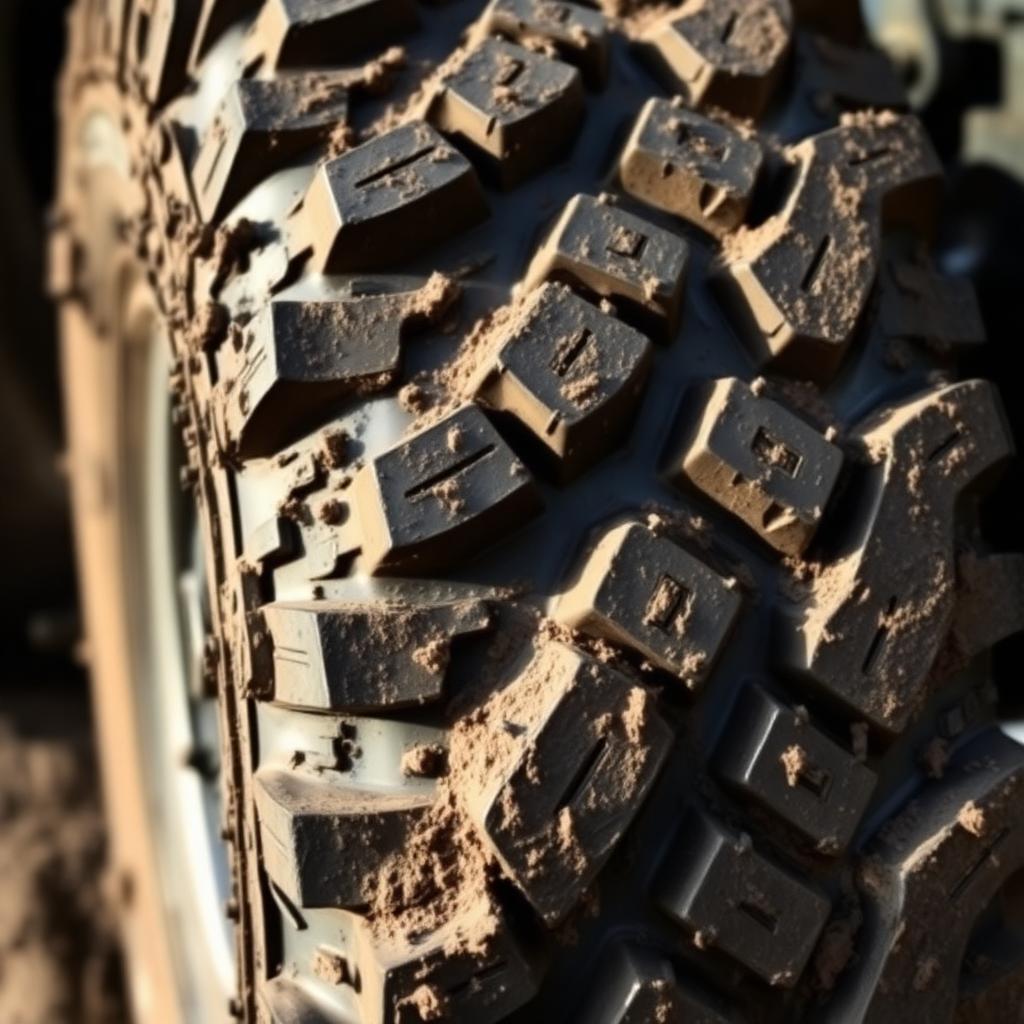
- Off-road tires: Reinforced sidewalls to resist punctures and deep tread that clears mud and sand.
- Recovery points: Frame-mounted tow hooks or rated D-ring shackles at both ends. Without them, safe recovery is not possible.
- Sealed electricals and breathers: Vents routed up high so water crossings do not swamp the differentials or transmission.
Bottom line
An off-road vehicle is defined by engineering intent. Whether it is a modified Wrangler built for rock crawling or a factory UTV built for desert racing, the priorities are the same: mechanical grip, protection, and geometry over cornering speed and fuel efficiency. If a vehicle sacrifices those to hit a lower price or a smoother highway ride, I treat it as a road vehicle with soft-road ability, not a real off-roader.
Common questions about off-road vehicles
Is an SUV automatically an off-road vehicle?
No. Most modern SUVs are unibody crossovers with all-wheel drive, low ground clearance, and street tires. They are engineered for highway comfort and light snow, not for real trail use. A vehicle only earns the off-road label when it combines a locking or part-time 4WD system, low-range gearing, at least 8 inches of clearance, and body-on-frame or reinforced unibody construction.
Can I turn a normal car into an off-road vehicle?
You can improve a car for dirt roads by adding all-terrain tires, a small suspension lift, and skid plates, but you cannot bolt on a transfer case or solid axles. Real off-road capability starts at the platform. Modifications extend what a capable base can do, they do not replace fundamental engineering.
What is the cheapest true off-road vehicle to buy used?
In North America, the honest answer is a used Jeep Cherokee XJ, first-generation Toyota 4Runner, or a base Wrangler TJ or JK. All three have solid axles at least at the rear, a real transfer case with low range, and enormous aftermarket support that keeps parts cheap.
Are electric vehicles good off-road?
Electric drivetrains are actually well suited to slow crawling because they deliver full torque at zero rpm and give precise throttle control. The problems are weight, ground clearance, and range in cold weather far from a charger. Purpose-built EVs like the Rivian R1T and Hummer EV handle serious trails, but any EV overland trip needs careful charge planning.