Quick Answer
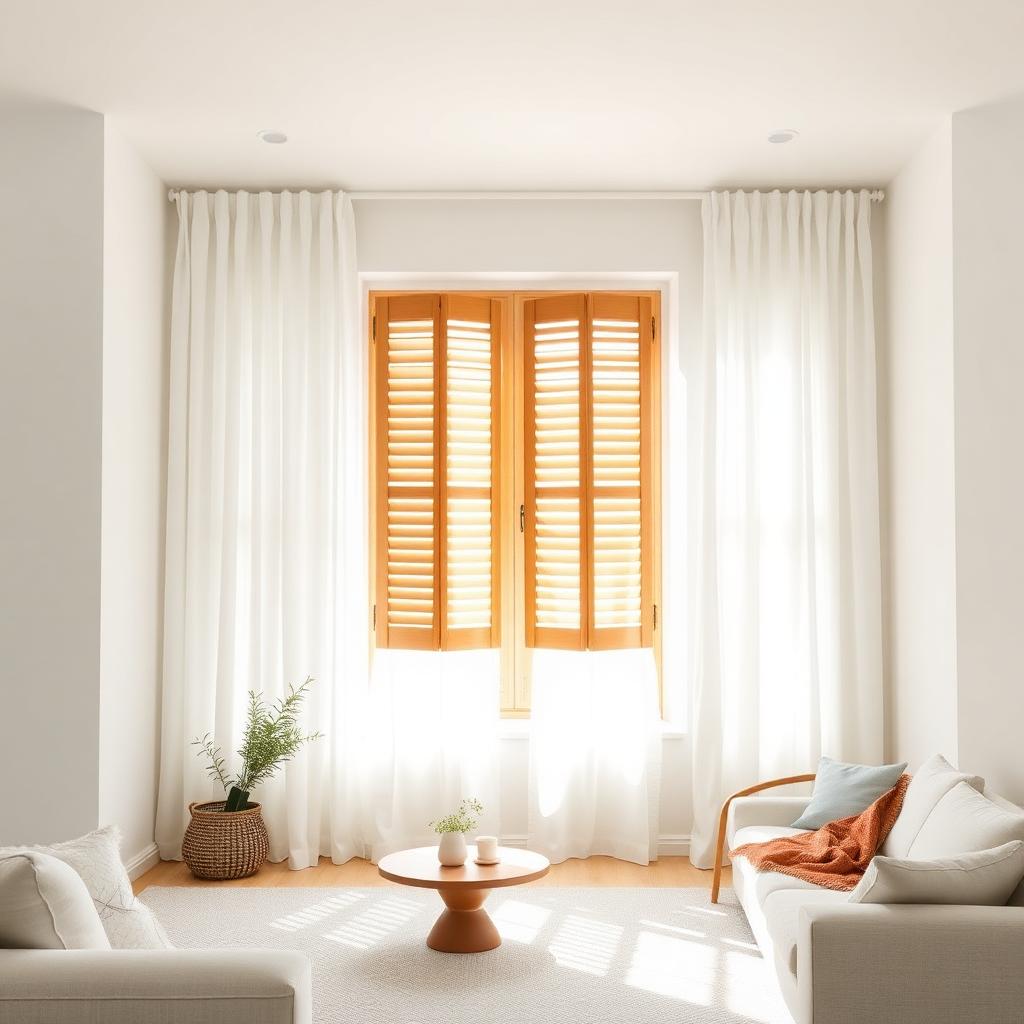
A window treatment is any covering or decorative element installed over, inside, or around a window. The umbrella includes hard treatments (blinds, shutters) made from rigid materials and soft treatments (shades, curtains, drapery) made from fabric.
Their job is three fold: control daylight, protect privacy, and insulate the room. The right pick cuts noticeable energy loss; the US Department of Energy estimates cellular (honeycomb) shades alone can reduce heat loss through windows by up to about 40 percent in winter.
Choose hard treatments where you need precise light control and durability, soft treatments where you want warmth, sound dampening, and total blackout.
Hard window treatments
Hard treatments are built from rigid materials: real wood, faux wood, composite, aluminum, vinyl, or PVC. They are durable, easy to wipe down, and well suited to humid rooms.
Blinds
Blinds have individual slats (called louvers) that tilt open and closed with a cord or wand. Horizontal Venetian blinds are the most common; vertical blinds are typically used on patio doors and floor to ceiling windows.
- Best for: home offices, kitchens, bathrooms, and any room that needs precise glare control.
- Trade off: light leaks between the slats even when closed, so they are not true blackout.
Shutters
Shutters are permanent fixtures mounted to the window frame itself. Plantation shutters use wide louvers (typically 2.5 to 4.5 inches) and have become a near default in high end interiors.
- Best for: front facing windows where curb appeal matters and rooms where you want a built in look.
- Trade off: the most expensive option per window and considered a home improvement, not a furnishing.
Soft window treatments
Soft treatments are fabric based and bring warmth, color, and acoustic softness that hard treatments cannot match.
Shades
A shade is a single continuous panel of fabric that raises and lowers. The main families:
- Roller shades roll onto a tube at the top of the window. Available in light filtering, room darkening, and full blackout fabrics.
- Roman shades fold into neat horizontal pleats when raised. They read as tailored and dressy.
- Cellular (honeycomb) shades have a pleated cross section of hollow air cells that trap air against the glass. They are the energy efficiency champion.
- Woven wood and bamboo shades add organic texture and a casual, coastal feel.
Curtains and drapery
The terms get used interchangeably but they are not the same.
- Curtains are lightweight, often unlined fabric panels. They filter light and add softness.
- Drapery is heavier, lined or interlined, often floor length, and designed to block light completely when closed. Thermal lined drapery improves insulation meaningfully and helps with sound.
The hidden engineering benefit: energy efficiency
Windows are notorious thermal weak spots. According to the US Department of Energy, heat gain and loss through windows is responsible for 25 to 30 percent of residential heating and cooling energy use.
- Cellular shades trap a layer of insulating air between the room and the glass. The DOE estimates they can reduce heat loss through windows by up to 40 percent in winter and reduce unwanted solar heat gain by up to 60 percent in summer.
- Thermal lined drapery can cut heat loss through a window by roughly 10 to 25 percent depending on how tightly it seals at the top, sides, and floor.
- Reflective and white backed roller shades bounce solar radiation back outside, reducing the load on your air conditioner during peak afternoon hours.
Choosing by room
| Room | Best fit | Why |
|---|---|---|
| Bedroom | Cellular blackout shades plus lined drapery | Total darkness and best insulation for sleep. |
| Living room | Roman shades or plantation shutters | Layered light control and a finished architectural look. |
| Kitchen | Faux wood blinds or roller shades | Wipe clean materials handle grease and humidity. |
| Bathroom | Vinyl or composite blinds, top down bottom up shades | Moisture resistant and privacy without losing light. |
| Home office | Horizontal blinds or light filtering rollers | Precise glare control for monitors and video calls. |
| Nursery / home theater | Blackout cellular shades plus blackout drapery | True dark room when you need it. |
How to measure correctly
The single most common mistake homeowners make is mis measuring. Get this right before you order anything.
- Inside mount (treatment sits inside the window frame): measure width at the top, middle, and bottom. Use the narrowest. Measure height on the left, middle, and right; use the longest. Provide exact measurements; the manufacturer will deduct for clearance.
- Outside mount (treatment covers the frame): add at least 1.5 to 2 inches on each side and 2 to 3 inches at the top for light blockage and a finished look.
Safety: cordless is now the standard
As of December 15, 2018, the American National Standards Institute and Window Covering Manufacturers Association updated ANSI/WCMA A100.1 to require that stock window coverings sold in the US and Canada be cordless or have inaccessible cords. The rule was driven by the strangulation hazard cords posed to young children. If your home still has older corded blinds and you have kids or pets, retrofit cordless kits or replace them.
FAQs
What is the difference between a shade and a blind?
A blind has individual slats that tilt. A shade is a single continuous panel of fabric or material that raises and lowers.
Do window treatments really save on energy bills?
Yes, modestly but meaningfully. The DOE estimates that the right treatments (especially cellular shades and thermal drapery) can reduce window related heat loss by 10 to 40 percent. Actual savings depend on your climate, window quality, and how disciplined you are about closing them at night in winter and during peak sun in summer.
Are plantation shutters worth the cost?
For long term homeowners, often yes. They are considered a permanent improvement, can boost resale value, and last for decades. For renters or short term owners, shades or blinds make more financial sense.
Inside mount or outside mount?
Inside mount looks cleaner and shows off the window casing, but requires at least 2 to 3 inches of depth depending on the product. Outside mount makes small windows look bigger and blocks more light, which is ideal for bedrooms.
The takeaway
Window treatments are not just decoration. They are working architectural elements that decide how light, heat, sound, and privacy behave in every room of your house. Pick hard treatments for durability and precision, soft treatments for warmth and total darkness, and combine the two when you want both.