Quick Answer
A sway bar disconnect breaks the mechanical link between the left and right sides of the front suspension, letting each wheel move independently. On a trail, that dramatically increases wheel articulation and keeps all four tires planted. On the highway, you want the sway bar reconnected because it keeps the vehicle from leaning dangerously in corners.
What a sway bar actually does
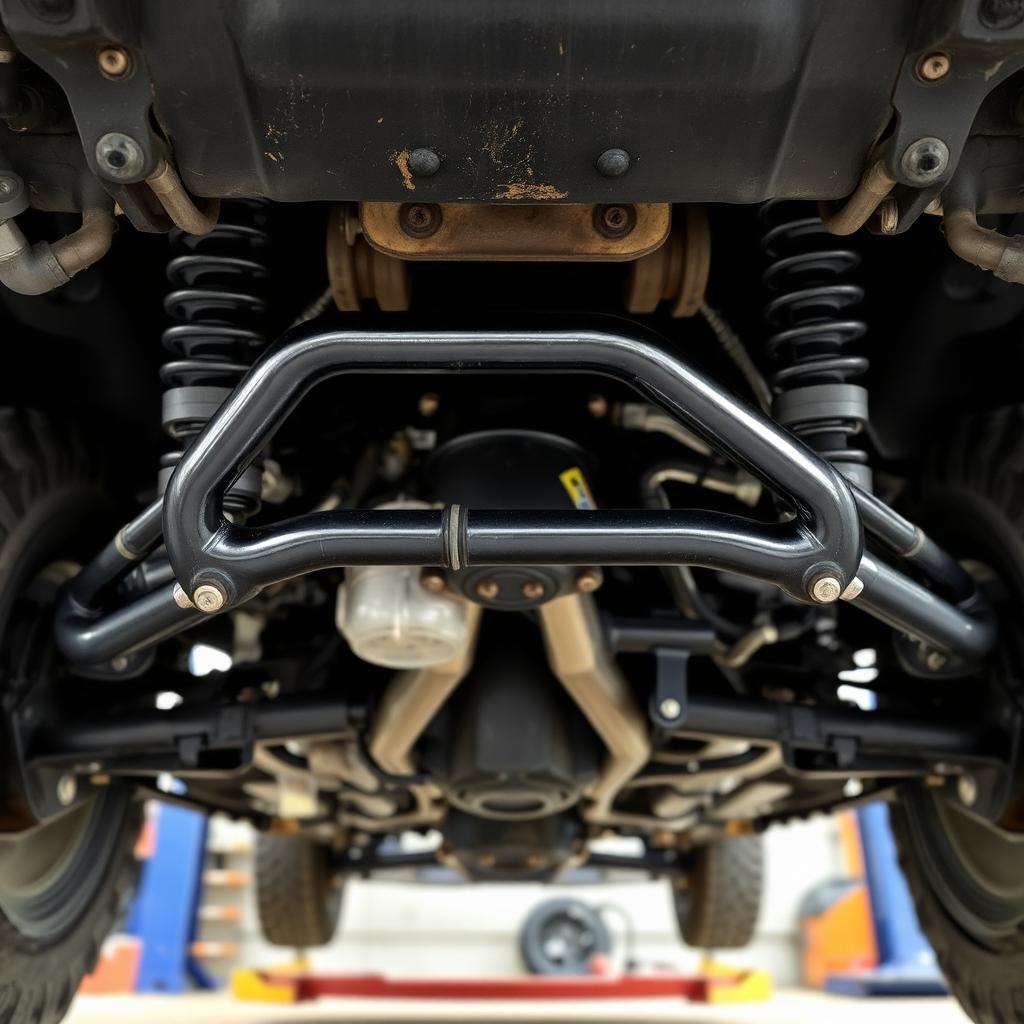
A sway bar (also called an anti-roll bar) is a torsion spring in the shape of a U. It ties the left and right suspension components together through short end links. When one side of the vehicle wants to compress (say, in a hard highway corner) the sway bar resists, transferring some of that force to the opposite side. The net effect is less body roll and flatter, more predictable handling.
On pavement this is a safety feature. Body roll shifts weight, reduces tire contact, and can cause loss of control at speed.
Why it hurts me on a trail
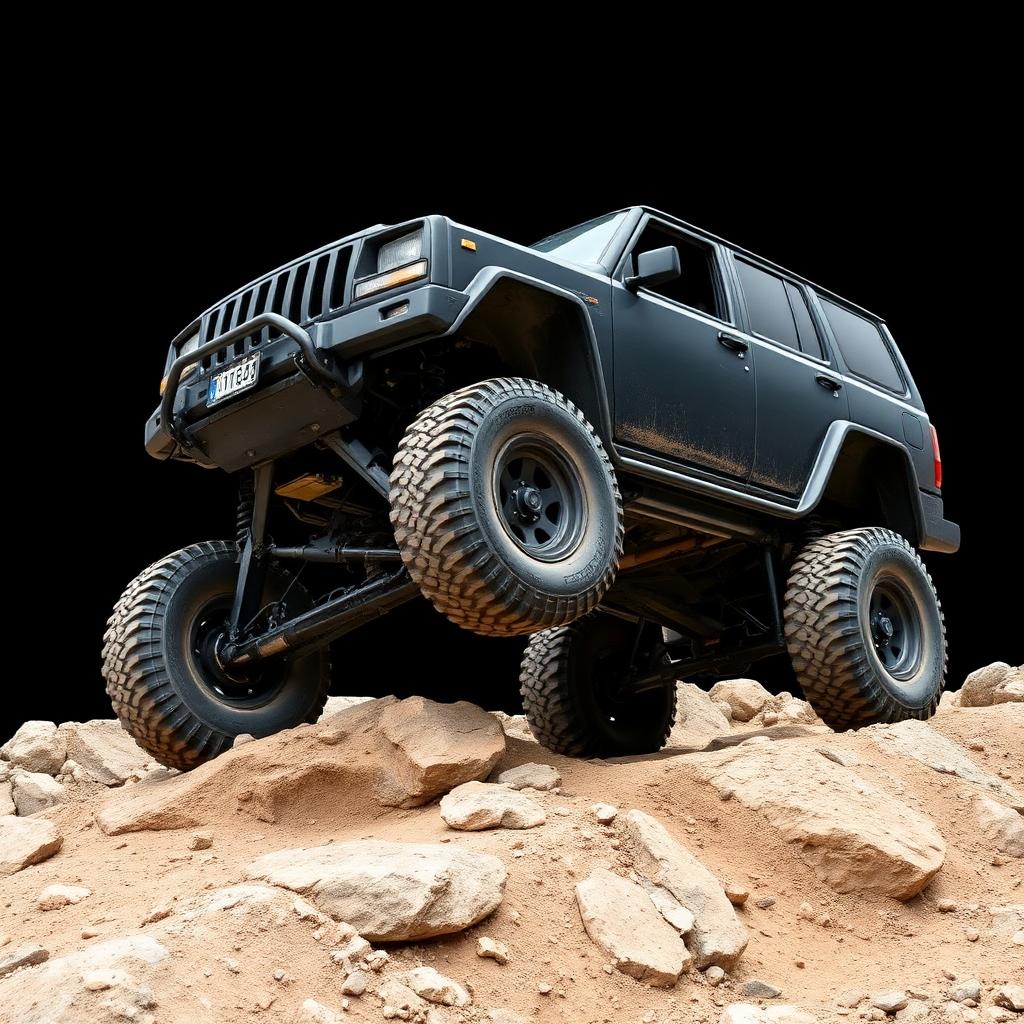
Off pavement, that same stiffness works against me. When my left front tire climbs a boulder, the sway bar tries to pull the right front up with it. That reduces contact patch, unloads a tire that had traction, and makes the whole cabin tilt violently side to side.
What disconnecting changes
With the sway bar disconnected, the front axle behaves like a seesaw. The left tire can compress deep into the wheel well over a rock while the right tire drops into a rut. The benefits:
- Continuous traction: All four tires stay on the ground more often, so I keep moving.
- Stability: Because the suspension absorbs the terrain instead of transferring it side to side, the body stays much more level.
- Comfort: Corrugated dirt and washboard roads feel dramatically smoother.
How disconnection is done
Manual quick disconnects
Aftermarket parts (JKS, Rugged Ridge, and similar) replace the factory end links with hardened linkages held by removable pins. To disconnect, I park on flat ground, pull the pins, and stow the linkage. Cheap, durable, and immune to electronic failure. Downside: I have to get out of the vehicle, sometimes in mud or snow, and re-pinning after articulation can be a wrestling match.
Electronic factory disconnects
Vehicles like the Jeep Wrangler Rubicon, Ram Power Wagon, and Ford Bronco Badlands offer a dashboard button that engages a clutch inside the sway bar itself. Effortless, dry, and warm. Downside: expensive to repair if water or mud contaminates the actuator, and you are one bad sensor away from losing the feature.
The safety rules I follow
- Off pavement, slow speeds only. Disconnect the sway bar only after leaving the road and going under about 15 to 20 mph.
- Reconnect before returning to pavement. On dirt fire roads and highways, I want the bar back. Even a mild highway lane change with a disconnected sway bar feels alarming.
- Trust the speed guardrails. Factory electronic systems automatically re-engage above roughly 18 mph (Wrangler) or a similar threshold, exactly to protect the driver from a high-speed roll.
- Reconnect after articulation events. If I flexed the axle hard, the linkage may not line up until I level the wheels. Rolling forward or backward a few feet usually solves it.
Bottom line
A sway bar disconnect is the single easiest way to transform a stiff SUV into a supple trail machine. It keeps my tires on the ground, keeps the cabin level, and makes rough terrain far more comfortable. Use it off pavement, at slow speeds, and reconnect the moment I get back on the road.
Common questions about sway bar disconnects
Can I add a sway bar disconnect to any 4x4?
Almost any solid-axle vehicle can accept aftermarket quick disconnects. Independent front suspension (IFS) trucks like the Toyota Tacoma and Ford F-150 are more complicated because the sway bar geometry is tied to control arm movement, so aftermarket electronic disconnects for IFS are rarer and more expensive.
Does disconnecting the sway bar damage anything?
Not if you do it correctly. Slow speeds off pavement are perfectly safe. The failure mode is disconnecting the bar and then driving fast, which puts unusual load on ball joints and control arm bushings and, more importantly, dramatically increases rollover risk in a lane change.
Do I need a rear sway bar disconnect too?
Almost no factory 4x4 offers one, and few aftermarket ones exist, because rear axles articulate far more freely thanks to longer wheelbase geometry. The front is where the disconnect pays off. Rear articulation is usually addressed with longer shocks and different spring rates.
What if my electronic disconnect will not engage?
The most common causes are the wheels being cross-loaded (axle twisted), speed above the reconnect threshold, or a fault code in the system. Roll forward on level ground to un-load the axle, slow down, and try again. If it still refuses, check the dashboard for a "Sway Bar" warning and pull the code.
Is a sway bar disconnect worth the money?
If you off-road more than a few times a year, absolutely. It is the single biggest jump in articulation and comfort you can make short of installing long-travel suspension, and it costs a fraction as much.