Quick Answer
Truly waterproof flooring (water cannot penetrate the surface or the seams) is limited to porcelain and ceramic tile with epoxy or sealed grout, sheet vinyl with welded seams, rigid-core SPC and WPC luxury vinyl plank, rubber flooring, and sealed polished concrete.
"Water-resistant" is a different category. It means the surface repels water for hours but is not designed for standing water. Laminate marketed as waterproof is usually only water-resistant by the trade definition.
What "Waterproof" Means in Flooring
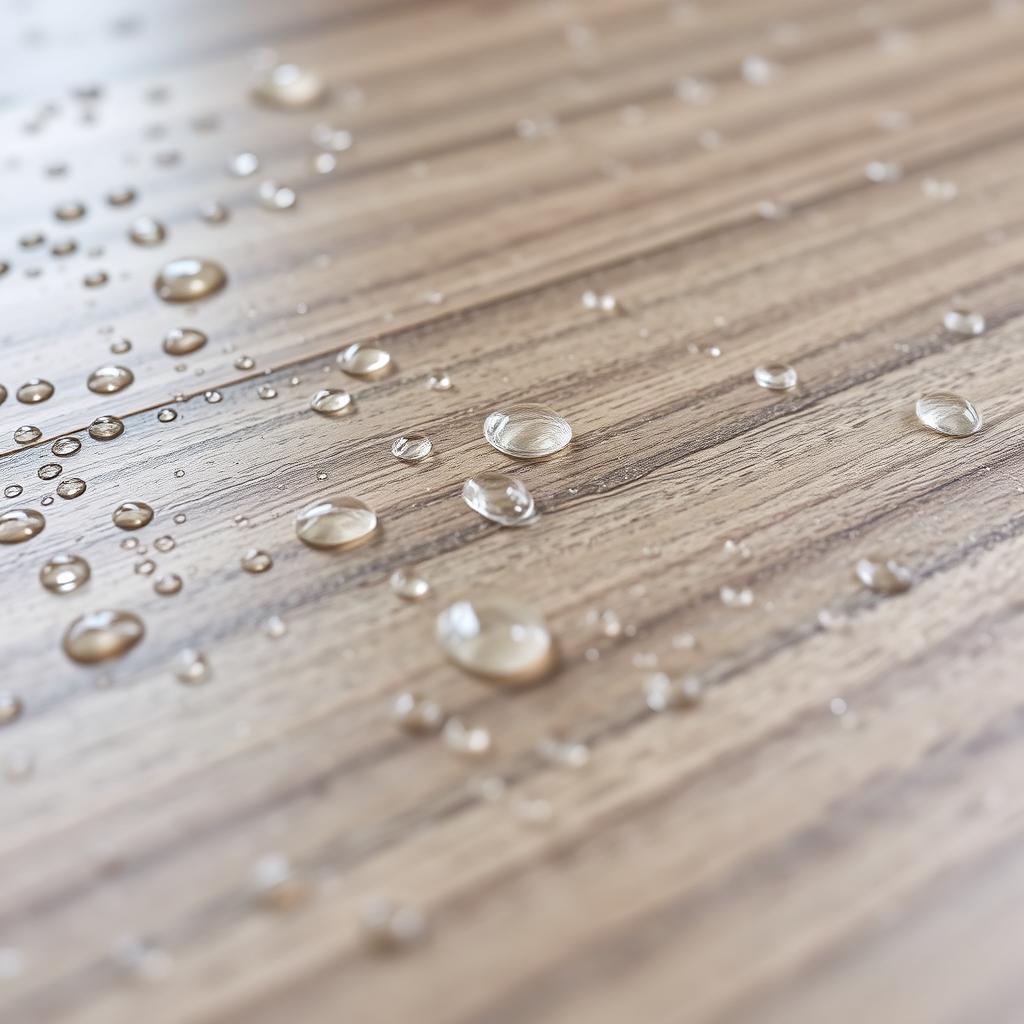
The flooring industry uses two terms loosely, and the difference matters when you have a leak.
- Waterproof. Water cannot damage the material even under prolonged standing exposure. The core, the wear layer, and the seams are all impervious.
- Water-resistant. Water beads on the surface and can sit for hours without damage, but extended standing water (overnight or longer) will eventually penetrate.
Genuinely Waterproof Flooring
Porcelain and Ceramic Tile
Porcelain has a 0.5 percent or lower water absorption rating (ANSI A137.1). Ceramic is slightly higher but still considered impervious in most installations. Grout is the weak point, use epoxy grout in showers or seal cement grout annually.
Sheet Vinyl with Welded Seams
Hospitals and commercial kitchens use heat-welded sheet vinyl because the seams are fused into a single continuous surface. Residential sheet vinyl with simple overlap seams is less waterproof at the joints.
Rigid-Core Luxury Vinyl Plank (SPC and WPC)
The wear layer and core are 100 percent waterproof. The click-lock seams are tight but not welded, so for full bathrooms with floor drains, manufacturers recommend a glue-down install with seam sealer for true watertightness.
Rubber Flooring
Solid rubber tiles and rolls are waterproof and commonly used in gyms and commercial kitchens.
Polished and Sealed Concrete
A concrete slab sealed with a penetrating epoxy or polyurethane finish is fully waterproof, the basis of most modern basement and garage floors.
Water-Resistant Only
- Most laminate. Even "waterproof" laminate from major brands is rated for surface spills, not standing water at the seams.
- Engineered hardwood. The plywood core resists moisture better than solid wood but is not impervious.
- Cork with a urethane finish. Resists splashes, not standing water.
- Bamboo. Surface-sealed but the core swells.
Not Waterproof
- Solid hardwood. Cups and stains.
- Carpet. Holds water and grows mold.
- Standard MDF or particle-board cores in low-cost flooring.
What Counts as a Leak
For warranty purposes, most "waterproof" floors are warrantied against surface water for 24 to 72 hours. A dishwasher leak that goes unnoticed for a week voids most warranties even on rated waterproof products.
The Seam Is the Story
Most waterproof failures happen at seams, transitions, and around fixtures (toilets, tubs, floor drains). A waterproof plank with a click seam is fine for splashes but should be glue-down installed in any room with a floor drain.
Best Choices by Room
- Full bathroom (with shower): porcelain tile, glue-down sheet vinyl with welded seams.
- Half bath / powder room: SPC vinyl plank, porcelain tile.
- Kitchen: SPC vinyl plank, porcelain tile.
- Basement: SPC vinyl plank, sealed concrete.
- Laundry / mudroom: porcelain tile, SPC vinyl plank.
- Outdoor covered patio: porcelain tile rated for exterior use.
Bottom Line
Genuinely waterproof flooring is porcelain tile, sheet vinyl with welded seams, rigid-core SPC and WPC vinyl plank, rubber, and sealed concrete. Laminate, engineered hardwood and most "water-resistant" products survive splashes but not standing water. Match the floor to the worst-case leak in the room, not the best-case spill.
FAQ: What Flooring Is Waterproof?
What flooring is waterproof and looks like wood?
SPC luxury vinyl plank. Modern printed wear layers replicate oak, walnut, and hickory convincingly enough to fool most visitors.
What flooring is waterproof and looks like tile?
Porcelain tile (the original waterproof tile look) and SPC vinyl tile printed with stone or ceramic patterns.
Is waterproof laminate actually waterproof?
Most "waterproof" laminate is rated for surface spills of 24 to 72 hours. It is not equivalent to vinyl or tile in standing-water situations.
What flooring is waterproof for outdoor covered patios?
Porcelain tile rated for exterior use, or composite decking. Residential LVP is not rated for outdoor temperatures.
What flooring is waterproof and easiest to install?
Click-lock SPC vinyl plank. Floats over almost any subfloor and snaps together without glue.
What flooring is waterproof and softest underfoot?
WPC luxury vinyl plank or cork with a urethane waterproof coating.
Is waterproof flooring really 100 percent waterproof at the seams?
The plank itself is, but click seams are not welded. For wet rooms with floor drains, manufacturers recommend a glue-down install with seam sealer to make the seams truly watertight.
What flooring is waterproof and refinishable?
None. Tile can be re-grouted, but you cannot refinish vinyl, tile, or sealed concrete the way you would refinish hardwood.
How to Verify a Waterproof Claim
Read the warranty before you buy. A real waterproof rating covers standing water for at least 24 to 72 hours and is honored without conditions. A "water-resistant" rating typically requires the spill to be wiped within hours. The difference shows up the next time a dishwasher hose pops at 3 a.m. and no one notices until morning.