Quick Answer
Off-roading means operating a vehicle on surfaces that are not paved or formally maintained: dirt tracks, forest roads, rock trails, dunes, and snow. The modern meaning goes further than "not asphalt." It is the deliberate pursuit of terrain that tests both the machine and the driver's problem-solving.
Inside the community, off-roading splits into distinct disciplines with different rigs, skills, and etiquette. Understanding those categories helps a beginner buy the right gear and avoid the wrong trail.
The literal definition
At the plain-English level, off-roading is any recreational or utility driving that happens off public paved roads. Forest service roads, jeep trails, dry washes, sand beaches, ice roads, and open desert all count. The vehicle can be a truck, an SUV, a UTV, an ATV, a dirt bike, or a purpose-built buggy.
The disciplines inside off-roading
1. Trail riding
Trail riding is the entry point. I drive established unpaved routes, usually forest service roads or state park OHV trails. Difficulty ranges from smooth dirt any AWD crossover can handle up to rutted, washed-out tracks that demand a proper 4x4. The goal is recreation, scenery, and reaching remote spots for hiking, fishing, or camping.
2. Rock crawling
Rock crawling is a slow-speed, highly technical discipline where I pick lines through boulder fields, ledges, and deep rock ruts. It is closer to a chess match than a race. Rock crawling rigs use ultra-low crawl ratios, huge tire flex, front and rear lockers, and a spotter outside the vehicle guiding the driver.
3. Mudding
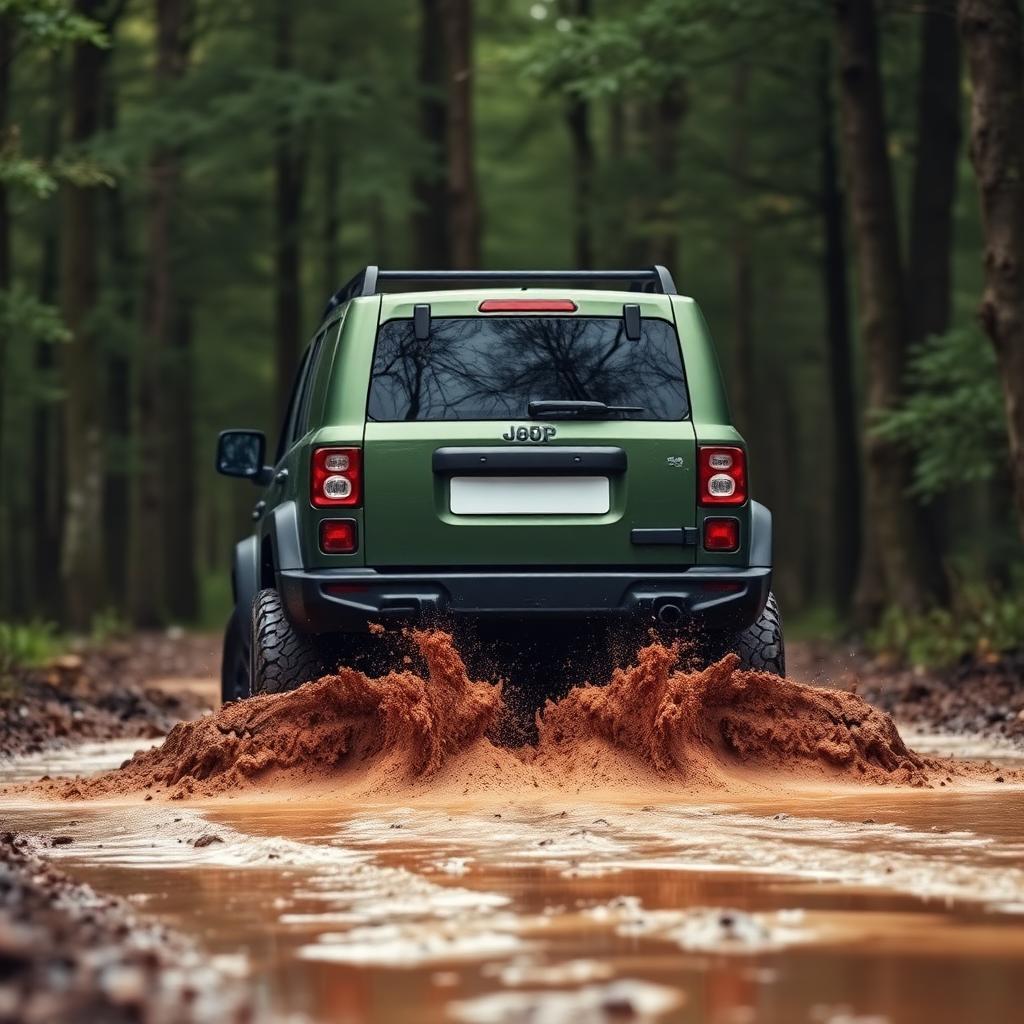
Mudding is centered on wet, slick mud pits and marshes. Momentum matters more than finesse. Vehicles run deep-lug mud-terrain tires, snorkel intakes, and sealed axle breathers so water and silt do not enter vital components.
4. Sand dunes and desert riding
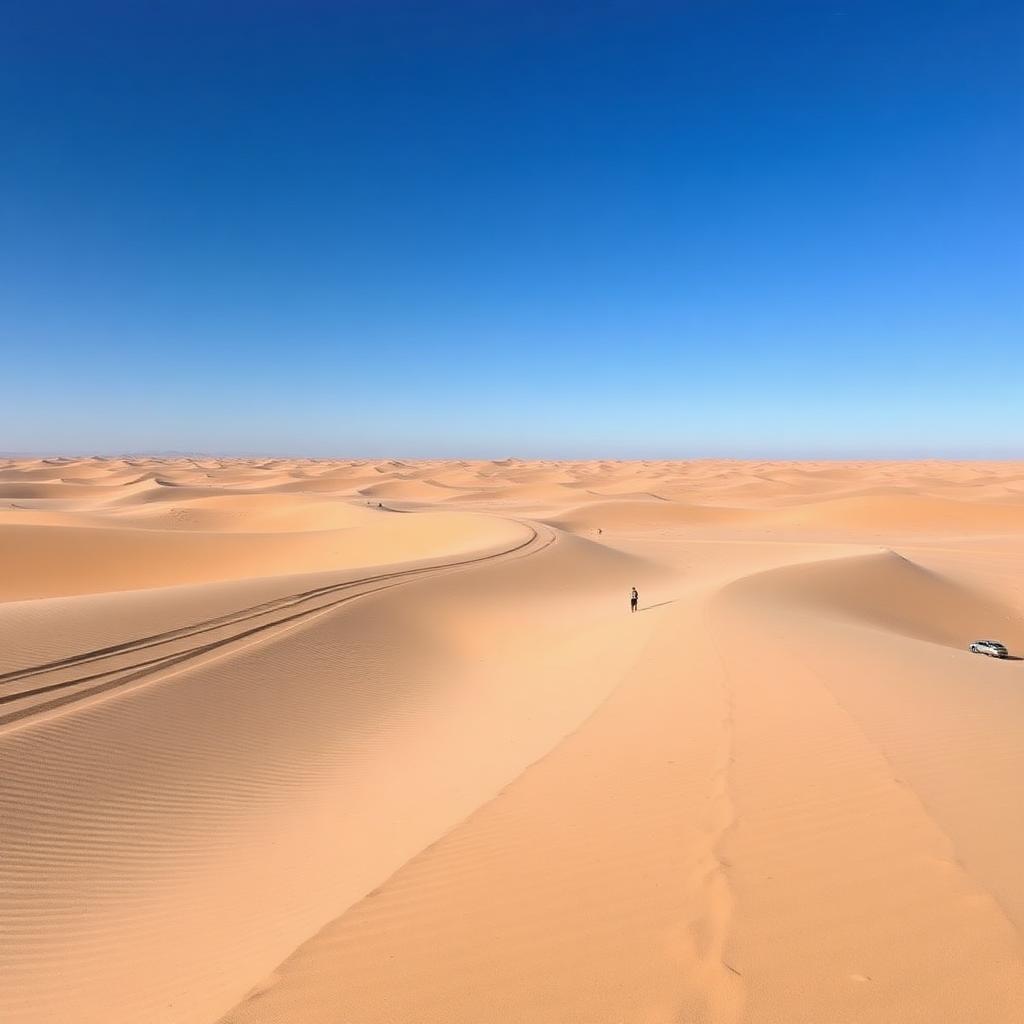
Sand and open desert require speed, sustained momentum, and lower tire pressures (often 10 to 15 psi) so the tire spreads into a wide contact patch. Desert riding rewards long-travel suspension and horsepower more than crawl ratios.
The Tread Lightly ethic
Off-roading only survives when the community protects the land it uses. In the United States, the guiding framework is Tread Lightly!, echoed by Leave No Trace principles among hikers and campers. The core rules I follow on every trip:
- Stay on designated routes. New tracks destroy topsoil, plants, and cryptobiotic crust that can take decades to recover.
- Yield to hikers, bikers, and horses. Motorized users usually give ground first.
- Check land-use rules before I go. BLM, USFS, state parks, and private OHV parks all have different rules on street-legal vehicles, sound limits, and permits.
- Pack out everything. Trash, spilled oil, and abandoned recovery gear kill trail access faster than any regulator.
- Skip sensitive terrain. Wetlands, meadows, and archaeological sites are off-limits, full stop.
Vehicle types by discipline
| Discipline | Typical vehicle | Key equipment |
|---|---|---|
| Trail riding | Stock 4x4 SUV or truck | All-terrain tires, recovery straps |
| Rock crawling | Highly modified Jeep, buggy | Lockers, low-range gears, sliders |
| Mudding | Lifted truck or side-by-side | Mud-terrain tires, snorkel, winch |
| Dunes and desert | UTV, prerunner truck | Long-travel suspension, deflator, whip flag |
Bottom line
Off-roading is not "spinning tires in the dirt." It is a family of related outdoor sports, each with its own vehicle setup, driving skill, and etiquette. The common thread is deliberately choosing terrain that challenges both driver and machine, and then respecting the land enough that the trail is still there next season.
What does off-roading actually mean in daily use?
When I explain what off-roading actually mean to a new driver, I frame it as intent plus terrain. You are choosing to leave paved, maintained surfaces on purpose, in a vehicle built for it, with a plan for how to get out again. A wrong turn onto a fire road in a rental sedan is not off-roading, it is a mistake. Booking a weekend on a rated OHV trail with a properly equipped 4x4 is.
Do I need a permit or license to off-road?
In the United States, most Bureau of Land Management (BLM) and Forest Service trails are free but may require a vehicle to have a green sticker, an OHV decal, or a spark arrestor. State parks and private off-road parks usually charge day-use fees. Always check the specific ranger district or park website before you tow the rig out.
What is the safest way to start off-roading?
Join a local club or take a paid off-road school. Groups like Overland Expo, I4WDTA-certified trainers, and Jeep Jamboree events teach spotting, tire airing down, recovery, and self-recovery in a controlled environment. The two hundred dollars a beginner class costs is far cheaper than one bad recovery decision on a real trail.
Is off-roading bad for the environment?
Uncontrolled off-roading is destructive. Responsible off-roading, on designated legal routes, is one of the more sustainable ways to see remote country because the impact stays contained to an existing track. Tread Lightly and Leave No Trace exist because the community understands access is one bad season of trash and cut trails away from being taken away.