Quick Answer
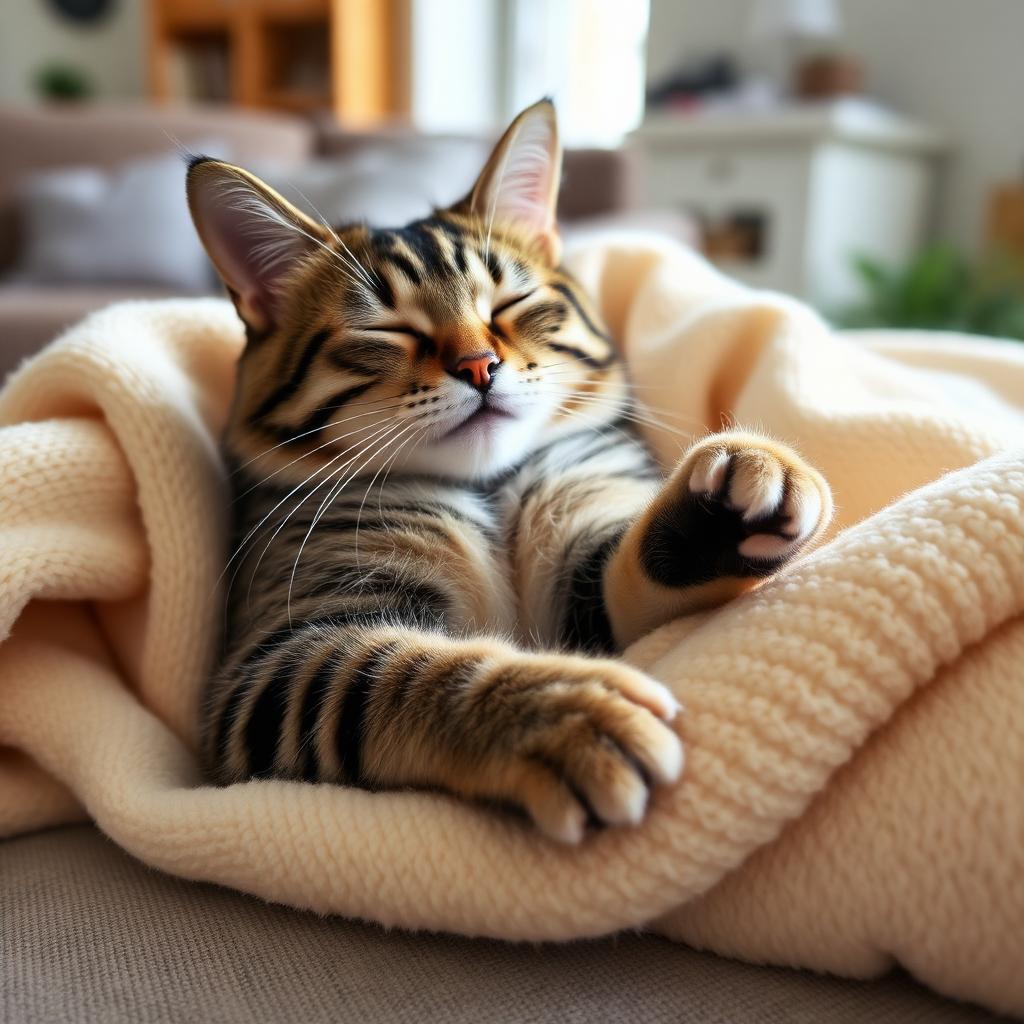
When a cat makes biscuits, it is rhythmically pressing its front paws into a soft surface in alternating motions. The behaviour, properly called kneading, is rooted in nursing instinct from kittenhood. Kittens knead around their mother to stimulate milk flow, and adult cats carry the gesture into maturity as a sign of comfort, trust, and territorial scent marking.
A kneading cat is almost always relaxed and content. Cats also have scent glands between their paw pads, so the action quietly deposits their personal scent on the blanket, sofa, or person beneath them, claiming that spot as part of their safe territory.
If your cat purrs while kneading, that is the highest comfort signal a domestic cat gives. It is the feline equivalent of curling up with a hot drink and a good book.
The science behind kneading
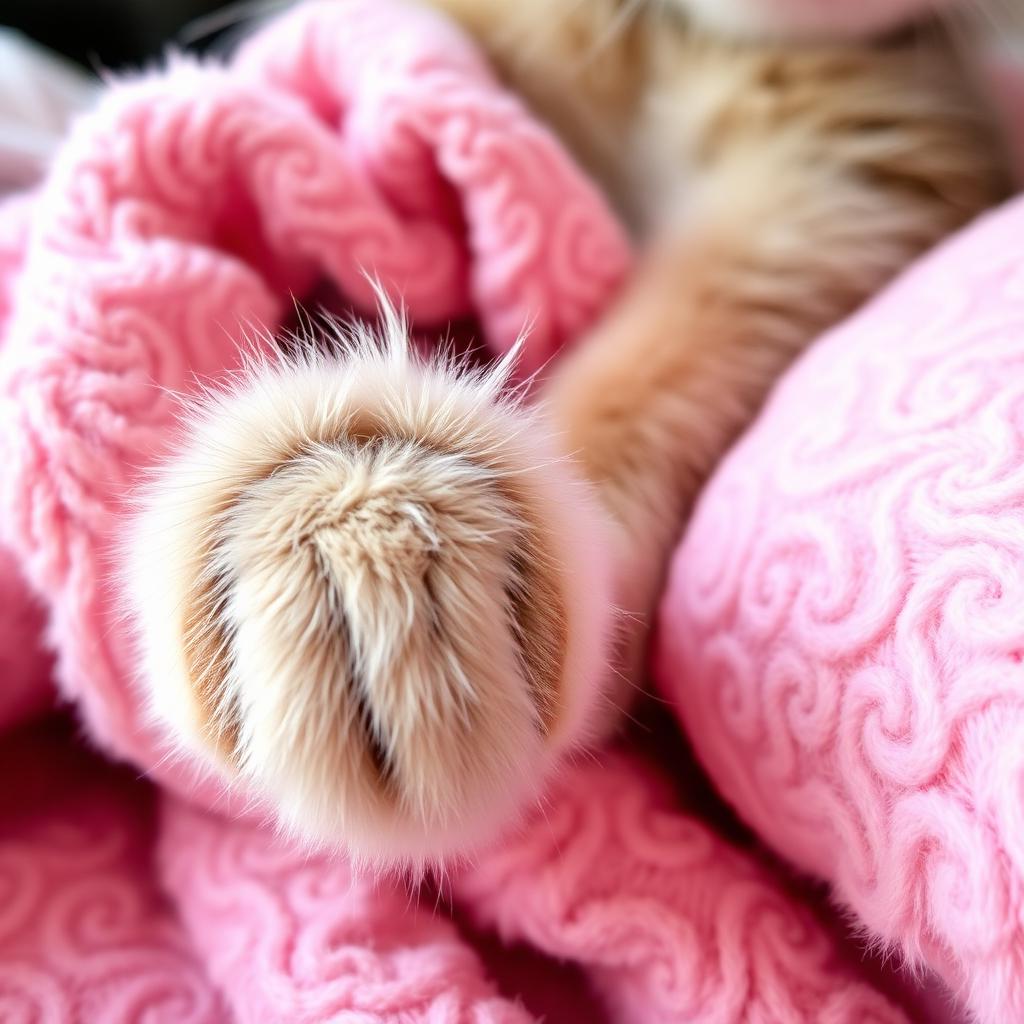
Kneading is a vestigial behaviour, meaning it is left over from a developmental stage and no longer essential. Newborn kittens cannot see well for the first 10 to 14 days, so they locate the mother by warmth and scent, then push their tiny paws against her mammary glands in a left right rhythm to encourage milk let down. The action triggers oxytocin release in the mother and a calming reward loop in the kitten.
That reward loop is the key part. The brain links kneading to safety, warmth, and being fed. Even years later, the same motion still triggers the same calming hormonal response, which is why adult cats often knead before they settle in to sleep.
The three main reasons cats knead
- Comfort and self soothing. The nursing memory creates a calm state. Cats often knead when they are about to fall asleep, similar to a person fluffing a pillow.
- Scent marking. Interdigital scent glands between the toe pads release pheromones that humans cannot smell. Kneading deposits these pheromones onto whatever surface the cat is pressing into.
- Territorial claim. The combined motion and scent marks the spot as the cat's. A cat kneading on your lap is essentially saying that lap belongs to them now.
Why some cats use claws and others do not
Claws extending during kneading is normal. Cats can partially extend and retract their claws in rhythm with the kneading motion. Cats raised closer to their mother for the full 8 to 10 week weaning period often have softer kneading style. Cats weaned early, around 4 to 5 weeks, sometimes knead more intensely and with more claw, possibly as compensation for the shortened nursing window.
If your cat's claws hurt during kneading, slide a folded thick blanket between you and the paws. Punishing the behaviour breaks the trust signal and is not recommended. Keeping claws trimmed every 3 to 4 weeks helps too.
Does kneading mean a cat is happy
Almost always yes. Kneading paired with purring, half closed eyes, and a relaxed body posture is the clearest comfort signal cats give. The rare exceptions are stressed cats who knead frantically while displaying flattened ears or a flicking tail, which is a self soothing response to anxiety rather than contentment.
Common surfaces cats prefer for kneading
- Soft thick blankets, especially wool or fleece.
- Folded laundry, particularly anything carrying a familiar scent.
- Cat beds with raised edges.
- Human laps and stomachs.
- Other friendly cats.
The common thread is softness and warmth. Hard surfaces almost never trigger the behaviour.
Should you stop a cat from kneading
No. Kneading is healthy emotional behaviour and an important part of how cats communicate trust. Stopping it can damage the bond. If the location is inconvenient, gently redirect the cat to a folded blanket nearby rather than pushing them away entirely.
When kneading might signal a problem
- Sudden compulsive kneading. Kneading for long stretches with apparent agitation can signal stress or pain.
- Kneading paired with excessive grooming. May indicate anxiety.
- New onset kneading in a senior cat. Worth a vet check to rule out cognitive changes.
- Kneading combined with vocalising and pacing. In unspayed females, this can be a sign of being in heat.
Wool sucking and the rare related behaviour
Some cats, especially Siamese and Burmese breeds, pair kneading with sucking on a soft fabric. This is more common in cats weaned too early and is usually harmless, but if the cat is ingesting fibres, redirect them to a knead safe blanket they cannot swallow.
How to enjoy the moment
If your cat kneads on you, stay still. Sudden movement can break the spell. Speak softly. Slow blink at them, which cats interpret as a friendly signal. Let the session end on the cat's terms. You are being told, in the strongest feline language available, that you are a trusted part of their world.
Frequently asked questions
Do male cats knead as much as female cats?
Yes. Kneading is not sex linked. Both kneed equally as adults.
Do all cats knead?
Most do, but some cats knead rarely or not at all. The absence of kneading is not a sign of unhappiness.
Why does my cat drool while kneading?
Drooling during kneading is another nursing memory. It is the most relaxed state a cat reaches and is considered a sign of deep contentment.
Can I teach my cat to knead a specific blanket?
Yes. Place the blanket where the cat already chooses to settle. Rub it lightly with a small amount of their bedding scent. Cats often adopt the new surface within a week.