Quick Answer
A locking differential forces both wheels on an axle to spin at the same speed, no matter which one has traction. That overrides the normal "path of least resistance" behavior of an open differential and stops one spinning tire from ending the day.
On real trails, it is the single most effective traction upgrade a 4x4 can have.
Start with the problem: the open differential
A standard "open" differential lets the two wheels on the same axle spin at different speeds. That is exactly what I want in a corner on pavement, because the outside wheel has to travel a longer path than the inside wheel. Without a differential, the tires would scrub and skip.
Why the open diff fails off-road
An open differential sends power to the path of least resistance. On the highway that is invisible. On a rocky trail, if my left front tire lifts into the air and my right front is planted on granite, the open diff sends nearly all torque to the airborne tire. It spins, the grounded tire receives almost nothing, and I stop moving.
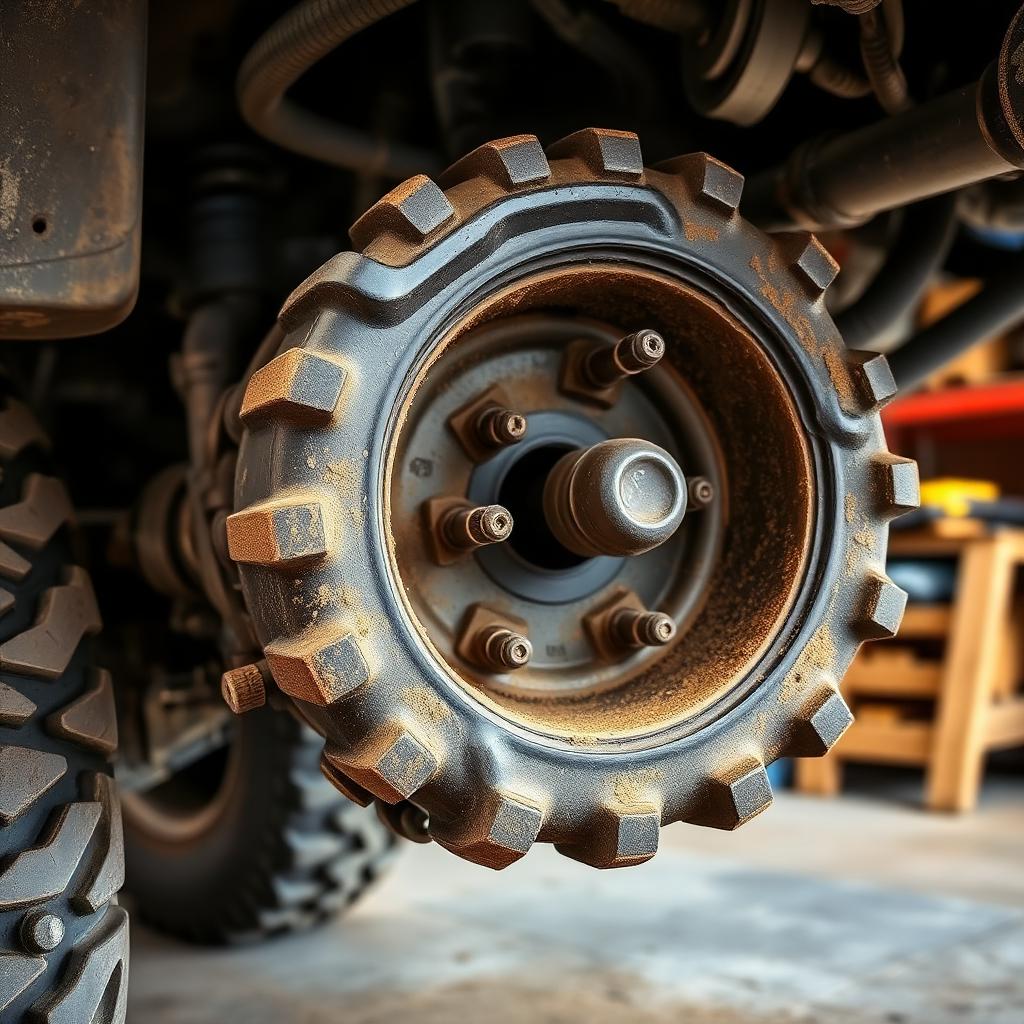
What a locking differential actually does
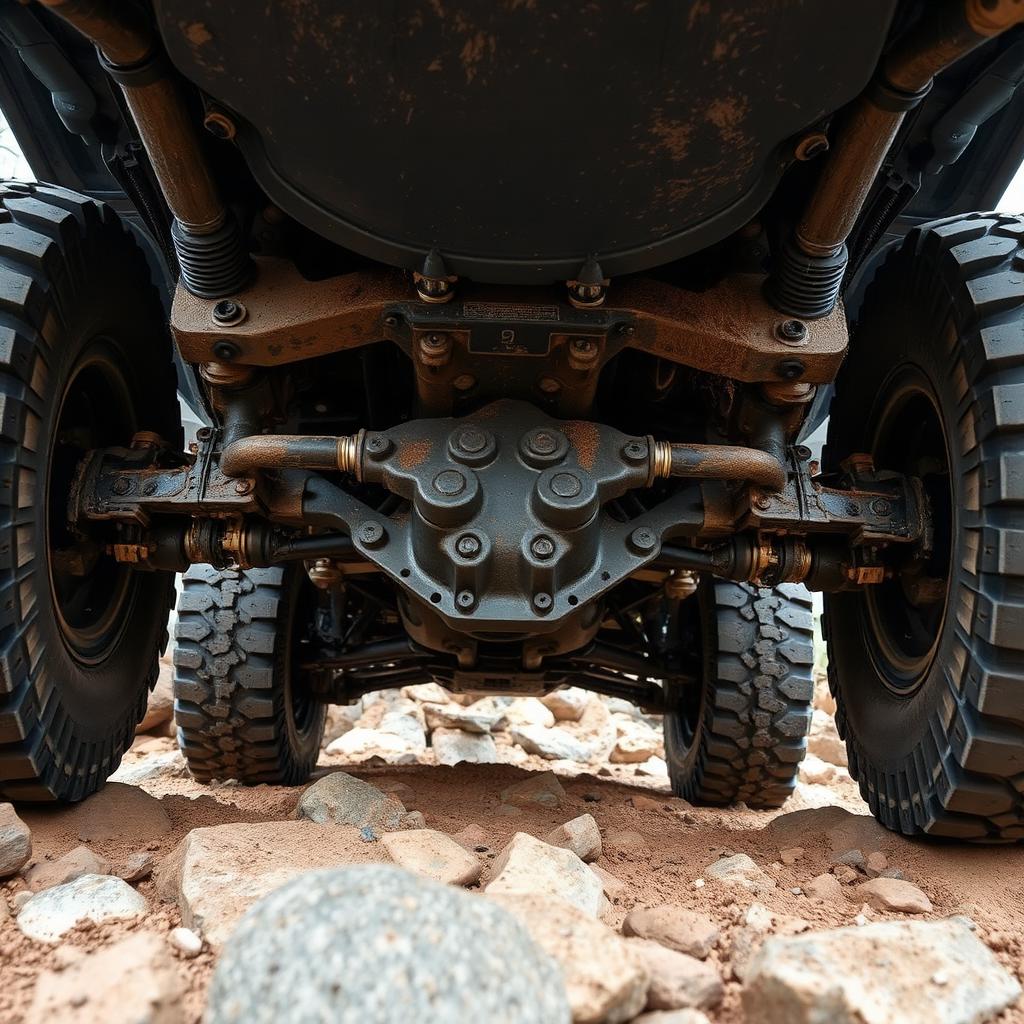
A locking differential mechanically ties the two axle shafts together inside the diff housing. When engaged, both wheels on that axle rotate at the exact same speed, receiving equal torque. As long as one wheel on the locked axle has grip, the truck moves.
The main types of lockers
Selectable lockers (manual, electronic, or air)
Selectable lockers behave like a normal open diff until I flip a switch. Then a solenoid or pneumatic actuator locks the axle. The most common flavors:
- E-Locker: Electric solenoid engages the locker. Standard on Toyota Tacoma TRD Off-Road, 4Runner TRD Off-Road, and factory Wrangler Rubicon.
- Air Locker: An onboard compressor sends air to lock the diff. ARB Air Lockers are the most well-known aftermarket example.
Automatic (mechanical) lockers
Automatic lockers stay engaged whenever power is applied. In corners under light throttle, internal ratchet or spring mechanisms let the outside wheel unlock and catch up. They are durable and simple, but they cause characteristic clunks and can make on-road driving unpredictable. Detroit Locker is the classic example.
Limited-slip differentials (LSDs)
Technically not lockers. LSDs use clutch packs, gears, or viscous fluid to send some torque to the wheel with more grip. Better than open, weaker than a real locker.
When to engage a locker (and when not to)
- Straight lines first. Front lockers force both steering tires to spin at the same speed, which makes the wheel very heavy and puts high load on front CV or U-joints. I only engage the front locker in nearly straight lines.
- Engage before the obstacle, not after. Stop, shift to 4-Low, engage the locker, then drive through slowly. Waiting until I am already spinning damages parts and buries the tire.
- Rear before front. If I have both, the rear locker alone solves most trail situations without messing with steering feel. Only add the front locker when the rear alone cannot pull me through.
- Disengage on pavement. Selectable lockers must be off on hard surfaces to avoid binding and tire scrub.
Bottom line
A locking differential is the traction equalizer. It converts your drivetrain from "guess which wheel to power" into a stubborn mechanical link that forces both wheels to drive together. For technical trails, rock crawling, and deep mud, no single upgrade matters more.
Common questions about locking differentials
Should I get a front or rear locker first?
Rear, almost always. A rear locker solves the majority of trail problems without affecting steering. Front lockers are a specialty upgrade for rock crawling and steep climbs where the rear alone is not enough. Adding a front locker without a rear is rarely the right call.
Do lockers hurt fuel economy?
Selectable lockers are invisible when off, so no. Automatic mechanical lockers add small ratcheting losses and can hurt economy by roughly one to two mpg in mixed driving. Limited-slip differentials sit between the two.
Can I add a locker to any 4x4?
Most common axles (Dana 30, Dana 44, Dana 60, Toyota 8-inch, GM 10-bolt, Ford 8.8) have aftermarket locker options. Some captive-carrier or IFS front axles are much harder or impossible to fit with a true locker, which is why full-floating solid axles remain the trail standard.
What is the difference between a locker and a spool?
A spool permanently locks the two axle shafts together, always. There is no unlock, ever. Spools are found only on race and dedicated rock crawler axles because they make road driving miserable and hard on tires.
Do I still need low range if I have lockers?
Yes. Low range multiplies torque and slows the vehicle down so you can crawl obstacles under control. Lockers manage traction. They are complementary tools, not substitutes.