Quick Answer
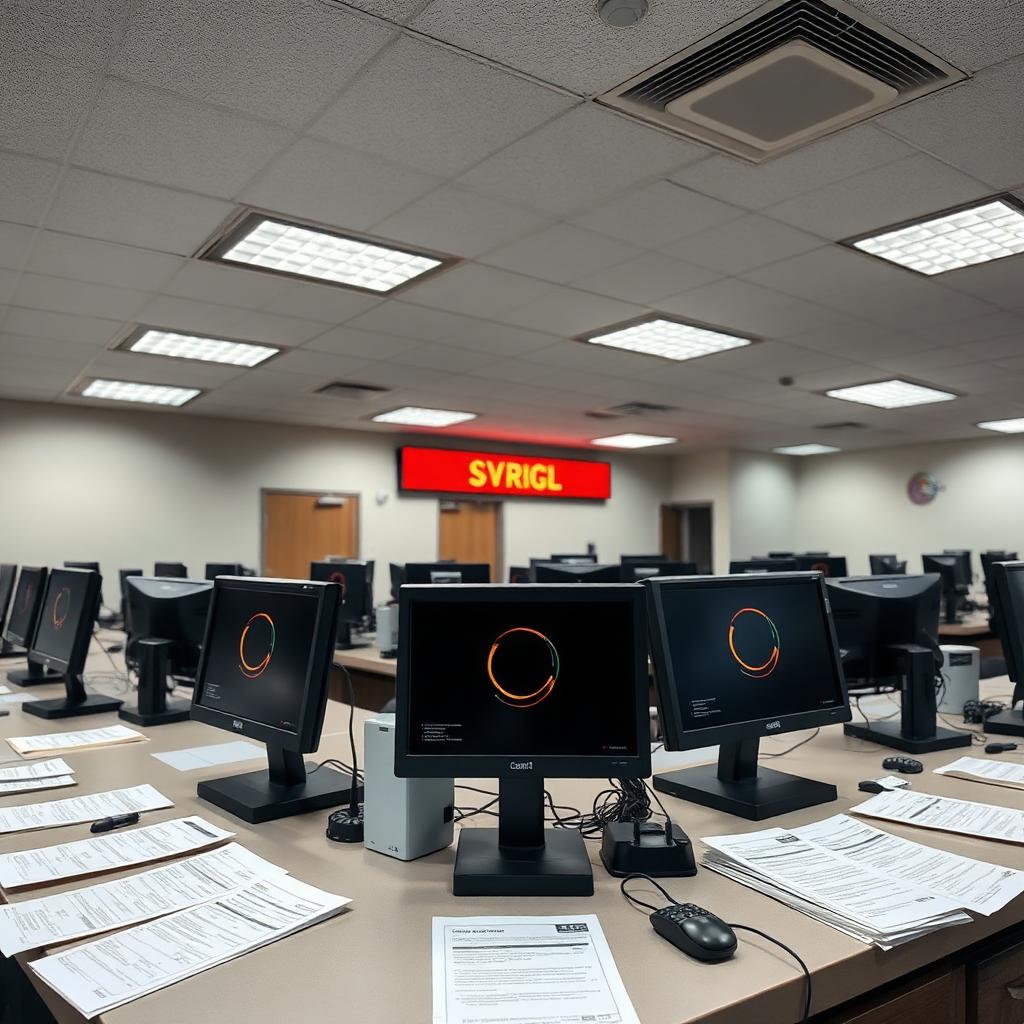
On Tuesday, May 26, 2026, a statewide network failure hit the California Department of Motor Vehicles (DMV) in the afternoon. Field offices lost their real-time link to the central mainframe, which meant driver license and identification card transactions could not be processed across the state. Drive tests and a limited set of paper forms continued, but most counter work paused for several hours until the network was stabilised and core databases were restored.
The fastest workarounds during a DMV outage are the mobile driver license (mDL) in Apple Wallet or Samsung Wallet, the standalone DMV Now Kiosks hosted at supermarkets, and the online portal at dmv.ca.gov. All three run on infrastructure that is at least partly isolated from the main field office network.
What Actually Went Down
The outage hit during one of the busiest mid-week windows of the month. According to the DMV's public statements, the disruption was a core network failure that cut field offices off from the centralised processing mainframe. Without that link, the workstations at every counter could not validate identity records, print physical licenses or IDs, or submit new transactions to the system of record.
The agency confirmed in a public update that staff were assisting customers with forms, online transactions, and drive tests while engineers worked to resolve the issue. After several hours of partial standstill, the network stabilised and field offices returned to normal processing by late afternoon.
What was not affected: the mobile driver license program, the online renewal portal, and the standalone DMV Now Kiosk network. Those run on separate transaction paths, which is exactly why they kept working.
Why Public Tech Infrastructure Is So Fragile
The California DMV handles records for more than 30 million drivers. That is one of the largest single-state identity databases in the United States. The core platform that runs it has been incrementally modernised on top of legacy mainframe layers that date back decades.
Two structural realities make outages inevitable in systems like this:
- Tight coupling. Most counter workstations talk to the central mainframe in real time for every transaction. When the central link drops, every field office freezes simultaneously.
- Long modernisation cycles. Replacing a system that processes tens of millions of transactions a year without downtime is a multi-year project. New layers get added on top of older ones, and any single component in the stack can take the whole chain down.
The economic ripple of a single-day outage is significant. Commercial driver licence transactions stall freight operations. Ordinary renewals push into the next week and compound queue length. Field offices end the week with backlogs that take days to clear.
How to Route Around the Next Outage
California has been quietly building three parallel channels that survive most central network problems. If you know they exist, the next outage is closer to a 10 minute detour than a wasted afternoon.
1. Mobile Driver License (mDL)
California has expanded its mobile driver license pilot to both Apple Wallet and Samsung Wallet. Once provisioned, your mDL lives in the wallet on your phone, signed by the DMV. It is accepted by TSA at many airports and by an expanding list of in-state verifiers.
The reason it matters during an outage: the verification is cryptographic, not a real-time look-up against the central mainframe. So even if the field office network is down, your wallet license still validates.
2. DMV Now Kiosks
Hundreds of grocery stores across California host standalone DMV Now Kiosks. These terminals print registration tags, renew vehicle registration, complete ID renewals for eligible customers, and process several other transaction types.
The kiosks run on an isolated transaction network. When the field office mainframe goes down, the kiosks often keep processing because they are connected to a different segment of the DMV backend.
3. The Online Portal
The dmv.ca.gov portal handles a surprising range of work: licence renewals for eligible drivers, vehicle registration renewals, address changes, duplicate licences, and appointment scheduling. The portal infrastructure runs on cloud capacity that is generally independent of the field office network.
If your transaction can be done online, the queue is essentially zero, regardless of what is happening at your local office.
What to Do Before Your Next DMV Visit
A few habits cut your exposure to the next outage:
- Provision your mobile driver license now, before you need it. The enrolment takes about 10 minutes and survives any future field office downtime.
- Use the online portal for anything renewal related. If you have not seen the dmv.ca.gov dashboard recently, the supported transaction list has grown sharply since 2024.
- Make field office appointments rather than walking in. Appointment slots are honoured first when the system comes back online after an outage.
- Carry one paper backup document (a passport or birth certificate copy) if you are travelling on the day of any planned DMV visit. Identity backup is the single most common reason a field office cannot finish your transaction.
The Larger Lesson on Public Infrastructure
The May 2026 outage is a clean example of a broader pattern. Public service systems are running on platforms that were never designed for the scale or always-on expectations of modern users. Modernisation is happening, but it is slow because the cost of any failure is measured in millions of citizen interactions.
The good news is that the parallel channels (mobile licences, kiosks, online portals) are exactly the kind of redundant infrastructure that makes the whole system more resilient. Every Californian who shifts a transaction to a kiosk or the portal frees up a counter slot for someone who genuinely needs in-person help, and reduces the blast radius of the next central network failure.
The Takeaway
The California DMV network outage on May 26, 2026 was a short, sharp reminder that the systems holding 30 million driver records are not invincible. The outage itself was resolved in a few hours, but the underlying lesson is permanent. Use the mobile driver license, the DMV Now Kiosks, and the online portal as your default channels. Treat the field office as the fallback rather than the front door, and the next inevitable outage becomes someone else's problem.