Quick Answer
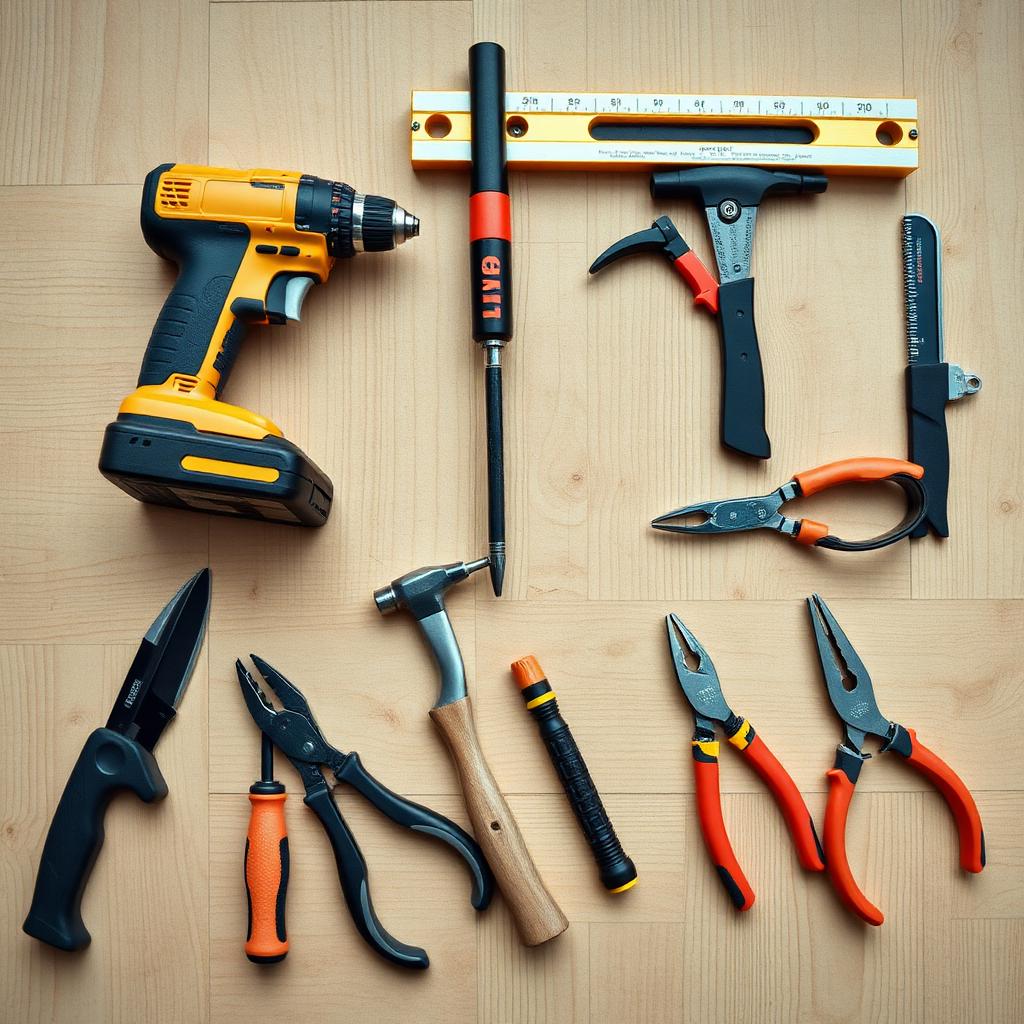
The 15 must-have DIY tools, in order of how often you will reach for them: claw hammer, tape measure, utility knife, screwdriver set, adjustable wrench, channel-lock pliers, lineman's pliers, 4-foot level, cordless drill driver, impact driver, stud finder, voltage tester, jab saw, oscillating multi-tool, and a respirator. With these, you can complete 90 percent of common household projects without buying anything else.
Spend on the drill, the level and the tape measure. Save on everything else. The expensive tools earn back their cost, the cheap tools either fail safely or simply fail.
The Core Five You Use Daily
- Claw hammer (16 oz). Estwing or Stanley FatMax. Steel-handled, one-piece, will outlive you.
- 25 ft tape measure. Stanley FatMax or Milwaukee. Wide blade stays rigid further out.
- Utility knife with retractable blade. Milwaukee Fastback, no tools to change blades.
- Phillips and flathead screwdriver set. Wera or Klein. Cheap drivers strip screw heads.
- 4 ft level. Stabila or Empire. Aluminum, vials still readable in 20 years.
The Power Tools
- Cordless drill/driver (18 V or 20 V). Makita, Milwaukee or DeWalt. Two batteries minimum.
- Impact driver (same battery platform). Drives long screws into hardwood without stripping. Once you own one, you stop using a drill for screws.
- Oscillating multi-tool. The single most versatile cutting tool for retrofits, undercutting jambs, plunge cuts in drywall, removing grout.
Pick one battery platform and stay on it. Milwaukee M18 and DeWalt 20V Max each have over 200 tools on the same battery, so the second tool is cheaper than the first.
The Plumbing/Electrical Pair
- Adjustable wrench (10 inch). Bahco or Knipex Pliers Wrench (the latter does not chew up fittings).
- Channel-lock pliers (10 inch). The actual brand, accept no substitute. Used for everything from supply lines to PEX.
- Lineman's pliers (9 inch). Klein. Cuts wire, twists wire, pulls staples.
- Non-contact voltage tester. Klein NCVT-3. Beeps before you touch the wire.
The Detection Tools
- Stud finder. Franklin Sensors ProSensor 710 is the only one most pros recommend. It shows the full stud width, not just an edge.
- Tape laser distance measurer. Bosch GLM 50 C, an optional upgrade once you have used one.
Cutting Tools
- Jab saw / drywall saw. For outlet cutouts and access holes.
- Hand saw or pull saw. A 10 inch pull saw cuts cleaner than a Western hand saw and fits in a drawer.
- Hacksaw. Cuts conduit, copper, threaded rod.
Safety
- Safety glasses that fit over your prescription lenses. The cheap ones you actually wear are better than the expensive ones you do not.
- N95 respirator for dust. P100 for paint, foam, and any chemical.
- Hearing protection for any power tool over 85 dB (which is most of them).
- Cut-resistant gloves for utility knife work.
The Tools You Do Not Need Yet
Beginners over-buy. Hold off until a specific project requires them:
- Miter saw (rent for the one trim project).
- Table saw (most cuts can be done with a circular saw and a guide).
- Air compressor and nailer (a hammer works for the first 5 years).
- Router (a once-a-year tool).
- Wet saw (rent for tile projects).
Budget
The 15-tool kit above, with the recommended brands, runs about 700 to 1,000 dollars in 2026. The same kit in lower tier brands runs 350 to 500 dollars and will need replacement within 3 to 5 years on the power tools and within 1 to 2 years on the drivers and pliers.
Bottom Line
Buy these 15 first, in the brands listed. Resist the catalog lust for a 12 inch sliding miter saw before you own a 25 foot tape measure and a working voltage tester. The tools you use the most are not the ones with the highest list price.
Common Questions About Must-Have Tools for DIY Projects
Should I buy corded or cordless power tools?
Cordless for almost everything in 2026. Battery technology has caught up. Corded still wins for big saws (table saw, miter saw), planers and any continuous-use heavy work. The 15 must-have tools for DIY projects in this guide are mostly cordless or hand-powered.
Are pro-grade tools worth it for DIY?
Yes for tools you use weekly or for safety (drill, level, voltage tester, ladder). Not really for tools used twice a year, rent those.
What is the best brand for cordless?
Milwaukee M18 has the broadest ecosystem in 2026, DeWalt 20V is close, Makita is preferred by trade carpenters, Ryobi is the best value for occasional use. Once you pick a battery, stay on it.
How do I store tools?
A simple pegboard wall organizes hand tools and shows what is missing. A rolling tool chest holds power tools and accessories. A grab-and-go tool bag (Veto Pro Pac, Milwaukee Packout) is best for jobs around the house.
What about a workbench?
A basic 2x4 frame with a 3/4 inch plywood top, 6 feet long, costs 80 dollars in lumber. Add a woodworking vise and you have a setup that handles 95 percent of DIY work.
Where do you save money on tools?
Hand tools (pliers, wrenches, screwdrivers) from Harbor Freight ICON line, Wera off Amazon, or Husky from Home Depot. Pay up for the drill, the impact driver and the level.