Quick Answer
The most reliable air cleaning houseplants are snake plant, peace lily, spider plant, golden pothos, rubber plant, and Boston fern. They absorb formaldehyde, benzene, xylene, and other volatile organic compounds (VOCs) released by furniture, paint, and cleaning products.
Plants alone will not replace a HEPA air purifier, but a handful spread through a home noticeably improves humidity, mood, and slow burn off of household chemicals.
The Truth About the NASA Study
The famous 1989 NASA Clean Air Study tested houseplants in tiny sealed chambers and showed real VOC removal. The results travelled the internet for decades as proof that one or two plants would scrub a room.
In a normal home with open doors, leaky windows, and steady airflow, the effect is much smaller per plant. Recent reviews suggest you would need around 100 plants per 100 square feet to match a small mechanical purifier. So treat plants as one helpful layer, not a single solution.
That said, they still add moisture, soften noise, lift mood, and slowly remove specific compounds. Stacking five or six in a living space is a clear net positive.
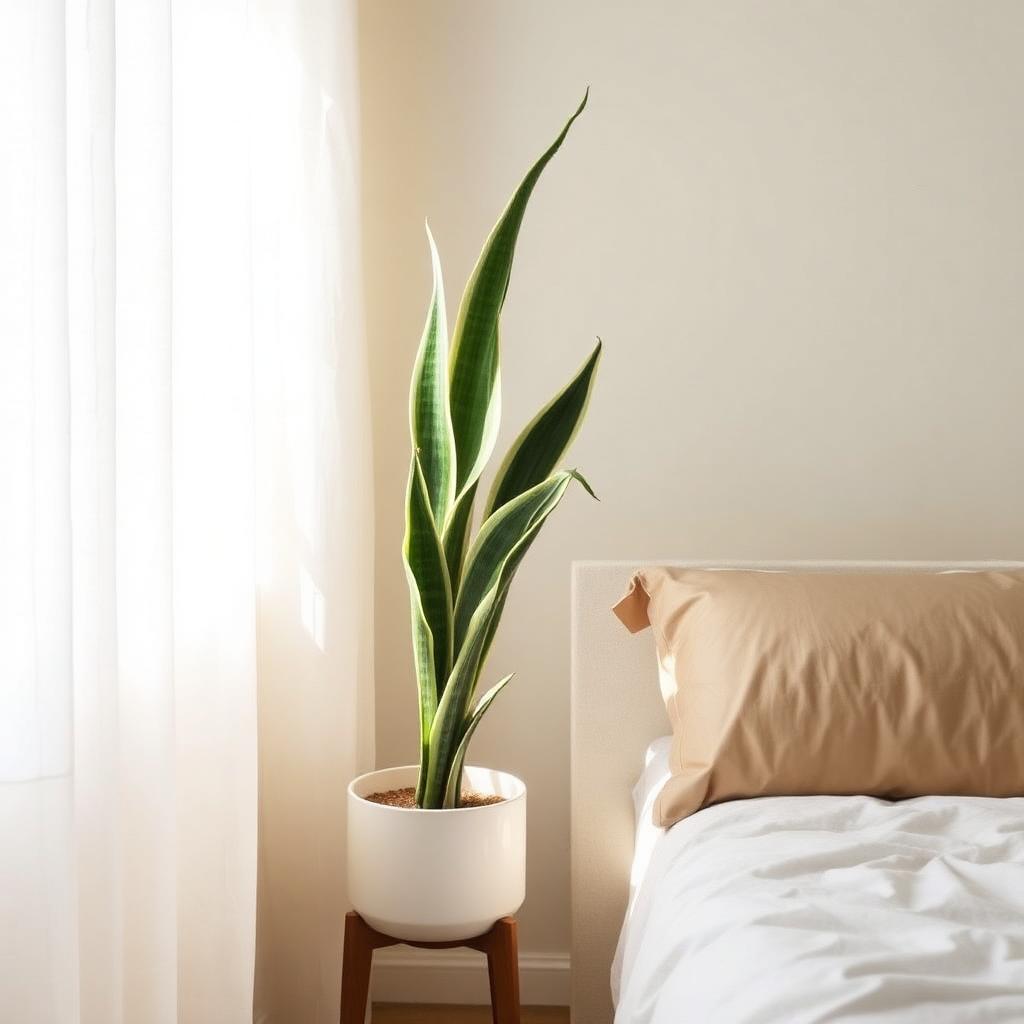
Snake Plant (Dracaena trifasciata)
The toughest air cleaner on the list. Snake plant tolerates low light, irregular watering, and dry air. It uses Crassulacean Acid Metabolism, opening its leaf pores at night to absorb carbon dioxide while releasing oxygen, which makes it a smart bedroom choice.
It also pulls formaldehyde and benzene from indoor air. Water only when the soil is bone dry, every 2 to 4 weeks depending on the room.
Peace Lily (Spathiphyllum)
Glossy dark leaves and elegant white spathes. Peace lilies clear acetone, ammonia, benzene, formaldehyde, and trichloroethylene from lab tests, more than most other common houseplants.
They like medium to low light and tell you exactly when they need water by drooping dramatically, then perking back up within an hour of a drink. Note: the leaves are mildly toxic to cats and dogs if chewed.
Spider Plant (Chlorophytum comosum)
Almost impossible to kill. Spider plants clear formaldehyde and xylene and produce dozens of baby plantlets you can snip off and root in a glass of water.
Bright indirect light, weekly watering, and a hanging basket are all this plant needs. Pet safe, kid safe, beginner safe.
Golden Pothos (Epipremnum aureum)
The trailing vine that thrives on neglect in any light. Pothos pulls formaldehyde and benzene and grows happily in water or soil. Hang one in a kitchen or trail it across a bookshelf and it will keep growing for years with monthly watering.
Rubber Plant (Ficus elastica)
Glossy burgundy or deep green leaves and a sculptural shape. Rubber plant has one of the highest rates of formaldehyde removal per leaf surface among common houseplants.
Wants bright indirect light and a thorough soak when the top inch of soil dries out. Wipe the large leaves with a damp cloth once a month so dust does not block air exchange.
Boston Fern (Nephrolepis exaltata)
A natural humidifier and one of the best filters for formaldehyde and xylene. Boston ferns crave humidity, indirect light, and steady moisture, so a bright bathroom is the perfect home.
Mist the fronds every few days or sit the pot on a pebble tray to keep the leaves from browning.
Bonus: English Ivy and Areca Palm
- English ivy: Reduces airborne mould spores in damp rooms. Train it on a small trellis in the bathroom.
- Areca palm: A heavy duty natural humidifier that also pulls toluene and formaldehyde. Likes bright light and weekly watering.
How to Get the Most From Your Plants
- Place plants where you spend the most time: living room, bedroom, home office.
- Aim for at least one plant per 100 square feet of floor space.
- Wipe dust off large smooth leaves monthly so leaf pores stay open.
- Repot every 18 to 24 months because root bound plants slow their VOC uptake.
- Open a window for 10 minutes a day. Real fresh air still beats any houseplant.
Pet and Child Safety
Peace lily, pothos, English ivy, and rubber plant are mildly toxic if chewed. If you have a cat that nibbles or a curious toddler, lean on spider plant, Boston fern, areca palm, and parlour palm instead. All four are non toxic and clean air well.
The Takeaway
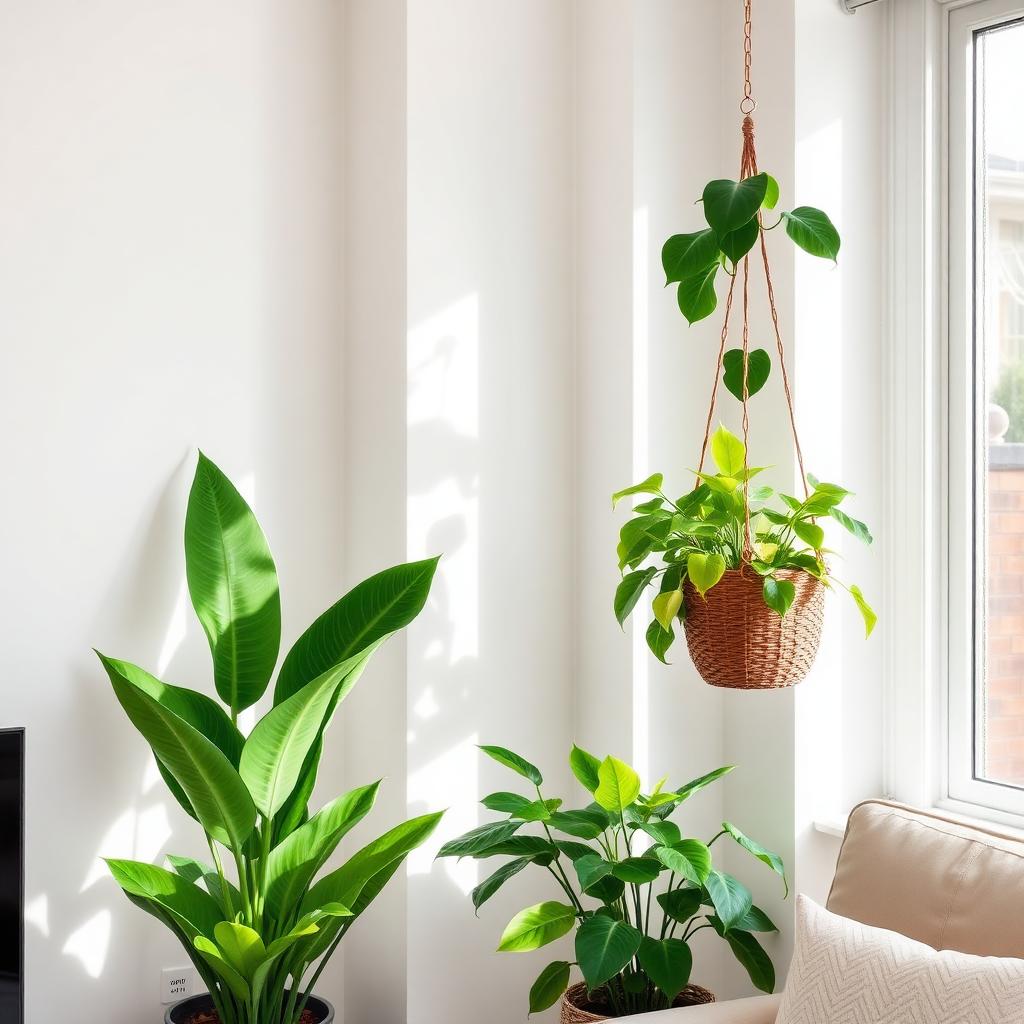
Indoor plants are not a replacement for an air purifier, but a handful of the right species genuinely improve a home. Stack a snake plant in the bedroom, a peace lily and rubber plant in the living room, pothos in the kitchen, and a Boston fern in the bathroom, and the air will feel fresher, more humid, and slightly cleaner within a few weeks.