Quick Answer
The best family dogs share three traits: a patient temperament, easy trainability, and an energy level that fits your daily life. For most active families that lands on the Labrador, Golden Retriever, Beagle, and Boxer. For calmer households, the Cavalier King Charles, Bichon Frise, or older rescue mixed breeds often beat any breed on the show list.
Match the dog to your lifestyle, not the lifestyle you wish you had.
The three traits that matter most
- Biddability. How eager is the dog to work with you? Highly biddable breeds learn house rules in weeks, not years.
- Frustration tolerance. Kids drop things, shout, and grab. A resilient temperament absorbs the chaos without reacting.
- Energy alignment. A Border Collie in a sedentary home becomes a problem dog. A Bulldog on a hiking family becomes an unhappy dog.
The classics that earn the title
Labrador Retriever
Top of the family list for a reason. Forgiving, food motivated, easy to train, and tireless. Needs real exercise (an hour a day minimum) or the chewing starts.
Golden Retriever
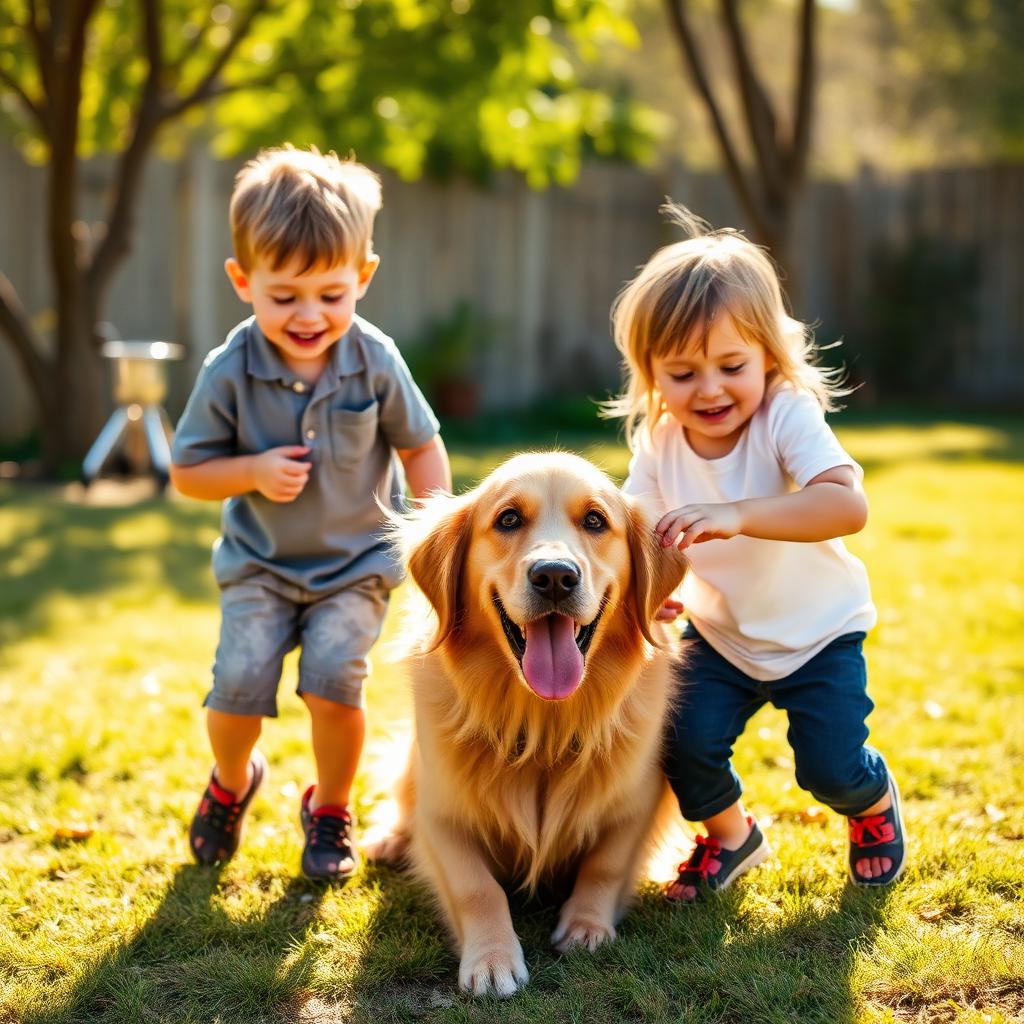
The Labrador in a luxury coat. Slightly softer temperament, more grooming, equally great with kids. Watch for cancer risk in the breed; reputable breeders matter.
Beagle
Smaller, sturdy, deeply social. Originally bred as pack hounds, so they read other dogs and kids as instant playmates. Drawback: the nose. Secure fences and a long line are non negotiable.
Boxer
Goofy, athletic, deeply attached to family. The breed was developed as a guardian, so they are protective without being aggressive. Best for high energy households.
Underrated picks
- Standard Poodle. Hypoallergenic, brilliant, gentle. The grooming bill is real, the dog is worth it.
- Bernese Mountain Dog. Calm, patient, stunning. Short lifespan is the trade.
- Adult rescue mix. A 3 year old shelter dog comes pre tested for temperament, often house trained, and skips the puppy chaos.
Breeds to think twice about for young kids
Not bad dogs, just demanding matches.
- Border Collie. Brilliant but herd kids relentlessly without serious training.
- Akita. Loyal to family, wary of everyone else, including visiting children.
- Chow Chow. Independent, low tolerance for rough handling.
- Siberian Husky. Friendly but escape artists with predatory instincts toward small pets.
What to do before you bring any dog home
- Audit your week honestly. Who walks the dog at 6am? Who handles vet visits?
- Budget realistically. Food, insurance, training, grooming, boarding adds up to $1,200 to $3,500 a year depending on breed and size.
- Sign up for puppy classes before you pick up the puppy. Spots fill fast and the first 16 weeks are critical for socialisation.
- Prep the kids. Teach hand signals, gentle touch, and the rule that a sleeping dog is left alone.
FAQs about family dogs
Is a puppy or adult better with kids?
Adults, almost every time. Temperament is already visible and the puppy biting phase is brutal with toddlers.
What about mixed breeds?
Often excellent. Hybrid vigour, lower price, and shelters that temperament test before adoption.
Are big dogs safer than small dogs around kids?
Surprisingly, small breeds bite kids more often, mostly because small dogs are handled more roughly. Size is not the deciding factor, temperament and training are.
The takeaway
The best family dog is the one whose energy and temperament fit your real life. Labradors, Goldens, Beagles, and Boxers earn their spot at the top of the list, but the smartest pick is often a calm rescue who already knows the world. Choose with your head, train with consistency, and the dog will repay the effort tenfold.