Quick Answer
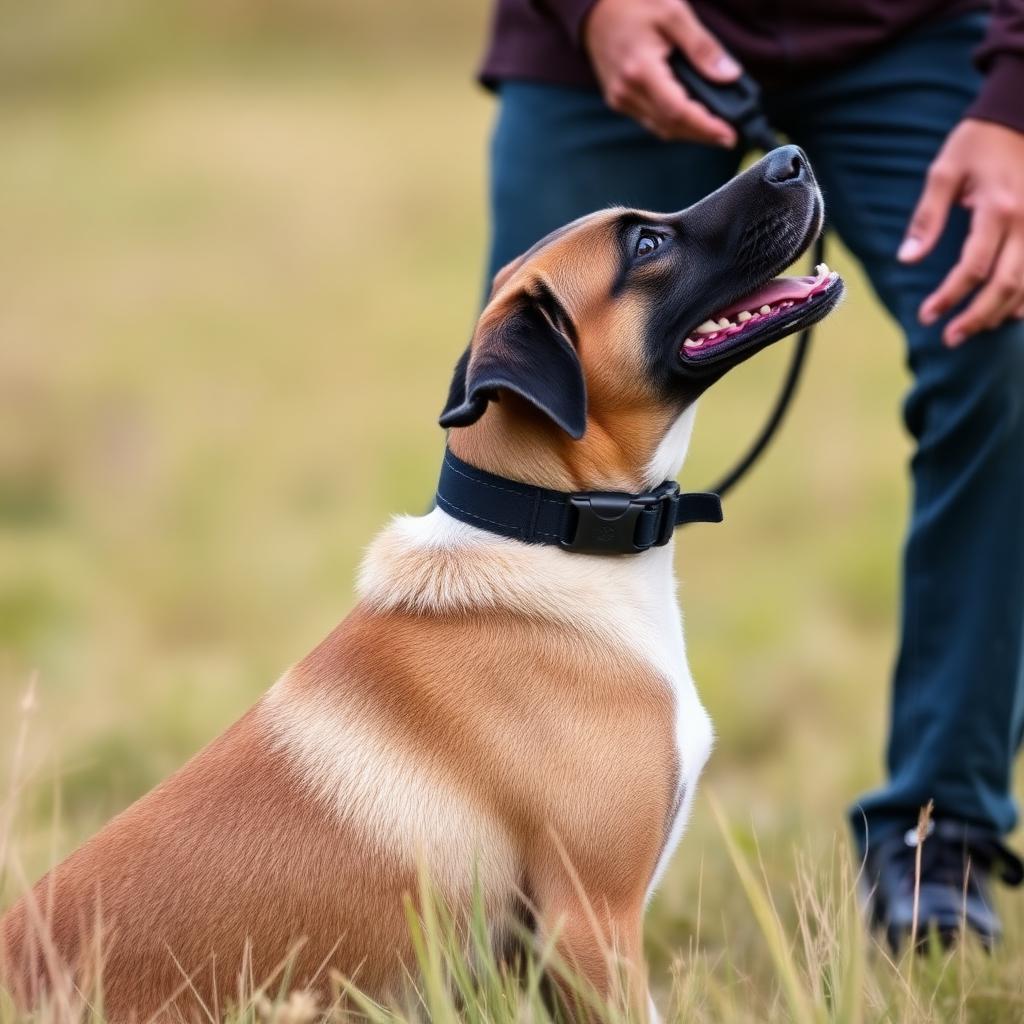
The best dog training collars for serious off leash work are modern remote e-collars with at least 100 stimulation levels, vibration and tone modes, a waterproof receiver, and a half mile or greater range. Top names trainers actually use include the E-Collar Technologies Mini Educator, Dogtra ARC, SportDOG SD-1825X, and Garmin Sport Pro.
Used correctly, a modern e-collar is a low pressure tap on the shoulder. Used wrong, any tool can become abusive. Pair the collar with a real training plan, ideally with a professional trainer for the first sessions.
How modern e-collars actually work
Older training collars relied on high voltage shocks that were painful and stressful. Modern systems use transcutaneous electrical nerve stimulation (TENS), the same technology in physical therapy units.
The stimulation feels like a muscle twitch at low levels and a strong tap at higher ones. Reputable trainers find each dogs perception threshold, the lowest level the dog notices, and train almost entirely at that gentle setting.
The three communication modes
- Continuous stimulation: A low level constant tap, used to redirect attention.
- Momentary stimulation: A quick tap, used as a marker.
- Vibration: A buzz, often used for deaf dogs or as a recall cue.
- Tone: A beep, useful as a long distance warning or marker.
The five features that matter
- 100+ stimulation levels. Fine adjustment lets you find the perception threshold precisely.
- Lock and set safety dial. Prevents accidental level bumps mid session.
- IPX7 or IPX9K waterproof rating. The receiver must survive swimming, rain, and wet brush.
- Half mile or greater range. Real terrain (trees, hills) eats range fast. Buy more than you think you need.
- Long battery life. Look for at least 50 hours per charge on the remote, 20 on the receiver.
Top models trainers recommend
E-Collar Technologies Mini Educator
The trainer favourite. 100 levels, half mile range, ergonomic remote, excellent build quality. Best all rounder for pet and sport dogs.
Dogtra ARC
Slim receiver, 127 levels, three quarter mile range. Popular with hunting and field trial handlers.
SportDOG SD-1825X
Rugged, 1 mile range, supports up to three dogs on one remote. Built for upland hunters and outfitters.
Garmin Sport Pro
Three quarter mile range, integrated bark limiter, BarkLimiter, and tracking compatible. Best when GPS tracking matters too.
How to introduce an e-collar correctly
- Charge and fit. Two finger snug at the throat, contact points on bare skin. Check daily for pressure sores.
- Let the dog wear it unactivated for a week. No association with training yet.
- Find the perception threshold. Start at zero and step up by one until the dog flicks an ear, glances back, or tilts its head. That is the level.
- Pair with known cues first. Sit, come, place. Press the stim at the moment you give the cue. Release the stim when the dog complies.
- Build reliability gradually. Add distractions and distance only after the dog is happily responding at the threshold.
What an e-collar is not for
- Stopping reactivity or aggression. Without a behaviour plan, stim only suppresses the warning signs and can escalate to a bite without warning.
- Anxious dogs. Adds stress, makes anxiety worse.
- Puppies under 6 months. Use positive reinforcement to build the foundation first.
- Punishment. Modern training uses the collar as a tap, not a shock.
FAQs about training collars
Are e-collars legal?
Legal in most of the US and Canada. Banned or restricted in parts of Europe (Germany, parts of Australia, Wales from 2024, England from 2024 onwards). Check your local rules.
Cheap Amazon collars: worth it?
No. Inconsistent stim levels, unreliable contact, and no fine control. The cheap units are where most welfare problems come from.
How long should sessions be?
Ten to fifteen minutes, two to three times a day. Long sessions burn out attention and contact points.
The takeaway
A modern e-collar in skilled hands is a precise communication tool, not a punishment device. Buy a quality unit, find your dogs perception threshold, and train with a real plan, ideally with a credentialed trainer for the first few weeks. Used well, it gives you the off leash reliability that makes life with a high drive dog genuinely free.