Quick Answer
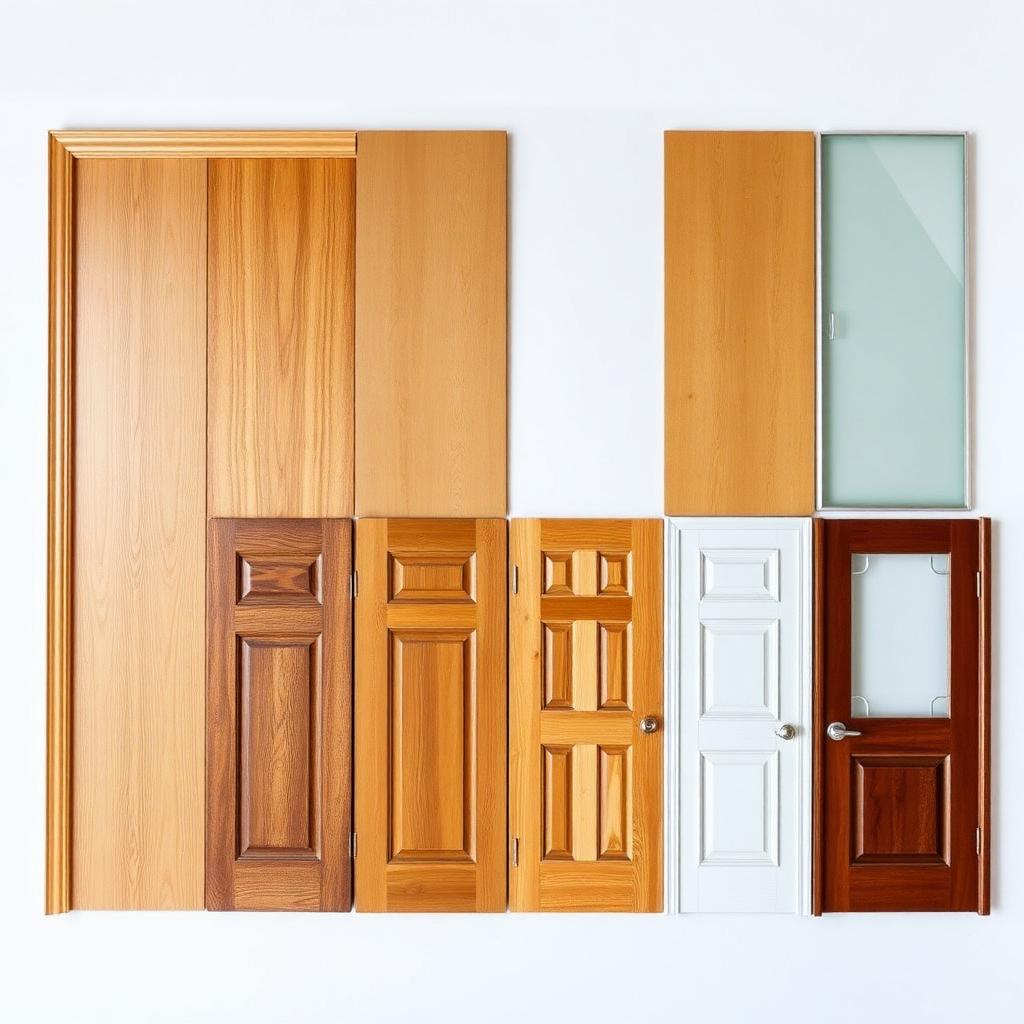
Most modern doors are made of one of these materials: solid wood (oak, pine, mahogany), engineered wood with veneer, MDF or particleboard with a hollow core, steel sheet over a foam core, fiberglass over a foam core, aluminum, glass, or PVC.
Interior doors are usually hollow-core MDF or solid-core wood. Exterior doors are usually fiberglass or steel for security and insulation. Specialty doors (shower, garage, commercial) use glass, aluminum, or composite materials.
Solid wood doors
Traditional and high-end doors are built from solid hardwood (oak, mahogany, walnut, cherry) or softwood (pine, fir). Solid wood doors weigh 40 to 90 pounds, last 50 to 100 years with proper care, and accept stain or paint beautifully. They cost $200 to $2,000 for residential sizes and are the gold standard for historic homes and luxury builds.
Engineered wood and MDF
Engineered wood doors are built with a wood frame around an MDF (medium-density fiberboard) or particleboard core, then wrapped in a thin veneer of real wood or a printed laminate. They cost $50 to $300, stay flatter than solid wood, and dominate the entry-level interior door market.
Hollow-core doors
Hollow-core doors use a cardboard honeycomb interior with MDF or HDF face panels. They are light (15 to 25 pounds), cheap ($30 to $80), and standard in apartments, basements, and budget builds. The downsides are weak sound insulation and easy damage from impact.
Steel doors
Steel exterior doors use a 24-gauge steel skin over a polyurethane or polystyrene foam core, with a wood or composite frame inside. They cost $150 to $600, resist kicks better than any other residential door, and offer good insulation (R-5 to R-7). The trade-off is dents and potential rust if the paint chips.
Fiberglass doors
Fiberglass exterior doors use a molded fiberglass skin over a foam core. They cost $300 to $1,500, mimic wood grain convincingly, never rust or rot, and provide the best insulation in the residential market (R-5 to R-8). They are increasingly the default for new construction in mixed climates.
Glass and aluminum
Sliding patio doors, French doors, and shower enclosures use tempered or laminated glass in aluminum, vinyl, or fiberglass frames. Commercial entry doors often use anodized aluminum with full-glass panels. Glass adds light and view at the cost of privacy and a higher break-in risk.
PVC and vinyl
PVC doors are common in bathrooms, utility rooms, and budget rentals. They are waterproof, cost $50 to $150, and never rot. The trade-off is a plastic appearance and limited customization.
Specialty materials
Garage doors use roll-formed steel, aluminum, wood composite, or fiberglass panels. Fire-rated doors use mineral-core construction with steel or hardwood faces and meet 20 to 90 minute burn-through ratings. Soundproof doors use multiple layers of MDF, mass-loaded vinyl, and gasket seals.
How to choose
Match material to use: fiberglass for front entry, solid-core MDF for primary bedrooms and bathrooms, hollow-core for closets and low-priority interior, steel for security-critical entries, PVC for wet rooms in tight budgets. Spend more on the doors you see and touch every day; cut costs on closets and utility rooms.
What doors are made of has expanded far beyond plain wood. Modern materials offer better security, better insulation, and longer life with less maintenance.
Composites and engineered materials
Modern doors increasingly use composite cores: agrifiber boards made from straw or wheat residue, polyurethane foam blocks, and recycled wood fiber. These materials are lighter than solid wood, more dimensionally stable than MDF, and often more sustainable.
Door skin technology
The visible face of an engineered door is a molded skin called HDF (high-density fiberboard) or MDF, pressed with a wood-grain or panel pattern, then primed at the factory. Higher-end skins simulate real wood texture so convincingly that they fool most buyers in showrooms.
Sustainability and certification
Look for FSC (Forest Stewardship Council) certified wood for solid and veneered doors. Look for GREENGUARD certification for low-VOC emissions on engineered doors. Steel and fiberglass doors with high recycled content reduce embodied carbon meaningfully.
How to identify a door's material
Tap the door near the center. A hollow drum sound means hollow-core. A solid thunk means solid-core wood or MDF. A higher metallic ring means steel or fiberglass with a metal frame. Lift the door slightly: hollow-core weighs 15 to 25 pounds, solid-core 40 to 90 pounds, steel 60 to 100 pounds.
Cost comparison summary
Hollow-core: $30 to $80. Solid-core MDF: $80 to $250. Solid wood: $200 to $2,000. Steel: $150 to $600. Fiberglass: $300 to $1,500. PVC: $50 to $150. Specialty acoustic or fire-rated: $500 to $3,000+. Installation typically adds $100 to $400 per door.
Recommended materials by room
Front entry: fiberglass or insulated steel. Bedroom: solid-core MDF. Bathroom: solid-core MDF or PVC. Closet: hollow-core. Office (sound matters): solid-core with seals. Garage to house: 20-minute fire-rated steel or solid-core.
Future trends in door materials
Bio-composite doors made from hemp, mycelium, and recycled plastic are entering the market. Smart doors with embedded sensors, biometric locks, and built-in displays are common in luxury new builds. Expect mainstream prices on smart and sustainable door materials to drop steadily over the next five years.