Quick Answer
Tile installation is a DIY project for backsplashes, small floors, fireplace surrounds and tub surrounds. It is not a DIY project for shower pans, large-format tile, steam showers or any wet-area waterproofing that depends on a Schluter Kerdi or RedGard system you have never used before.
The cuts and the thinset coverage are not the hard part. The hard part is layout, slope, and waterproofing in wet areas.
Where DIY Tile Works
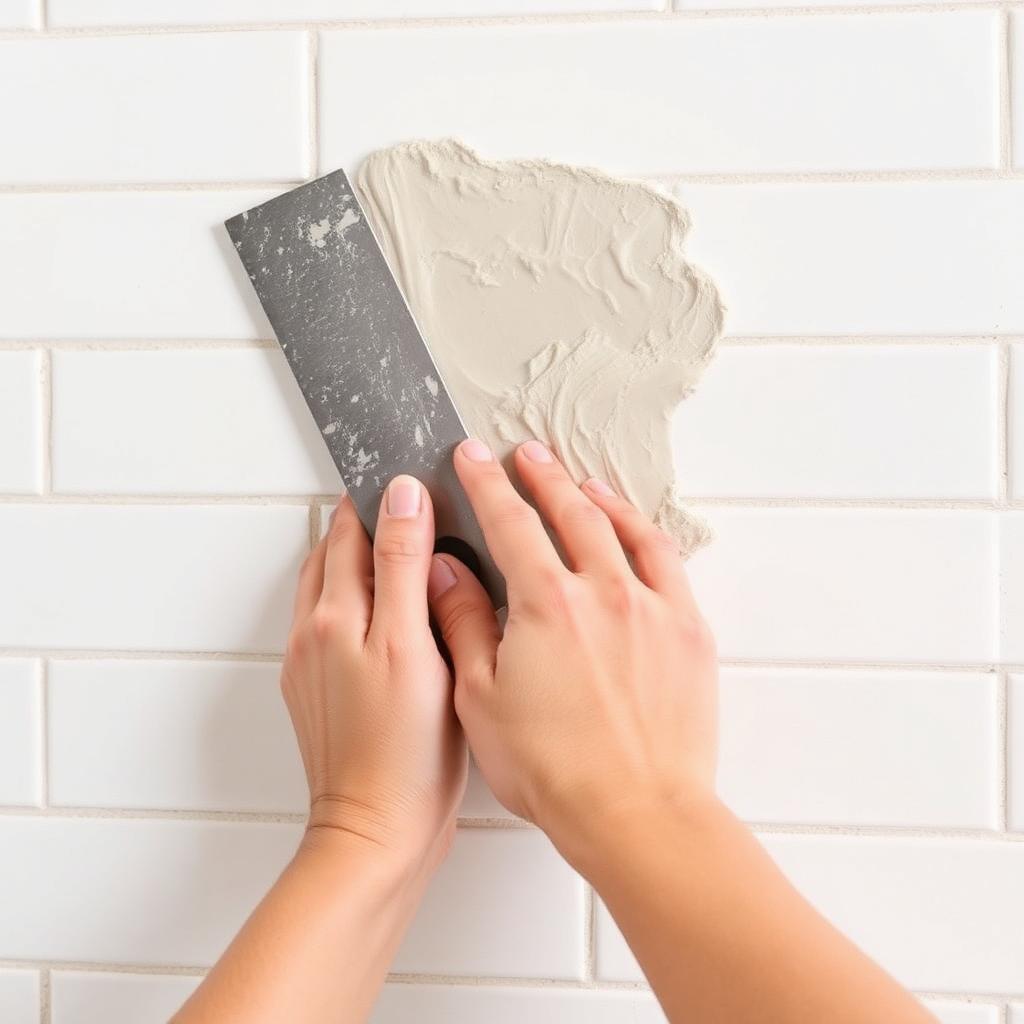
- Backsplashes. Small area, dry, vertical, forgiving. The best first project.
- Mudrooms and small dry floors. Cement board over plywood, basic mortar and grout.
- Fireplace surrounds. Use heat-rated mortar, otherwise standard.
- Tub surrounds with a one-piece tub. The tub does the waterproofing, you tile the wall above.
Where to Hire a Pro
- Curbless or zero-entry showers.
- Custom shower pans.
- Large format (24 inch or bigger) where lippage is a constant fight.
- Heated floors (the wiring and the system spec must be matched).
- Anywhere a leak would damage a floor below.
The Real Skills You Need
Layout. The job lives and dies on the first row. Find the center of the wall or floor, dry-lay tiles with spacers, and adjust so you never end on a sliver. A 1/8 inch sliver at the end of a row signals "amateur" from across the room.
Trowel size. Wrong notch size starves the bond. Mosaics need a 1/4 by 1/4 inch trowel, standard subway tile a 1/4 by 3/8 inch, 12 inch floor tile a 1/2 by 1/2 inch. The bag tells you.
Back-buttering. For tiles larger than 12 inches you need to butter the back of the tile as well as the substrate. Most floor failures come from skipping this.
Substrate Rules
Tile cracks because what is under it moved. The substrate decides everything.
- Floors: at least 1-1/8 inch combined plywood thickness, joists 16 inches on center max, deflection L/360 or stiffer.
- Use cement board (1/4 inch min) under wall tile in wet areas, with a waterproofing membrane behind.
- Never tile over drywall in a shower, even if green board.
- Never tile over vinyl, carpet, or peel-and-stick floors.
Tools and Cost
You will need a wet saw (rent for 50 dollars a day or buy a basic one for 100), tile nippers, notched trowel, level, spacers, grout float, sponges, bucket. Materials run 5 to 25 dollars per square foot. Pro installation adds 8 to 15 dollars per square foot.
Grout: The 24-Hour Trap
Mix grout to peanut-butter consistency, apply with the float at a 45 degree angle, fill every joint. Wait 20 minutes (not 5, not an hour), then haze-clean with a barely-damp sponge in circles. Wait another 4 hours and buff the haze off with a dry cloth. Seal cement grout 72 hours after install. Epoxy grout does not need sealing.
Time Budget
A 30 square foot backsplash takes a first-time DIYer 6 to 10 hours spread over two days (set day one, grout day two). A small bathroom floor is a full weekend. Showers measured in days, not hours.
Bottom Line
Tile installation is a DIY project for vertical and small dry-floor work. Get the substrate right, plan the layout, use the trowel the bag tells you, and accept that wet-area waterproofing is the line where you should call in a tile pro.
Common Questions About DIY Tile Installation
What is the easiest tile for a beginner?
Mosaic sheets on a mesh backing. You cut the mesh between tiles instead of cutting the tile itself, and the small pieces hide minor unevenness. A 12 by 12 inch sheet covers fast.
How long should mortar cure before grouting?
24 hours for standard thinset, 48 hours in cool or humid conditions. Grouting before the mortar cures is the second most common DIY tile failure after starved bond.
Should I seal grout?
Cement-based grout, yes, 72 hours after install with a penetrating sealer. Reseal every 1 to 2 years. Epoxy grout never needs sealing because it is non-porous.
How do I cut around an outlet or pipe?
Mark the tile where the hole will land. Wet saw scoring lets you nibble out the waste with tile nippers, or a diamond hole saw bit will drill clean penetrations.
Can I tile over existing tile?
Yes if the substrate is sound and you scuff the glaze with a 60 grit pad and use a bonding-rated thinset. The added thickness can be an issue at door thresholds and appliances. Most pros still recommend removing the old tile.
What grout joint width should I use?
1/16 to 1/8 inch for rectified tile, 3/16 to 1/4 inch for non-rectified field tile, 1/16 inch is the floor for mosaics.
Final Tip
If you have never set tile before, do a small project first. A 9 square foot fireplace hearth, a 12 square foot mudroom, or a single bathroom backsplash teaches you the trowel rhythm and the layout discipline before you commit to a large bathroom. The skills compound, the second project is twice as fast and looks twice as good.