Quick Answer
Yes, painting a room is the highest reward, lowest risk DIY project in the home. A 12 by 12 bedroom takes one person about 5 to 7 hours spread over a weekend, costs 60 to 120 dollars in materials, and saves 300 to 600 dollars versus hiring out.
The difference between an amateur paint job and a pro one is almost entirely prep work, not painting skill.
What You Need
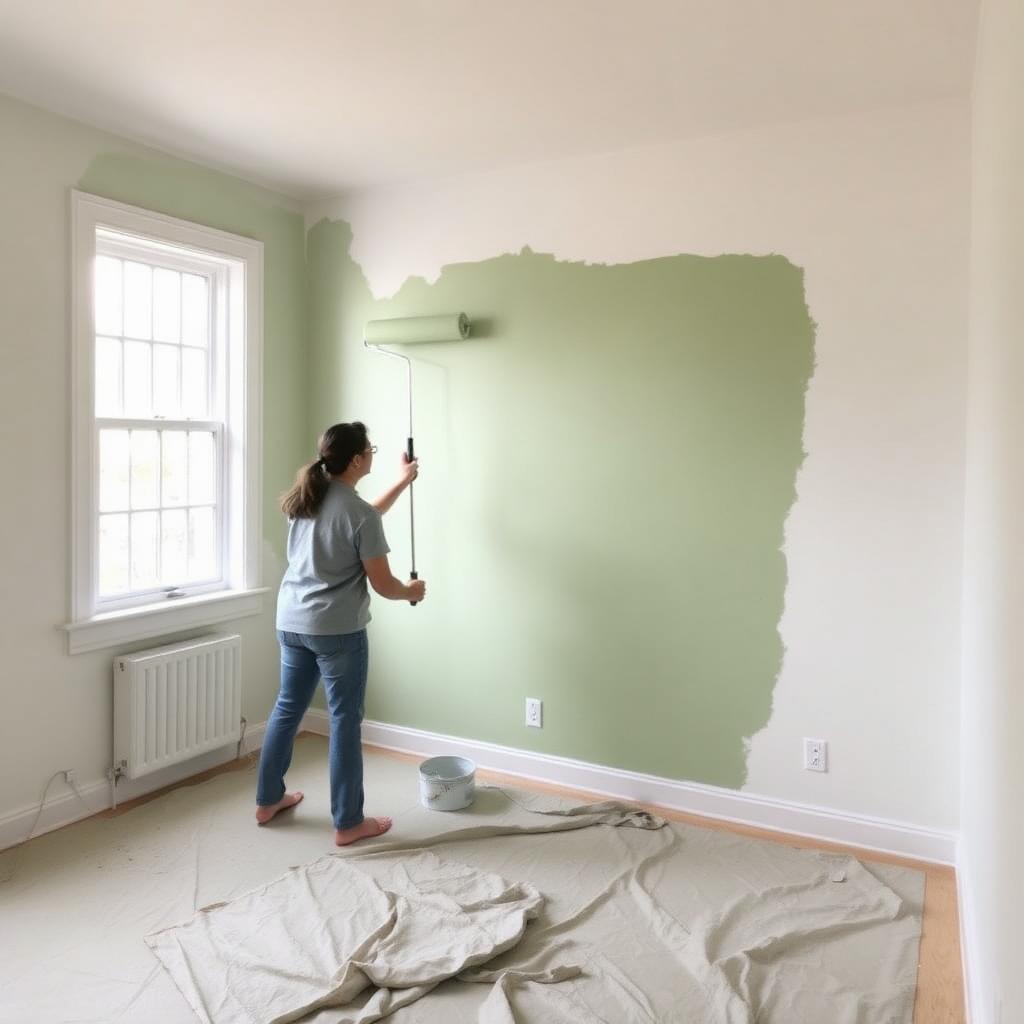
- Drop cloths (canvas, not plastic, plastic gets slippery and bunches).
- Painter's tape (3 day FrogTape or equivalent).
- 2.5 inch angled sash brush.
- 9 inch roller frame, 3/8 inch nap microfiber cover for smooth walls, 1/2 inch for lightly textured.
- Roller pan with disposable liners.
- Sandpaper 120 grit and 220 grit, spackle, putty knife, clean rags.
- Primer if you are going light over dark, painting over stains, or hitting bare drywall.
The Prep That Decides Everything
Move furniture to the center of the room and tarp it. Take down switch plates and outlet covers (not just tape over them). Fill nail holes and dings with spackle, let dry, sand smooth. Wipe walls with a damp microfiber to remove dust, then a dry pass. Caulk gaps where trim meets the wall.
Tape ceiling lines, trim and door frames last. Press the tape edge down with a putty knife so paint does not bleed under.
The Right Paint
Sherwin-Williams ProClassic, Behr Marquee, Benjamin Moore Regal, and Farrow & Ball Estate Emulsion are the four most-recommended one-coat-capable paints in 2026 trade reviews. Skip builder-grade flat paint, it is unwashable.
Sheen by room: flat or matte for ceilings and adult bedrooms, eggshell for living rooms and dining rooms, satin for kids' rooms and hallways, semi-gloss for trim, bathrooms and kitchens. Bathrooms with poor ventilation need mildew-resistant formulas.
The Order Pros Use
- Ceiling first.
- Trim and doors second (the wall paint covers any trim slop).
- Walls last, cutting in 2 to 3 inches around edges with the brush, then rolling the wall in W or N strokes and back-rolling for even coverage.
Two coats is non-negotiable. Even self-claimed one-coat paint looks better with two.
Cutting In Without Tape
Pros do not tape walls to ceilings, they cut in freehand with a quality angled brush, loaded but not dripping, holding the brush at a 45 degree angle and dragging it parallel to the ceiling line. Practice on a scrap board. After a wall or two you will not go back to taping.
Common Mistakes
- Loading too much paint on the roller (it splatters and drips).
- Pulling tape off after the paint dries (it lifts the new paint, peel it at a 45 degree angle while paint is still slightly wet).
- Skipping primer over bare drywall, fresh joint compound or stains.
- Painting in cold (under 50 F) or humid (over 85 percent) conditions.
Time and Cost
A 12 by 12 room (about 350 square feet of wall) takes one gallon for one coat or two gallons for proper two-coat coverage. Premium paint costs 50 to 80 dollars per gallon. Add 30 dollars for tape, brush, roller and tray. Total job, around 100 dollars and a weekend.
Bottom Line
Painting a room is the single best DIY project to start with. The prep is unglamorous but mandatory, the technique is fast to learn, and the savings versus a painter are large enough that the room will pay for itself within a year of furniture you no longer have to delay.
Common Questions About DIY Room Painting
Do I really need to prime?
Over bare drywall, fresh joint compound, stain or a major color change, yes. Over previously painted walls of the same color family in good condition, modern self-priming paints honestly do not need a separate primer coat.
How do I avoid roller lap marks?
Maintain a "wet edge", roll each new section into the still-wet previous one before it dries. Work in 3 to 4 foot wide sections and never stop mid-wall.
Can I paint over wallpaper?
Technically yes if the wallpaper is fully adhered, but the seams telegraph through and any future repair gets messy. Removing it is worth the extra day.
How many coats do I really need?
Two coats is the answer for any color change. Single coat works only when going lighter to slightly-lighter in the same color family with a premium paint.
What sheen should the ceiling be?
Flat or matte. Anything shinier shows every joint compound imperfection in raking light.
How long before I can hang things on the wall?
Wait 30 days for full cure before driving anchors. The paint is dry to the touch in 4 hours but does not fully harden for a month.
Final Tip
Take photos before the first stroke. Tape, drop cloths, switch plates and trim all look the same after the third coat, and a reference shot helps you remember exactly where every spot belongs at re-assembly. Photograph each wall again at the cutting-in stage so you have a record of how the color looks in your specific light.