Quick Answer
Neutrogena Hydro Boost Water Gel Lotion Sunscreen SPF 50 is one of the best daily chemical sunscreens at the drugstore because it genuinely feels like a hydrating skincare product rather than a traditional sunscreen. The water gel texture absorbs instantly, leaves no white cast, and infuses the skin with hyaluronic acid for up to eight hours of moisture.
I have tested dozens of drugstore sunscreens, and most feel like a chore. They are sticky, they smell like chemicals, and they make you sweat the moment you step outside.
The short answer
Neutrogena Hydro Boost Water Gel Lotion Sunscreen SPF 50 is one of the best daily chemical sunscreens at the drugstore because it genuinely feels like a hydrating skincare product rather than a traditional sunscreen. The water gel texture absorbs instantly, leaves no white cast, and infuses the skin with hyaluronic acid for up to eight hours of moisture.
I have tested dozens of drugstore sunscreens, and most feel like a chore. They are sticky, they smell like chemicals, and they make you sweat the moment you step outside. The Hydro Boost formula is the opposite. It is refreshing, lightweight, and genuinely enjoyable to apply.
This guide breaks down the water gel technology, the updated oxybenzone free formula, how the hyaluronic acid works, and whether it is the right choice for your skin type.
What is water gel technology?
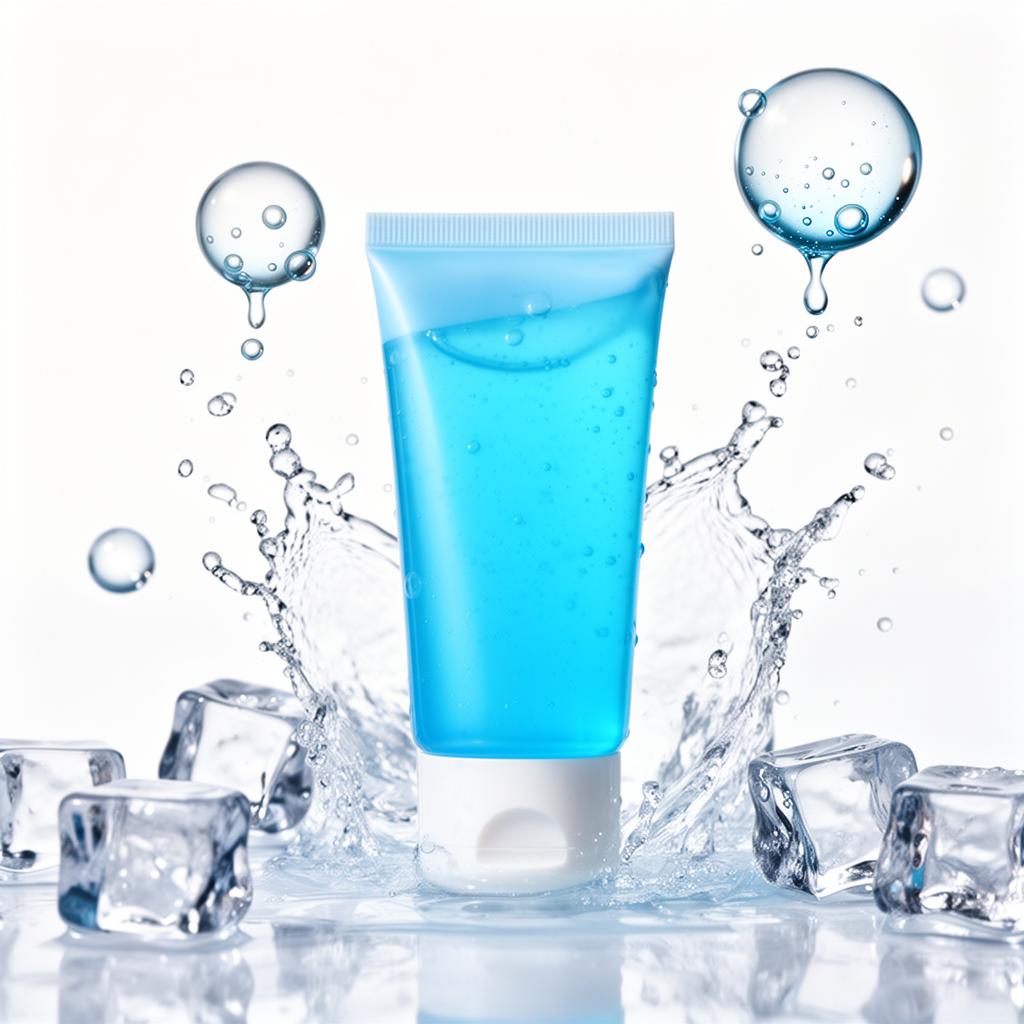
The term water gel is not marketing fluff. It describes a specific texture behavior that sets this sunscreen apart from traditional lotions. When you dispense it, the product looks like a pale blue tinted lotion. The moment you rub it into your skin, it seemingly bursts into a water like texture that absorbs almost instantly.
This sensation is achieved through a carefully balanced chemical sunscreen base with a high water content and a lightweight emollient system. The formula breaks down upon contact with skin heat and friction, releasing a cooling, hydrating burst that feels more like a serum than a sunscreen.
The finish is completely invisible. No white cast, no greasy film, no chalky residue. It leaves the skin feeling bare and breathable, which is why so many people who hate sunscreen genuinely enjoy this one.
The active UV filters explained
The sunscreen uses a four filter chemical system that covers the full UV spectrum:
- Avobenzone (3%): the gold standard UVA filter that protects against long wave aging rays. It is essential for any sunscreen claiming broad spectrum status.
- Homosalate (15%): a high percentage UVB filter that helps the formula reach its SPF 50 rating. It is oil soluble and blends easily into cosmetic bases.
- Octisalate (5%): another UVB filter that stabilizes and solubilizes the other actives, improving spreadability and longevity.
- Octocrylene (10%): absorbs UVB and short UVA while acting as a photostabilizer for avobenzone, which degrades quickly in sunlight without a partner.
Neutrogena updated this formula to remove oxybenzone, addressing both environmental reef safety concerns and health questions raised by some dermatology researchers about older chemical filter systems. The current formula is cleaner than previous generations.
The star ingredient: hyaluronic acid
The magic of the Hydro Boost line lies in its use of hyaluronic acid, a humectant naturally found in the skin that can hold up to 1,000 times its weight in water. When infused into a sunscreen, HA serves a critical dual purpose.
Sun exposure naturally dehydrates the skin, leaving it looking dull and crepey over time. By binding water to the skin cells, the HA in this formula actively plumps the skin and quenches dehydration lines while you wear it. It turns sunscreen from a purely protective product into a hydrating treatment.
Glycerin works alongside the HA to pull moisture from the environment and lock it into the stratum corneum. The result is skin that looks and feels more hydrated at the end of the day than when you started. This is especially valuable in air conditioned offices and dry climates where sun and indoor air conspire to strip moisture.
The user experience
Application is where this product truly differentiates itself from the competition:
- The finish: it dries down to an invisible, incredibly smooth finish. It is completely oil free and non comedogenic, so it will not clog pores or trigger breakouts.
- The cooling effect: because of the water light texture, it provides a slight, refreshing cooling sensation upon application. This is a genuine pleasure on a hot summer morning.
- Under makeup: it is virtually undetectable under foundation. Because it hydrates so well, it plumps the skin surface and makes makeup apply more evenly without catching on dry patches.
- The scent: it has a fresh, clean, aquatic fragrance. Most users love it, though those with fragrance allergies should patch test first.
The only minor caveat is the fragrance. While it is pleasant and not overpowering, fragrance of any kind can irritate the most reactive skin types. If you have a known fragrance allergy, test it on your inner arm for 24 hours before applying it to your face.
Who should use this sunscreen?
The Hydro Boost Water Gel SPF 50 is ideal for several skin profiles:
- Normal to dry skin: the hyaluronic acid and glycerin base provides genuine, sustained hydration.
- Oily skin that hates greasiness: it is completely oil free and dries to a bare skin feel. It will not add shine.
- All skin tones: chemical filters mean zero white cast on every skin tone from the fairest to the deepest.
- Makeup wearers: it acts as a hydrating primer, smoothing the skin surface for better foundation application.
- Hot and humid climates: the lightweight texture does not melt off or feel suffocating in high heat.
It is less ideal for those with severe chemical sunscreen sensitivities. If you have reacted to avobenzone or homosalate in the past, stick to an all mineral formula.
How does it compare to other Hydro Boost sunscreens?
Neutrogena makes several Hydro Boost SPF products. The Water Gel Lotion SPF 50 is the most versatile. The Hydro Boost City Protect SPF 25 is lighter and designed for incidental daily exposure, not extended outdoor time. The Hydro Boost Serum SPF 50 is even more hydrating but has a slightly tackier finish that some users dislike under makeup.
Compared to CeraVe Hydrating Mineral Sunscreen, the Neutrogena formula is lighter, more refreshing, and leaves no white cast. The CeraVe option is better for compromised barriers due to its ceramide content, but it feels heavier.
Compared to La Roche-Posay Anthelios, the Hydro Boost is more hydrating and significantly cheaper per ounce. The La Roche-Posay formula offers more sophisticated antioxidant technology but feels more like a traditional sunscreen.
The takeaway
Neutrogena Hydro Boost Water Gel Lotion Sunscreen SPF 50 proves that high level sun protection does not have to be a miserable sensory experience. It provides broad spectrum, water resistant protection in a formula that genuinely feels like a luxury hydrating serum.
At its accessible drugstore price point, it is one of the best daily chemical sunscreens available. If you have avoided sunscreen because of how it feels, this is the product that might change your mind.
Quick recap
The Hydro Boost Water Gel SPF 50 combines four chemical UV filters with hyaluronic acid and glycerin in a unique water light texture. It absorbs instantly, leaves no white cast, hydrates for up to eight hours, and works beautifully under makeup.
The updated oxybenzone free formula is cleaner than previous versions. It is ideal for all skin tones and most skin types, though those with chemical sunscreen sensitivities should patch test first.
Skincare disclaimer
This article is for general educational purposes only and is not medical or dermatological advice. Skincare ingredients affect every person differently depending on skin type, barrier health, allergies, hormones and the rest of your routine.
Always patch-test a new product on a small area of skin for at least 48 hours, introduce one active at a time, and stop use if you see persistent irritation, burning or breakouts. If you are pregnant or breastfeeding, on prescription topicals (retinoids, antibiotics), or treating acne, rosacea, eczema or pigmentation, speak to a board-certified dermatologist before changing your routine.
See the full site-wide Disclaimer & Notice for the complete terms that apply across dmbio.