Quick Answer
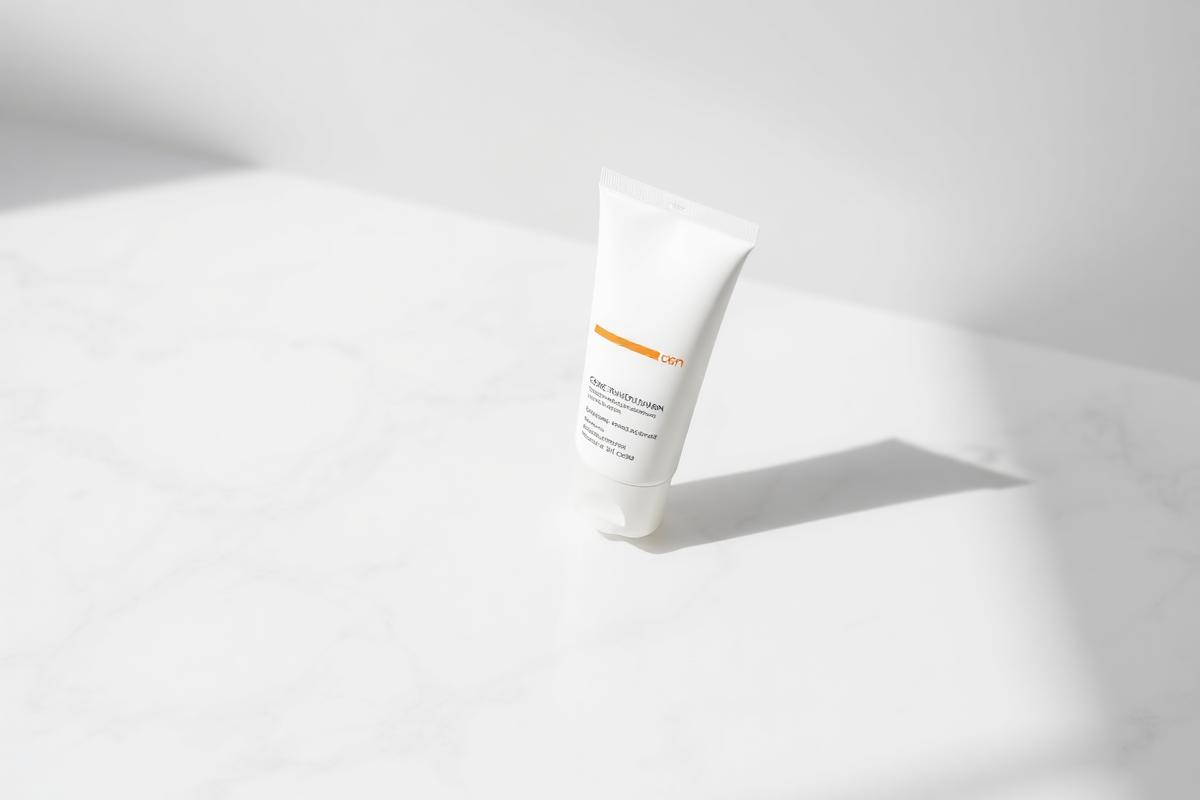
La Roche-Posay Anthelios Clear Skin Dry Touch Sunscreen SPF 60 is one of the best options for oily and acne prone skin because it pairs broad spectrum chemical UV filters with oil absorbing silica and perlite. It dries to a true matte finish, resists sweat for 80 minutes, and is specifically non comedogenic.
I have tested dozens of sunscreens marketed for oily skin, and many fail on one of two fronts: either they provide excellent UV protection but feel greasy within an hour, or they absorb oil but leave a white cast or pill under makeup. The Anthelios Clear Skin formula is one of the few that genuinely delivers both.
The short answer
La Roche-Posay Anthelios Clear Skin Dry Touch Sunscreen SPF 60 is one of the best options for oily and acne prone skin because it pairs broad spectrum chemical UV filters with oil absorbing silica and perlite. It dries to a true matte finish, resists sweat for 80 minutes, and is specifically non comedogenic.
I have tested dozens of sunscreens marketed for oily skin, and many fail on one of two fronts: either they provide excellent UV protection but feel greasy within an hour, or they absorb oil but leave a white cast or pill under makeup. The Anthelios Clear Skin formula is one of the few that genuinely delivers both.
This guide breaks down the ingredient technology, who it works best for, how to apply it without pilling, and how it compares to other mattifying SPFs on the market.
What makes Anthelios Clear Skin different from regular sunscreen?
Most sunscreens rely on occlusive emollients to keep the active UV filters suspended and stable on the skin. For oily skin types, those emollients add shine, clog pores, and create a slippery base that does not hold up under sweat or sebum.
La Roche-Posay took a different approach. The Anthelios Clear Skin formula replaces heavy emollients with oil absorbing powders (silica and perlite) that actively pull sebum away from the skin surface. The result is a dry touch texture that sets quickly and stays matte for hours, even in heat and humidity.
The formula also uses Cell-Ox Shield technology, which combines the UV filters with an antioxidant complex to neutralize free radicals from sun exposure and pollution. It is a dual action system: prevention and protection.
The active UV filters explained
The sunscreen uses a chemical filter blend rather than mineral zinc or titanium. Each active ingredient serves a specific purpose:
- Avobenzone (3%): the gold standard UVA filter. It absorbs the long wave UVA rays that penetrate deep into the dermis and cause photoaging, collagen breakdown, and hyperpigmentation. Without avobenzone, a sunscreen cannot claim true broad spectrum protection.
- Homosalate (15%): a UVB absorbing workhorse that helps the formula reach its high SPF rating. It is oil soluble and blends easily into cosmetic formulations.
- Octisalate (5%): another UVB filter that also acts as a solvent for other filters, improving the overall stability and spreadability of the formula.
- Octocrylene (7%): absorbs UVB and short UVA while stabilizing avobenzone, which degrades quickly in sunlight without a stabilizing partner.
Together this quartet covers the full UV spectrum from 290 to 400 nanometers. The concentrations are high enough to reliably deliver SPF 60 in independent testing.
The oil absorbing and skin soothing ingredients
Beyond sun protection, the formula includes several ingredients that improve skin texture and comfort:
- Silica: a porous mineral powder that absorbs sebum and sweat, creating the matte finish and preventing midday shine.
- Perlite: a volcanic glass derivative that works alongside silica to reinforce oil control and give the formula its dry touch feel.
- Tocopherol (Vitamin E): an antioxidant that neutralizes free radicals and supports the skin barrier against environmental stress.
- La Roche-Posay Thermal Spring Water: naturally rich in selenium, this soothing water reduces redness and calms irritation, which is especially helpful for acne prone or reactive skin.
The formula is free of parabens, fragrances, essential oils, and oxybenzone. It carries a SkinSAFE 100 Free rating, meaning it avoids the most common allergenic ingredients found in cosmetic products.
Who should use this sunscreen?
This product is ideal for several skin profiles:
- Oily skin: the oil absorbing powders make this one of the few sunscreens that actually reduces shine rather than adding to it.
- Acne prone skin: the non comedogenic testing and absence of pore clogging emollients make it a safer choice for breakout prone complexions.
- Combination skin: the dry touch finish works well on the T zone without over drying the cheeks.
- Humid climates: if you live in a tropical or subtropical region where most sunscreens melt off by noon, the 80 minute water resistance and sweat proof matte finish are genuine advantages.
It is less ideal for very dry skin, which may find the matte texture tightening or uncomfortable. Those with deep skin tones should test for any subtle white cast from the silica, though the chemical filter base generally blends invisibly.
How to apply it without pilling
Because this formula contains oil absorbing powders, it sets faster than a traditional sunscreen. Poor application technique can cause pilling, especially if layered over certain moisturizers or makeup primers.
Here is the technique I recommend:
- Start with a lightweight, oil free moisturizer and wait two to three minutes until it is fully absorbed.
- Dispense two finger lengths of sunscreen for the face and neck. Do not rub it between your palms first.
- Dot the product across the forehead, cheeks, nose, and chin.
- Blend in one direction using gentle, upward strokes. Avoid circular rubbing, which can disturb the film and cause the powders to pill.
- Let it set for 60 seconds before applying makeup or powder.
If you experience pilling consistently, the issue is usually the product underneath rather than the sunscreen itself. Switch to a simpler moisturizer without silicones or heavy dimethicone.
How does it compare to other mattifying sunscreens?
Compared to Neutrogena Clear Face SPF 50, the La Roche-Posay formula offers a higher SPF rating and a more sophisticated antioxidant complex, though both use similar oil absorbing powders. The Neutrogena option is usually cheaper per ounce and more widely available in drugstores.
Compared to Supergoop Unseen Sunscreen, the Anthelios Clear Skin is far better for oily skin. Unseen is a silicone primer style formula that feels weightless but does not actively absorb oil, so oily skin types often find themselves shiny by mid afternoon.
Compared to mineral matte sunscreens like Neutrogena Sheer Zinc, the Anthelios Clear Skin avoids the white cast issue entirely because it relies on chemical filters. The trade off is that some sensitive skin types react better to zinc than to avobenzone.
Does it work under makeup?
Yes, but with caveats. The dry touch finish doubles as a mild primer by absorbing oil and creating a smooth, matte canvas. Foundation tends to glide evenly over the top.
The risk is pilling if the sunscreen has not fully set or if the foundation contains incompatible silicones. Let the sunscreen dry for a full minute, use a damp sponge rather than a brush for application, and avoid silicone heavy primers underneath.
Real world performance
In daily use, the matte finish holds for roughly four to six hours on moderately oily skin before a subtle shine returns. In very humid conditions, you may need to blot around hour three. The 80 minute water resistance holds up to light swimming and heavy sweating, though you should reapply immediately after towel drying.
Because the formula is fragrance free and oxybenzone free, it rarely stings the eyes during sweating, which is a common complaint with avobenzone sunscreens that use older stabilizer systems.
The takeaway
La Roche-Posay Anthelios Clear Skin Dry Touch Sunscreen SPF 60 is a top tier choice for anyone who needs high protection without the grease. The oil absorbing technology genuinely works, the UV filter blend is comprehensive, and the formula is clean enough for reactive and acne prone skin.
The only users who should skip it are those with very dry skin or those who strongly prefer all mineral formulas. For everyone else, especially oily and combination skin types in warm climates, this is one of the most reliable mattifying sunscreens available.
Quick recap
The Anthelios Clear Skin formula succeeds because it treats oil control as a core feature, not an afterthought. Silica and perlite absorb sebum, avobenzone and octocrylene block the full UV spectrum, and the dry touch finish means you can skip powder.
If you have struggled to find a sunscreen that protects without breaking you out or turning you into a grease slick by noon, this is the product to try first.
Skincare disclaimer
This article is for general educational purposes only and is not medical or dermatological advice. Skincare ingredients affect every person differently depending on skin type, barrier health, allergies, hormones and the rest of your routine.
Always patch-test a new product on a small area of skin for at least 48 hours, introduce one active at a time, and stop use if you see persistent irritation, burning or breakouts. If you are pregnant or breastfeeding, on prescription topicals (retinoids, antibiotics), or treating acne, rosacea, eczema or pigmentation, speak to a board-certified dermatologist before changing your routine.
See the full site-wide Disclaimer & Notice for the complete terms that apply across dmbio.