Quick Answer
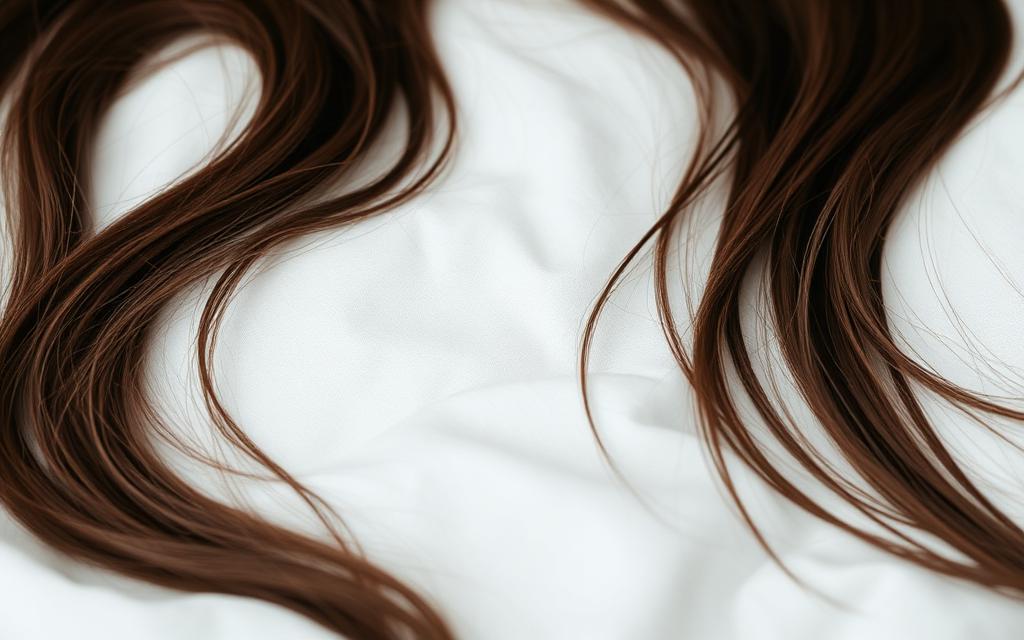
Sleeping with wet hair will not give you a cold, but it is one of the easiest ways to damage your strands and irritate your scalp. Wet hair sits in its weakest, most swollen state, and pressing it against a pillow for eight hours creates the perfect conditions for breakage and microbial growth.
If you do it once in a while, the cost is small. If you do it nightly, the cumulative damage shows up as split ends, frizz around the hairline, an itchy scalp and dull texture that no conditioner seems to fix.
The short answer
Sleeping with wet hair will not give you a cold, but it is one of the easiest ways to damage your strands and irritate your scalp. Wet hair sits in its weakest, most swollen state, and pressing it against a pillow for eight hours creates the perfect conditions for breakage and microbial growth.
If you do it once in a while, the cost is small. If you do it nightly, the cumulative damage shows up as split ends, frizz around the hairline, an itchy scalp and dull texture that no conditioner seems to fix.
Why wet hair is so fragile?
Each strand of hair is built around a protein called keratin, held together by hydrogen bonds. Water temporarily breaks those bonds, which is why hair stretches, bends and reshapes when wet. In that softened state, a single strand can stretch up to 30 percent of its original length before snapping. Dry hair, by comparison, snaps after only 2 percent of stretch.
Pressing fragile, stretchy hair into a cotton pillowcase, then twisting and turning all night, creates constant friction and tension. The result is mechanical breakage along the shaft, lifted cuticles and, over time, more split ends, frizz and thinning at the hairline where pressure is highest.
Cotton makes it worse. Its tightly woven fibers grip wet hair and pull on it every time you shift position. Silk and satin slide instead, which is why hairstylists almost universally recommend them for anyone with curly, fine or chemically treated hair.
Your scalp becomes a microclimate
The scalp is naturally warm and slightly oily. Add trapped moisture from a damp pillow and you have created an ideal environment for yeasts such as Malassezia. These organisms feed on scalp oils and, when they overgrow, can trigger or worsen dandruff, itching and a condition called seborrheic dermatitis.
People who go to bed with wet hair regularly often notice their scalp feels itchy in the morning, with small flakes appearing along the part line within a few weeks. The link is rarely obvious because the irritation builds slowly, but dermatologists routinely list damp sleeping as a factor when patients present with persistent dandruff.
The cold myth, explained
Colds are caused by viruses, not by temperature. Going to bed with wet hair will not, on its own, infect you with anything. The myth comes from older folk beliefs that cold exposure causes illness, and from the real fact that chilly conditions can disrupt sleep quality.
Poor sleep does weaken the immune system over time, which can make you more vulnerable to viruses you encounter the next day. So the link exists, but the chain runs through sleep, not directly through wet hair.
How to do it safely?
If you cannot or do not want to fully dry your hair before bed, a few small habits cut almost all of the damage:
- Rough dry your hair with a microfiber towel until it stops dripping. Avoid rubbing with a regular cotton towel, which roughens the cuticle.
- Use a low heat blow dryer to take hair to at least 80 percent dry before bed. Even five minutes makes a big difference.
- Switch to a silk or satin pillowcase to reduce friction and absorb less moisture.
- Loosely braid long hair to prevent tangling and tugging while you move.
- Apply a leave in conditioner with a heat or friction protectant before bed if breakage is already a problem.
- Sleep on a clean pillowcase. Yeast and bacteria love a damp, oily fabric surface.
Special cases that need extra care
Curly and coily hair types are especially vulnerable because the strands are thinner at the curl bends and already prone to dryness. Chemically straightened, bleached or color treated hair is also at higher risk because its protein structure is already compromised. For these hair types, sleeping with soaking wet hair will visibly accelerate breakage within weeks.
Babies and toddlers should not sleep with wet hair either, but for a different reason. Their thermal regulation is less efficient, so a cool damp head can disrupt sleep and lower core body temperature more than it would in an adult.
What dermatologists actually recommend?
When you ask a board certified dermatologist about wet hair and sleep, the answer is rarely a flat "never do it." The advice is usually a hierarchy. The best option is to wash hair earlier in the day so it air dries naturally before bed. The next best is a brief cool to medium heat blow dry. The worst is going to bed with hair still dripping and a tight bun, because the combination of moisture, friction and tension hits every weak point of the hair shaft at once.
Trichologists, who specialize in hair and scalp health, also point out that the hair near the root is most vulnerable to traction damage. Tight wet ponytails or buns held in place all night can stretch the follicle attachment and contribute to a slow form of hair loss called traction alopecia. Loose braids or a soft scrunchie give a much safer hold.
The pillowcase upgrade nobody talks about
If you change only one thing in your routine, change your pillowcase. A silk or satin pillowcase reduces friction by an estimated 40 to 60 percent compared with cotton. It also absorbs less of your hair's natural oils and any leave in product you applied, so the conditioning treatment you put in actually stays on the hair instead of soaking into the fabric.
The same upgrade benefits your skin. Cotton pillowcases create the small creases that, over years, can deepen into sleep lines on the cheeks. Silk and satin slide with the skin instead of dragging.
The takeaway
Sleeping with soaking wet hair is not a one night disaster, but as a habit it quietly compounds breakage and scalp issues. A few minutes of drying before bed, plus a smoother pillowcase, protects both your hair and the skin underneath it. Your future self with thicker ends and a calmer scalp will be glad you bothered.
Skincare disclaimer
This article is for general educational purposes only and is not medical or dermatological advice. Skincare ingredients affect every person differently depending on skin type, barrier health, allergies, hormones and the rest of your routine.
Always patch-test a new product on a small area of skin for at least 48 hours, introduce one active at a time, and stop use if you see persistent irritation, burning or breakouts. If you are pregnant or breastfeeding, on prescription topicals (retinoids, antibiotics), or treating acne, rosacea, eczema or pigmentation, speak to a board-certified dermatologist before changing your routine.
See the full site-wide Disclaimer & Notice for the complete terms that apply across dmbio.