Quick Answer
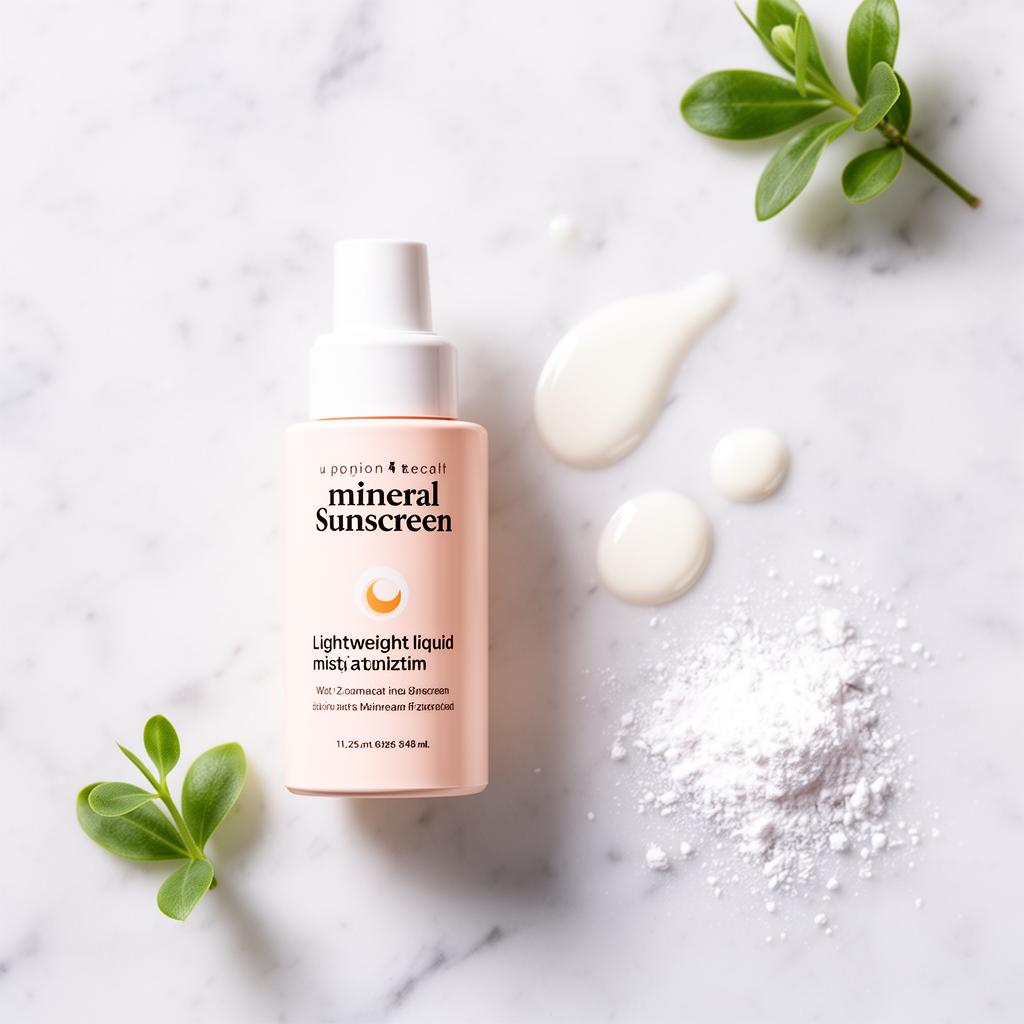
Cetaphil Sheer Mineral Face Liquid Sunscreen SPF 50 is one of the best mineral sunscreens for rosacea prone and sensitive skin because it delivers 12 percent zinc oxide in a genuinely lightweight liquid format. Unlike traditional zinc creams that feel like paste, this serum like fluid spreads effortlessly and dries to a natural, non greasy finish.
I have tested dozens of mineral sunscreens, and most fail on texture. They tug, they chalk, they sit on top of the skin like a mask.
The short answer
Cetaphil Sheer Mineral Face Liquid Sunscreen SPF 50 is one of the best mineral sunscreens for rosacea prone and sensitive skin because it delivers 12 percent zinc oxide in a genuinely lightweight liquid format. Unlike traditional zinc creams that feel like paste, this serum like fluid spreads effortlessly and dries to a natural, non greasy finish.
I have tested dozens of mineral sunscreens, and most fail on texture. They tug, they chalk, they sit on top of the skin like a mask. The Cetaphil Sheer Mineral formula is a rare exception. It is hypoallergenic, fragrance free, paraben free, and carries the National Eczema Association Seal of Acceptance. If your skin reacts to everything, this is a formula worth trying first.
This guide breaks down the liquid drop technology, the barrier supporting ingredients, how sheer it really is, and exactly how to apply it for the best protection without a white cast.
What makes the liquid drop formula different?
Traditional mineral sunscreens suspend zinc oxide in thick cream bases. At concentrations above 10 percent, those creams become paste like, difficult to spread, and prone to leaving a visible white layer on the skin.
Cetaphil solved this by suspending 12 percent zinc oxide in a fluid, silicone based vehicle. The result is a product with the consistency of a lightweight serum rather than a heavy lotion. It glides over the skin without tugging, sets quickly, and feels barely there once dry.
Because the zinc is suspended rather than dissolved, you must shake the bottle vigorously before every use. If you skip this step, the product separates into a runny liquid with inadequate protection. When shaken properly, it dispenses as a smooth, milky fluid that blends in seconds.
The ingredient spotlight: more than just zinc
Cetaphil formulated this sunscreen with a microbiome gentle philosophy. It does not just block UV rays. It actively supports skin health while you wear it:
- Vitamin E (Tocopherol): a potent antioxidant that neutralizes free radicals generated by UV exposure and environmental pollution. It also provides natural moisturizing benefits.
- Niacinamide (Vitamin B3): a holy grail ingredient for sensitive and rosacea prone skin. Niacinamide strengthens the skin barrier, reduces redness, regulates oil production, and helps even out skin tone over time.
- Bisabolol: derived from chamomile, this soothing agent reduces inflammation and keeps easily irritated skin calm in heat and sunlight.
- Allantoin: known for its skin soothing and healing properties, allantoin makes the formula comfortable for all day wear without irritation or tightness.
The formula is free of fragrance, parabens, octinoxate, and oxybenzone. It is also reef safe, which matters if you plan to wear it near the ocean.
Does it really apply sheer?
The sheerness depends on your skin tone. Because it is a liquid rather than a cream, it blends significantly better than its paste like counterparts. On fair to light medium skin tones, the white cast disappears after about 60 seconds of gentle rubbing.
On deep skin tones, a slight ashy undertone may remain because 12 percent zinc oxide is a high concentration of a white mineral. The liquid format minimizes this issue, but it does not eliminate it entirely. If you have deep skin, you may need to layer a tinted moisturizer or bronzing primer on top.
Here is the pro technique for flawless application: apply in thin layers. Dot the product onto your forehead, cheeks, nose, and chin. Blend out with your fingertips using gentle tapping motions. Give it a full minute to set. It dries to a natural, skin like finish that works beautifully as a gripping primer for makeup.
Who is this sunscreen best for?
This product excels for specific skin profiles:
- Rosacea prone skin: the all mineral filter base, niacinamide, and bisabolol actively calm redness rather than trigger it. Chemical filters often sting rosacea flare ups. Zinc oxide does not.
- Eczema prone skin: the National Eczema Association Seal means it has passed rigorous testing for non irritation on compromised skin barriers.
- Acne prone skin: zinc oxide is naturally antimicrobial. The formula is non comedogenic and free of pore clogging emollients.
- Post procedure skin: after peels, lasers, or microneedling, dermatologists recommend all mineral SPF. This is one of the most wearable options available.
It is less ideal for very oily skin types who may find the finish slightly dewy, and for very deep skin tones who may notice a subtle cast.
Real world performance and wear test
In daily use, the lightweight texture holds up well under makeup and does not pill when applied over a simple moisturizer. The finish is natural to slightly dewy, not matte. On hot days, you may need to blot the T zone after three to four hours.
The formula is water resistant for 80 minutes, meaning it holds up through light swimming and heavy sweating. Reapply immediately after towel drying. Because it is fragrance free and uses a gentle preservative system, it rarely stings the eyes during sweating.
Removal is easy. A gentle water based cleanser washes it away cleanly without requiring a dedicated oil cleanser or makeup remover.
How does it compare to other liquid mineral sunscreens?
Compared to the CeraVe Invisible Mineral Face Sunscreen, the Cetaphil formula is thinner, more fluid, and blends more quickly. The CeraVe option is slightly more hydrating due to its ceramide content, but it feels heavier on the skin.
Compared to Neutrogena Sheer Zinc, the Cetaphil liquid is dramatically more elegant. Neutrogena Sheer Zinc at 21.6 percent is thicker, whiter, and harder to blend, though it offers a higher zinc concentration for those who need maximum protection.
Compared to Supergoop Zincscreen, the Cetaphil formula is more affordable per ounce, more widely available in drugstores, and contains niacinamide for extra barrier support. Zincscreen has a more cosmetically elegant tint but costs significantly more.
The takeaway
Cetaphil Sheer Mineral Face Liquid Sunscreen SPF 50 is a top tier choice for anyone who needs robust mineral protection without the suffocating weight of a traditional zinc cream. The liquid format genuinely changes the application experience, and the added niacinamide, bisabolol, and allantoin make it a skin health product, not just a sun shield.
If you have reactive skin, rosacea, or a compromised barrier, this is one of the safest and most wearable mineral sunscreens on the market. Shake well, apply in thin layers, and give it a minute to set.
Quick recap
Cetaphil Sheer Mineral Face Liquid Sunscreen SPF 50 combines 12 percent zinc oxide with niacinamide, bisabolol, and Vitamin E in a fluid, serum like base. It is ideal for rosacea prone, eczema prone, and sensitive skin types who find traditional mineral sunscreens too heavy or chalky.
The formula is fragrance free, paraben free, reef safe, and National Eczema Association accepted. Apply in thin layers, shake before use, and reapply every two hours during extended sun exposure.
Skincare disclaimer
This article is for general educational purposes only and is not medical or dermatological advice. Skincare ingredients affect every person differently depending on skin type, barrier health, allergies, hormones and the rest of your routine.
Always patch-test a new product on a small area of skin for at least 48 hours, introduce one active at a time, and stop use if you see persistent irritation, burning or breakouts. If you are pregnant or breastfeeding, on prescription topicals (retinoids, antibiotics), or treating acne, rosacea, eczema or pigmentation, speak to a board-certified dermatologist before changing your routine.
See the full site-wide Disclaimer & Notice for the complete terms that apply across dmbio.