Quick Answer
A lift kit is worth it on a daily-driven 4x4 only if you stay in the 1 to 2 inch range and use a quality tuned suspension like Bilstein 5100, Fox 2.0, or Old Man Emu. Cheap spacer or body-block lifts ruin ride quality and steering, and extreme 3 inch or taller lifts wreck fuel economy and driveshaft angles.
The truth most builders will not tell you: a lift kit does not increase your ground clearance. Bigger tires do.
The lift kit versus ground clearance myth
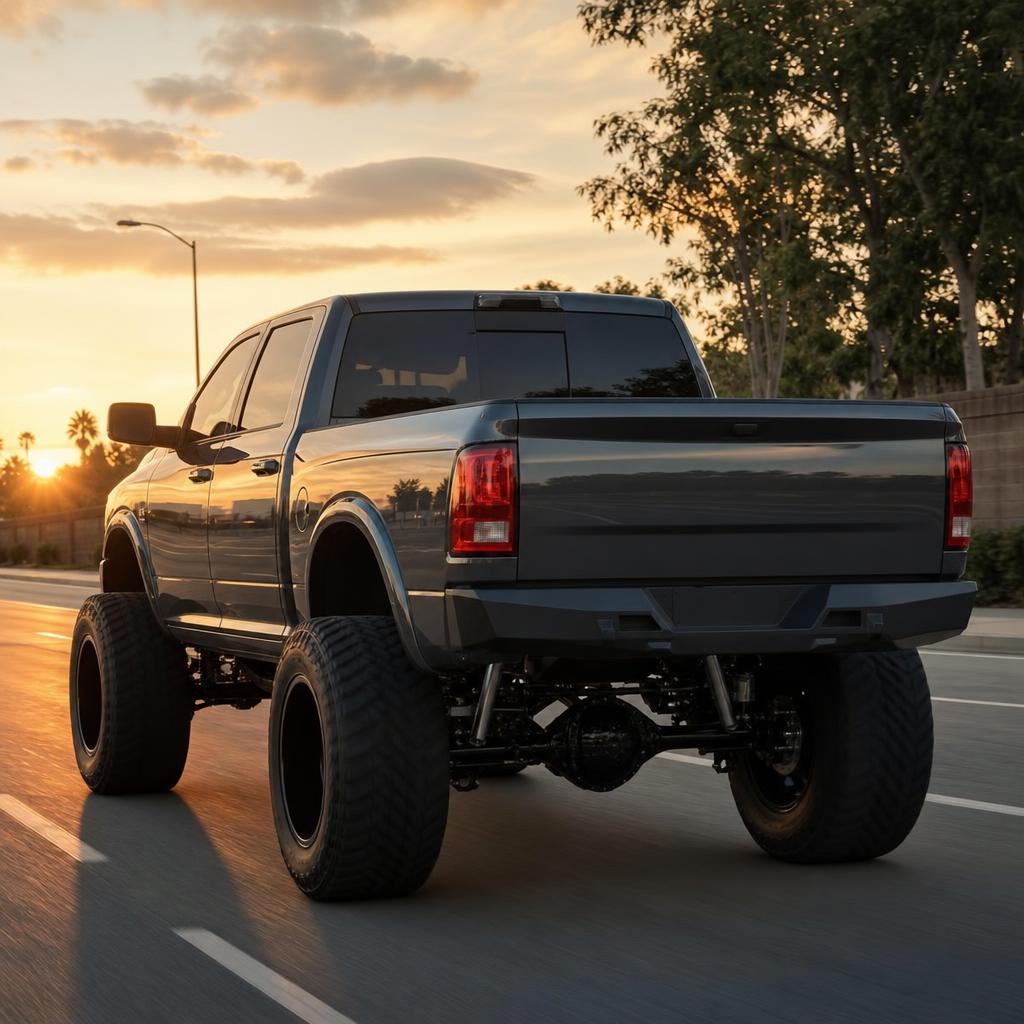
On a solid axle vehicle like a Wrangler or Ram Power Wagon, a 3 inch suspension lift raises your frame and body but the axle differentials sit at exactly the same height off the dirt. The only way to gain real underbody clearance is to fit a larger diameter tire. The point of a lift kit is to create enough wheel-well room to run those larger tires without rubbing.
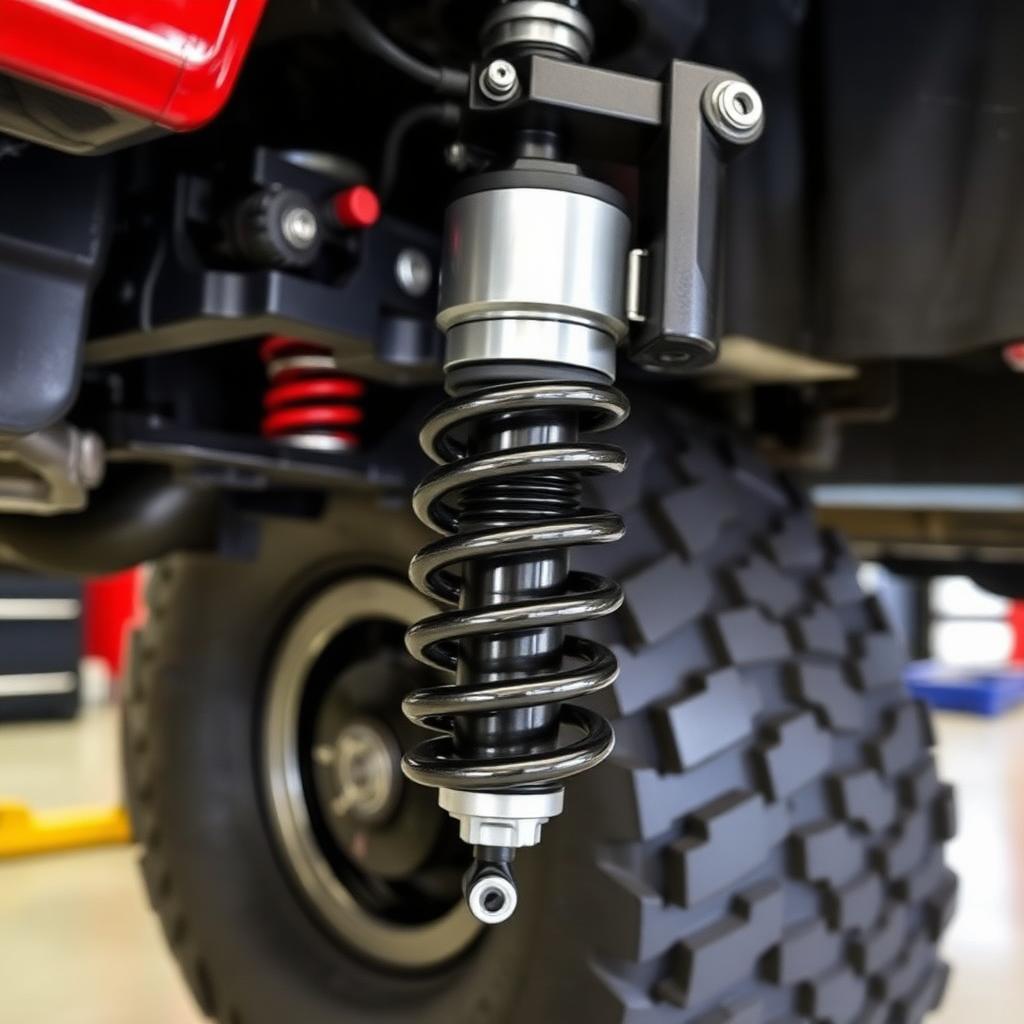
The four penalties of a bad lift on a daily driver
1. Ride quality and highway tracking
Factory suspensions are tuned across millions of dollars of R&D. Budget spacer lifts and stiff aftermarket springs frequently trash that balance, giving you a choppy ride on city potholes and a truck that wanders across highway lanes because the caster angle has shifted.
2. Driveshaft and U-joint wear
When the chassis climbs but the axles stay put, driveshaft angles get steeper. That puts continuous load on CV joints and U-joints, tears boots, and introduces vibrations that get worse above 60 mph.
3. Fuel economy
Raising the vehicle exposes more underbody to oncoming wind. Combined with heavier tires, a moderate lift and 33 inch tires can drop fuel economy by 2 to 5 mpg per fueleconomy.gov drivetrain guidance. That adds up fast on a daily commute.
4. Rollover risk and body roll
A higher center of gravity means more body roll in emergency maneuvers. On a truck that already sits tall, adding 3 or 4 inches makes evasive lane changes noticeably less stable.
The worth-it matrix
| Lift configuration | Worth it for daily driving? | Verdict |
|---|---|---|
| Cheap spacer or body-block ($200 to $400) | No | Ruins ride, no real gain |
| Premium 1 to 2 inch tuned kit (Bilstein 5100, Fox, OME) | Yes | Better ride than stock, clears 33s |
| Extreme 3 inch or taller bracket lift | Only if it is a toy | Kills mpg, causes lane drift |
Frequently asked questions
Do I need to re-gear if I lift and add bigger tires?
If you jump more than 2 inches in tire diameter (say, 31 to 34), yes. Otherwise your engine loses low-end punch and your fuel economy drops even further.
Will a lift void my warranty?
Under the Magnuson-Moss Warranty Act in the US, a modification only voids warranty coverage on the parts it directly affects. A lift can void suspension and drivetrain claims. It should not affect an infotainment or paint claim.
Are leveling kits the same as lift kits?
A leveling kit raises only the front (usually 1 to 2 inches) to match the rear ride height on trucks that leave the factory nose-down. It is one of the safest daily-driver mods.
Bottom line
Stay in the 1 to 2 inch range with a quality tuned kit and you actually improve the daily driving experience while clearing 33 inch tires. Go bigger or cheaper and you are trading real comfort for looks.
What a 1 to 2 inch quality lift actually delivers
A short quality lift is not about looks. It is about clearance for a slightly larger tire (usually a 32 or 33 inch) and about upgrading factory shocks that were tuned for empty vehicles from the factory. Bilstein 5100 series shocks at the 1 to 2 inch setting typically make a truck ride better than stock, not worse, because the digressive valving controls slow body motions tighter.
The delta shows up on the highway. Body roll through freeway on-ramps drops. Nose-dive under hard braking almost disappears. The truck tracks straight through crosswinds. Those are gains a daily commuter actually feels on Monday morning.
Common mistakes I see with daily-driver lifts
The number-one mistake is skipping alignment after installation. A 2 inch lift changes your camber, caster, and toe. If you drive it a month without a proper alignment, you will destroy the inside edges of your new tires and possibly wear out ball joints early.
The second mistake is not addressing driveshaft angle. Even a 2 inch lift benefits from a small adjustable track bar or a set of correction brackets so the pinion angle stays inside its factory tolerance range. Skip it and you get highway vibration between 55 and 70 mph.
Cost math for the 1 to 2 inch tier
A quality 1 to 2 inch tuned kit runs $600 to $1,200 for the parts. Add $150 to $250 for professional install and alignment. Total investment lands around $800 to $1,500, and you keep factory ride quality with room for 33 inch tires. Compare that to a $3,000 to $5,000 extreme lift plus $500 in follow-on driveline repairs and the value math becomes obvious.