Quick Answer
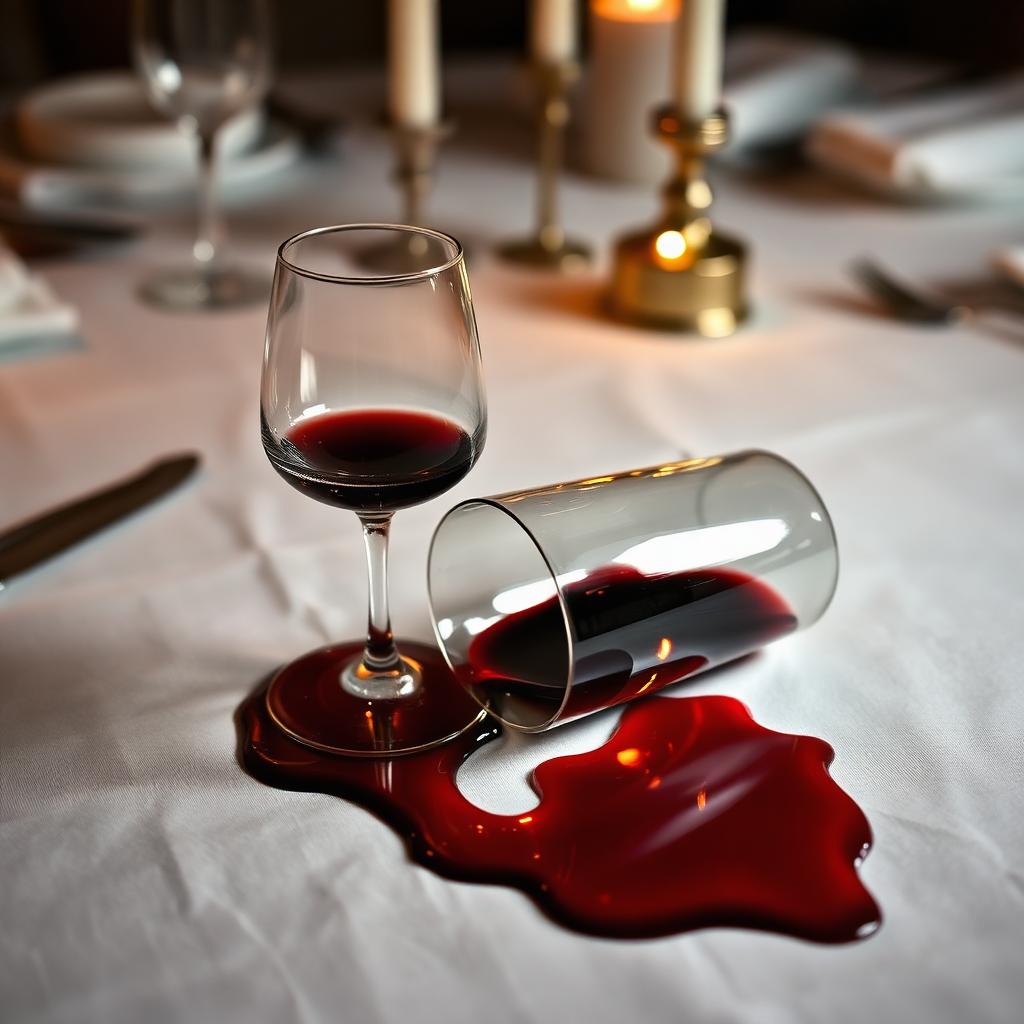
The fastest way to remove a fresh red wine stain is to blot (never rub) up the excess liquid with a dry cloth, then saturate the stain with a mixture of 3 parts 3 percent hydrogen peroxide and 1 part liquid dish soap. Let it sit for 20 to 30 minutes, then launder as usual.
For cotton or linen, you can also stretch the fabric across a bowl and pour boiling water through it from a height of 2 to 3 feet to physically blast the pigment loose. Avoid hot water, salt mounds, and aggressive scrubbing; they set the stain permanently.
Why Red Wine Is So Hard to Lift
Red wine contains chromogens (pigment molecules from grape skins) and tannins, both of which bond rapidly and tightly to natural fibres like cotton, linen, and wool. The longer the stain sits and the warmer it gets, the more permanent the bond becomes. Scrubbing with a napkin drives the pigment deeper into the weave and locks it in.
The fix is chemical: oxidise the chromogen back to a colourless compound before the bond cures.
Treatment Comparison Table
| Method | Mechanism | Best Use Case |
|---|---|---|
| Hydrogen peroxide and dish soap | Oxidises chromogens, lifts oil | Whites and colorfast fabrics, fresh or dried stains |
| Boiling water flush | Heat plus physical pressure | Cotton and linen tablecloths and shirts |
| Club soda blot | Carbonation lifts pigment | Emergency treatment at the table |
Step 1: Blot, Do Not Rub
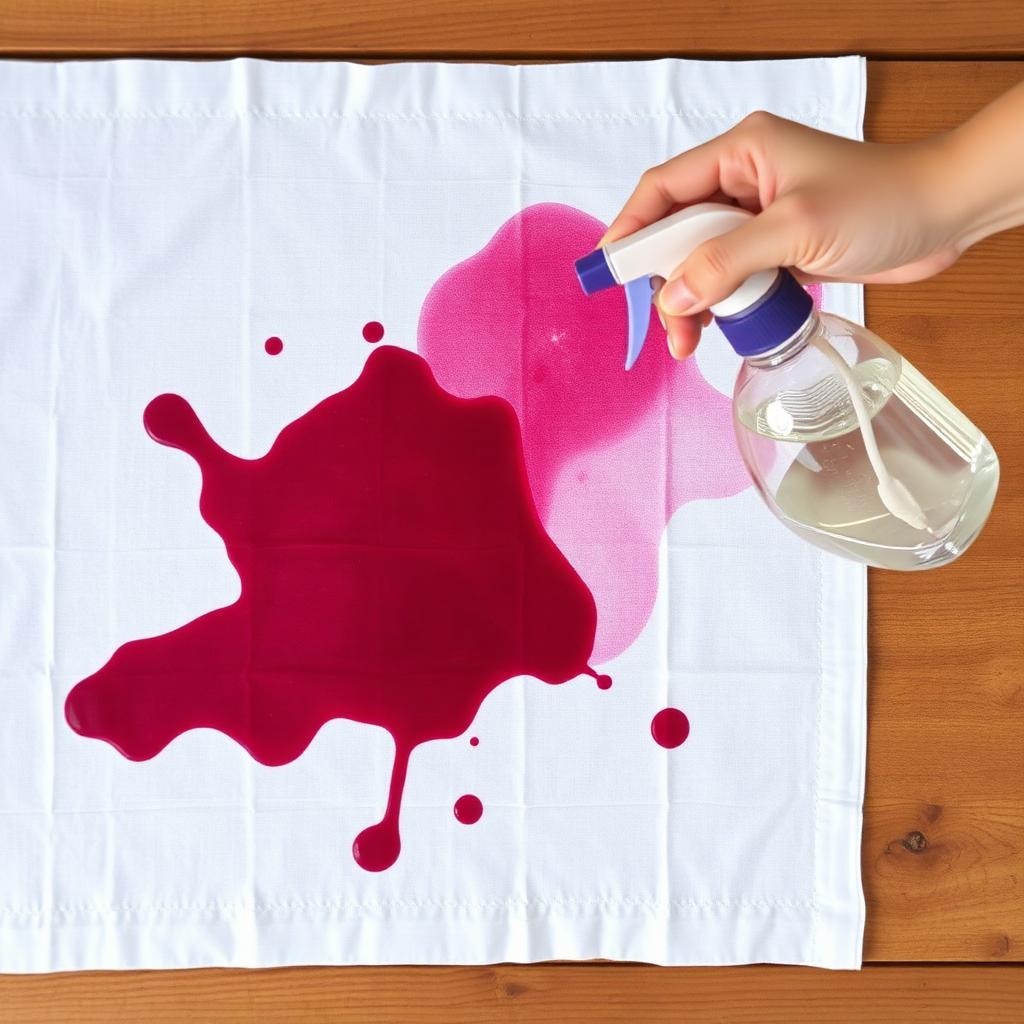
The second wine hits fabric, grab a clean dry white paper towel or microfiber cloth. Press straight down on the stain, hold for five seconds, then lift. Move to a fresh section of the towel and repeat until no more colour transfers.
Pressing absorbs the liquid still sitting on top of the fabric. Rubbing pushes the pigment sideways into adjacent threads and forces it deeper into the fibres.
Step 2: The Peroxide and Dish Soap Treatment
Mix 3 tablespoons of 3 percent hydrogen peroxide with 1 tablespoon of liquid dish soap (Dawn, Fairy, Persil all work) in a small bowl. The peroxide is a colour-safe oxidising agent that breaks the chromogen molecules apart; the dish soap surrounds the residual oils and pulls them out of the fibre.
Dab the mixture onto the stain with a clean cloth until the fabric is fully saturated. Leave undisturbed at room temperature for 20 to 30 minutes. The stain will visibly fade from purple to pale pink to nothing.
Patch test on coloured fabrics first; peroxide can lighten some dyes. If the test patch loses colour, skip this method and go straight to a commercial enzyme stain remover instead.
Step 3: The Boiling Water Flush for Cottons
For cotton or linen tablecloths and shirts, the boiling water flush is dramatic and effective.
Stretch the stained area tightly across the open mouth of a large heatproof bowl or the kitchen sink. Secure with a large rubber band around the lip. Boil a full kettle. Stand on a step stool and pour the boiling water through the stain in a steady stream from a height of 2 to 3 feet.
The combination of high temperature and physical pressure forces the pigment back out through the open side of the fabric and into the bowl below. The wine will visibly stream out. Throw the garment straight into the washing machine when you are done.
Step 4: The Club Soda Emergency at a Restaurant
If the spill happens at a dinner party with no peroxide in sight, ask for plain club soda or sparkling water. Blot the excess first, then pour the club soda onto the stain. The carbonation bubbles physically lift wine pigment out of the fabric, and the slightly alkaline water dilutes the tannins. Keep blotting fresh fluid through with a white napkin every minute or two until you can get home and apply the proper peroxide treatment.
What Not to Do
Do not pour hot water (above 40 degrees Celsius outside of the boiling flush method) on a fresh stain; warm water sets protein and tannin stains permanently. Do not pile mounds of table salt on the stain; the old salt trick absorbs surface liquid but pushes the pigment deeper into the weave. Do not put the garment in a hot dryer until you are certain the stain is gone; the dryer heat will bake it in for life.
Dried-In Stains
If you discover the stain hours or days later, the peroxide and dish soap mix still works, just give it 60 minutes to soak. For really stubborn old stains, soak the entire item overnight in a solution of oxygen-based bleach (such as OxiClean) before laundering. Avoid chlorine bleach on coloured fabrics; it will leave a worse stain behind.
The Takeaway
Blot, do not rub. Treat with peroxide and dish soap, or flush cotton with boiling water from above. Avoid heat until the stain is fully gone. Move fast and even a glass of vintage Bordeaux on a white shirt is recoverable.