Quick Answer
Shop with a written meal plan, store produce properly (cold for berries, room temperature for tomatoes and bananas), keep a "use first" shelf at eye level in the fridge, and dedicate one weeknight to a freestyle leftover meal. Those four habits cut household food waste by 40 to 60 percent in EPA tracked pilots.
The savings are real. A US family of four wastes roughly $1500 of food each year, per USDA.
How Much Food Americans Throw Out
The EPA estimates that the US wasted 66 million tons of food at the consumer level in 2022, with households responsible for roughly 40 percent of total food waste in the supply chain. That translates to about a pound per person per day. Most of it ends up in landfills, where it produces methane (a greenhouse gas 80 times more potent than CO2 over 20 years).
The Four Habits That Actually Work
1. Plan before you shop. Write down five dinners for the week before you make a grocery list. Buy only what those dinners need plus a few flexible staples (eggs, greens, frozen vegetables). Households that meal plan waste 25 percent less, per a 2022 study in Sustainability.
2. Store produce correctly.
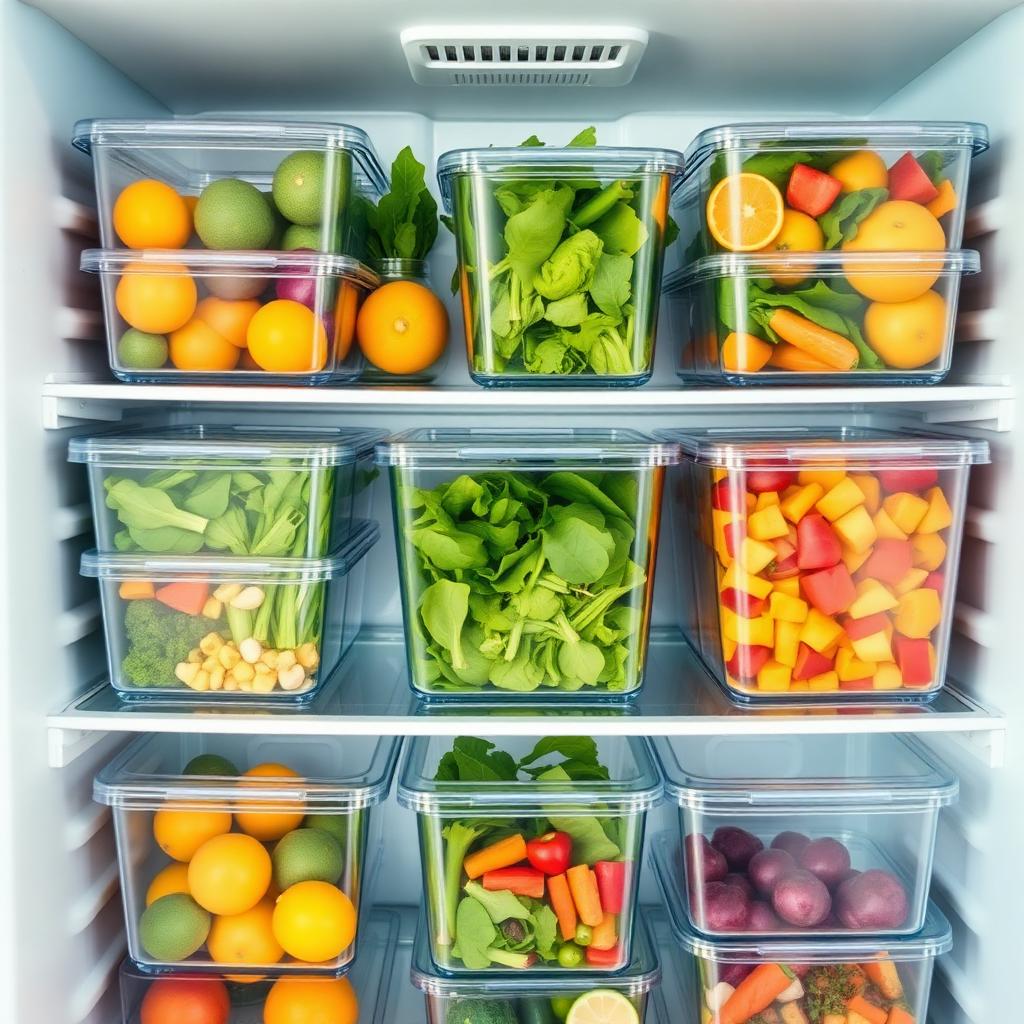
- Refrigerate: berries (lined paper towel, 5 days), leafy greens (damp towel + bag, 7 days), broccoli (bag, 5 days), carrots (water-filled container, 2 weeks).
- Room temperature: bananas, tomatoes, onions, potatoes, garlic, winter squash.
- Keep apples separate. They release ethylene, which ripens neighbors.
3. Run a "use first" shelf. Place anything within three days of going off on a dedicated shelf at eye level. Out of sight is the single biggest cause of fridge waste.
4. Plan one freestyle leftover dinner per week. Soup, stir fry, frittata, fried rice and grain bowls all absorb random leftovers without recipes.
Date Labels Mostly Do Not Mean What You Think
USDA FSIS is explicit: "best by", "sell by" and "use by" dates on most foods (except infant formula) are quality indicators set by manufacturers, not safety expirations. Many shelf-stable foods are good for months past the printed date. Use your senses: smell, look, taste a tiny piece. Eggs that sink in water are still good even past their date.
What Freezes Better Than You Think
- Bread (slice first, toast from frozen)
- Milk (in original carton, leave 1 inch headspace)
- Cheese (shredded freezes best, sliced is fine for cooking)
- Herbs (chop and freeze in olive oil in ice cube trays)
- Bananas (peel first, freeze in chunks for smoothies)
- Cooked grains, beans and soups in flat freezer bags
Restaurant and Takeout Waste
USDA tracking shows that one third of household food waste comes from leftovers that were never reheated. Pack restaurant leftovers in a container you actually want to eat from, label with the date and put them at the front of the use-first shelf. Anything that has been refrigerated more than four days goes in the freezer or in tomorrow's lunch.
Compost What Cannot Be Eaten
Coffee grounds, eggshells, vegetable peels and produce trimmings should not go in the trash. Even a small balcony compost bin or a municipal compost pickup keeps the methane footprint down. The EPA estimates that residential composting could divert 30 million tons of food waste from US landfills.
Track Waste for One Week
Keep a notebook on the fridge for seven days and write down everything that gets thrown away. The pattern (always the spinach, always the half loaf of bread, always the second pint of milk) tells you exactly what to stop buying.
Bottom Line
Food waste at home is mostly a habits problem, not a knowledge problem. Plan, store smart, eat leftovers, ignore most date labels, and you cut waste in half. The household savings buy back the equivalent of a small grocery shop every month.
Common Questions About Reducing Food Waste
What is the single most impactful change?
Meal planning before shopping. Households that plan waste 25 to 30 percent less than those that shop without a list.
Are best-by dates a safety risk?
Almost never. Per USDA FSIS, those dates are quality indicators set by manufacturers. Trust your senses.
What about leftover restaurant food?
Refrigerate within 2 hours, eat within 4 days, freeze if you will not get to it by then. Pack restaurant leftovers in a container you actually want to eat from.
Does composting really help?
Yes. Diverting food waste from landfill cuts methane emissions. Even a small balcony bin or municipal pickup makes a measurable difference.
One Week of Use-Up Dinners
Monday soup: simmer wilting vegetables, leftover beans and broth into minestrone. Tuesday fried rice: cold cooked grains, frozen peas, soy sauce and an egg. Wednesday frittata: any leftover roasted vegetables plus 6 eggs and a handful of cheese. Thursday quesadilla: any leftover meat, cheese and salsa in a tortilla. Friday grain bowl: bowl base with whatever protein, vegetable and sauce is left. That rotation alone can clear 70 percent of the items destined for the trash in a typical week, and the cooking is faster than following a fresh recipe each night.
To reduce food waste at home you need habits, not gadgets. Plan, store, label, eat.