Quick Answer
To pick a standard pin tumbler door lock you own, insert a tension wrench into the bottom of the keyway, apply very light rotational pressure in the direction the key would turn, then use a pick to lift each pin one at a time until you feel it set. When all pins are set, the cylinder rotates and the lock opens.
This is a legal practice on locks that belong to you, on training locks, or on locks you have explicit written permission to test. Picking someone else's lock without permission is a crime in nearly every jurisdiction.
Expect to spend hours on a clear practice lock before you can open even a basic deadbolt reliably. Real residential locks add security pins and tighter tolerances that slow the process down further.
The Tools You Actually Need
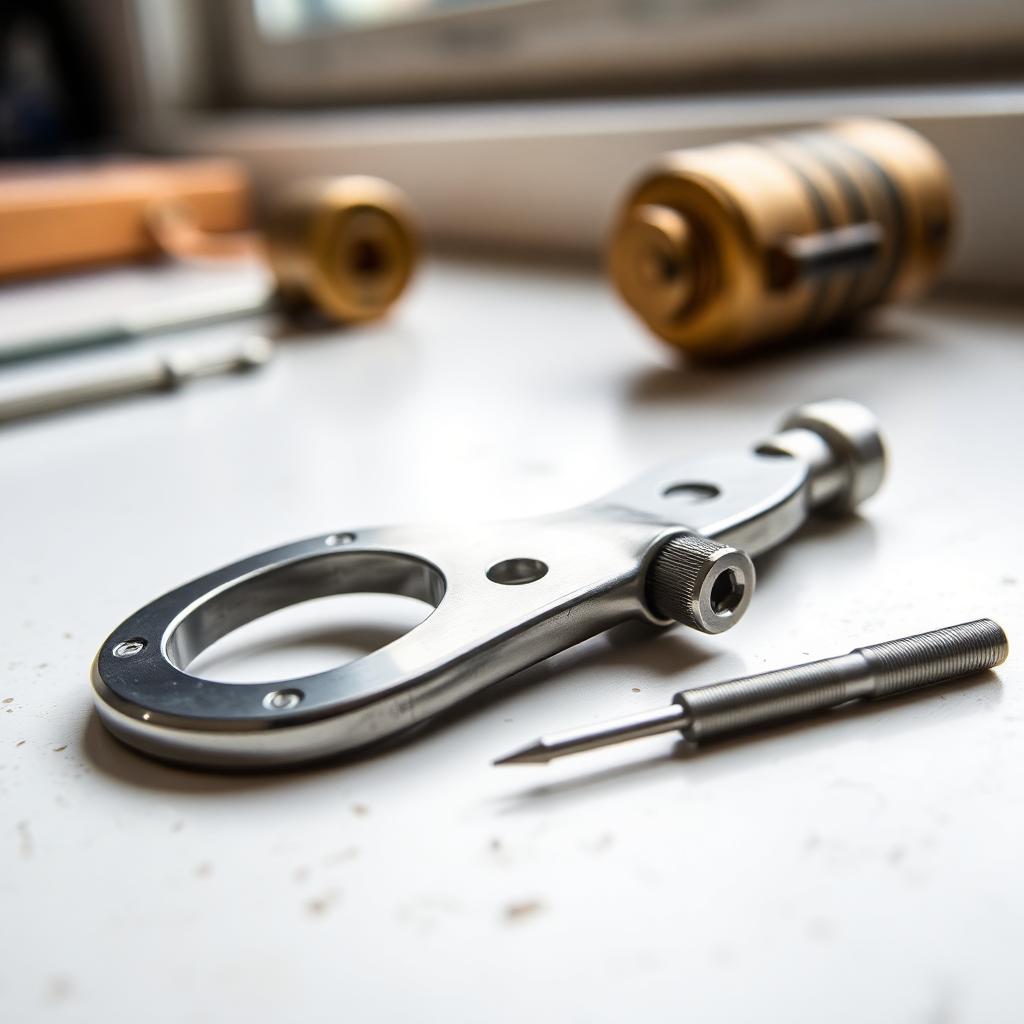
A basic kit is a tension wrench (the L-shaped flat piece), a hook pick for single pin picking, and a rake for fast initial attempts. Anything more is optional until you understand what each tool is doing.
Why Light Tension Is the Whole Game
The most common beginner mistake is squeezing the tension wrench too hard. Heavy tension binds the pins so tightly that you cannot feel them set. Most instructors describe correct tension as roughly the weight of a coin resting on the wrench.
Single Pin Picking Step by Step
Apply light tension. Push the hook pick in past the back pin. Lift each pin gently and feel for the slight click as it sets. Move forward one pin at a time. When the final pin sets, the cylinder rotates under your tension.
Legal and Ethical Notes
In the US you can legally own picks in most states, but using them on a lock you do not own or have permission to test is criminal. In the UK, possession with intent to commit burglary is the offence, so context matters. Stick to locks you bought specifically to practice on.
More Practical Notes on Lock Picking Basics
Beyond the headline answer, the real question of pick a door lock safely usually depends on your exact version, hardware, or in-game settings. Game updates, firmware patches and regional release dates all shift the landscape, so treat the guidance here as a starting point and confirm against the official patch notes or product manual before you act on it.
Common Mistakes to Avoid
The single most common mistake on pick a door lock safely is assuming the rule from one platform or one game version carries across to another. Mojang, Roblox, Pearl Abyss and the lock manufacturers all ship breaking changes between updates, and outdated forum posts are everywhere on Google. Always check the publish date on whatever guide you follow.
Quick Recap
To summarise the takeaway on pick a door lock safely: confirm the version or model you are dealing with, follow the documented behaviour above, and only deviate when you have a clear reason and a way to reverse the change. That keeps your base safe in game and your front door safe in real life.
Extra Notes on Safe Lock Picking (Part 1)
One subtlety on pick a door lock safely that most quick summaries skip is platform drift. The exact behaviour described above is correct as of the latest mainstream patch at the time of writing, but every major game and every lock manufacturer ships changes on a quarterly cadence. If you are reading this six months later, scan the official changelog before you trust the steps verbatim.
Another subtlety is local context. A door, lock or in-game base behaves differently in a humid coastal region, on a heavily modded server, or under a specific firmware revision. Whenever a result on pick a door lock safely surprises you, write down the exact version, hardware revision or world seed you were on. That single note will save hours of debugging later.
Finally, treat any single forum reply as one data point rather than a final answer. The reliable sources for pick a door lock safely are the official wiki, the manufacturer support portal, or a tested gameplay video published within the last quarter. Cross check at least two of those before changing anything important about your base, lock or door setup.
Understanding Why Picking Works at All
A pin tumbler lock has stacks of two pins in each chamber: a key pin below and a driver pin above. Turning the plug is blocked because the driver pins cross the shear line between plug and housing.
No lock is machined perfectly. The chambers are drilled fractionally out of line, so when you apply light rotational tension one pin binds first. Setting that pin at the shear line lets the plug rotate a few thousandths of an inch, which then binds the next pin. Picking is simply finding and setting each binding pin in turn.
Practising Without Damaging Anything
Start with a cutaway practice lock or a progressive pinning kit where you can add one pin at a time. Working on your own front door is the worst way to learn, because a broken pick inside the cylinder means a locksmith call and a new lock.
Too much tension is the beginner mistake that causes damage as well as failure. The correct pressure is roughly what you would use to hold a sheet of paper against a table without creasing it. If pins are not springing back when you release the pick, you are pushing far too hard.