Quick Answer
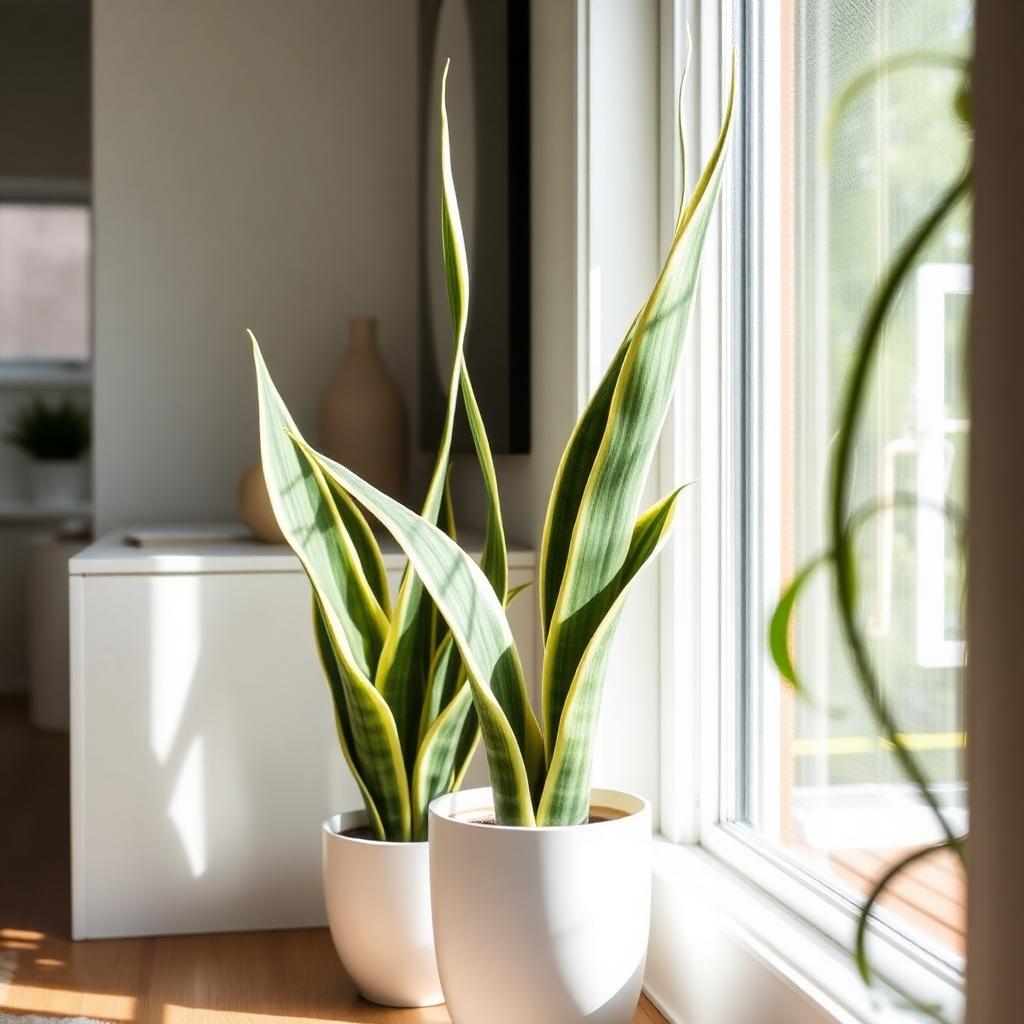
Water a snake plant (Dracaena trifasciata, formerly Sansevieria) only when the top half of the soil is completely dry. In a bright room during spring and summer that lands at roughly once every two to three weeks. Through autumn and winter, drop to once every four to eight weeks, and in cold dim rooms sometimes longer.
The number one cause of dead snake plants is overwatering. When in doubt, wait another week.
Why the Snake Plant Is So Drought-Hardy
The snake plant comes from arid regions of West Africa and uses Crassulacean Acid Metabolism (CAM) photosynthesis. Most houseplants open their leaf pores during the heat of the day and lose huge volumes of water to evaporation. CAM plants flip that schedule: they keep their pores shut all day and open them only at night, when the air is cool and humid, locking carbon dioxide away as malic acid for daytime photosynthesis.
That single adaptation cuts water loss by up to 90 percent. Add a network of thick underground rhizomes that store moisture and you have a plant designed to outlast neglect.
Seasonal Watering Benchmarks
| Season | Typical Interval | Soil Target |
|---|---|---|
| Spring and summer | Every 2 to 3 weeks | Top half of pot completely dry |
| Autumn transition | Every 3 to 4 weeks | Cut volume in half as growth slows |
| Winter dormancy | Every 6 to 8 weeks | Soil bone-dry through entire pot |
Step 1: Test Before You Water
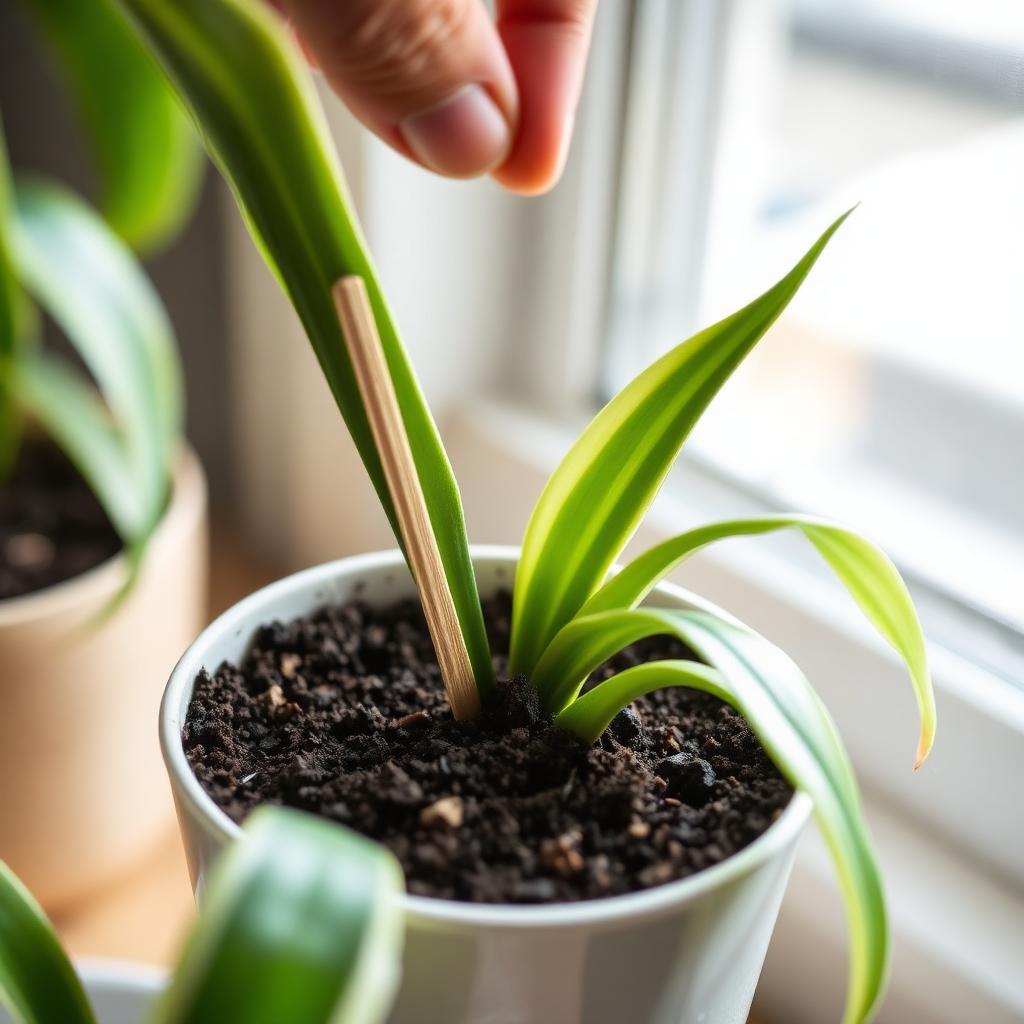
Skip the calendar. Push a dry wooden skewer down to the bottom of the pot and pull it out. If it comes out clean and dry, water. If any moist soil clings to it, wait.
For pots under 8 inches, the lift test is even faster: a fully dry pot feels weirdly light, while a moist one has a noticeable heft.
Step 2: Water Deeply, Drain Completely
When the soil tests dry, take the plant to the sink and water steadily until liquid runs out the bottom. Let it drain for 15 minutes, then return it to its display spot. Never leave the pot standing in a saucer of water; the snake plant's shallow rhizomes will rot within a week.
Variables That Change the Schedule
Pot material: terracotta dries the fastest, glazed ceramic and plastic hold moisture longer. Push the interval out by 30 percent in plastic.
Pot size: a 10-inch pot of dense compost takes far longer to dry than a 4-inch nursery pot. Always test, never assume.
Light level: a snake plant in a south-facing window photosynthesizes more and drinks more than one in a dim corner. The "indestructible plant in any dark corner" reputation is half true; it will survive there, but it will also need water only every six to eight weeks.
Heating and humidity: forced-air heating in winter dries soil faster than you would expect. Check every two weeks even in dormancy if the house is hot.
What Overwatering Looks Like
Yellowing, mushy, falling leaves and a slightly sour smell from the soil are classic rot symptoms. Unpot the plant, trim away any black mushy rhizome with a sterilised knife, dust the cuts with cinnamon (a natural antifungal), and repot into fresh dry, gritty cactus mix. Wait a week before the next watering.
What Underwatering Looks Like
Wrinkled or curling leaves with a slightly bent posture mean a long thirst. The fix is simple: a deep soak. The plant will plump back up within two days.
The Takeaway
Snake plants are CAM-powered drought specialists. Test the soil, water deeply only when the top half is dry, drain completely, and stretch the interval through winter. Treat neglect as a feature, not a flaw, and your snake plant will outlive your sofa.