Quick Answer
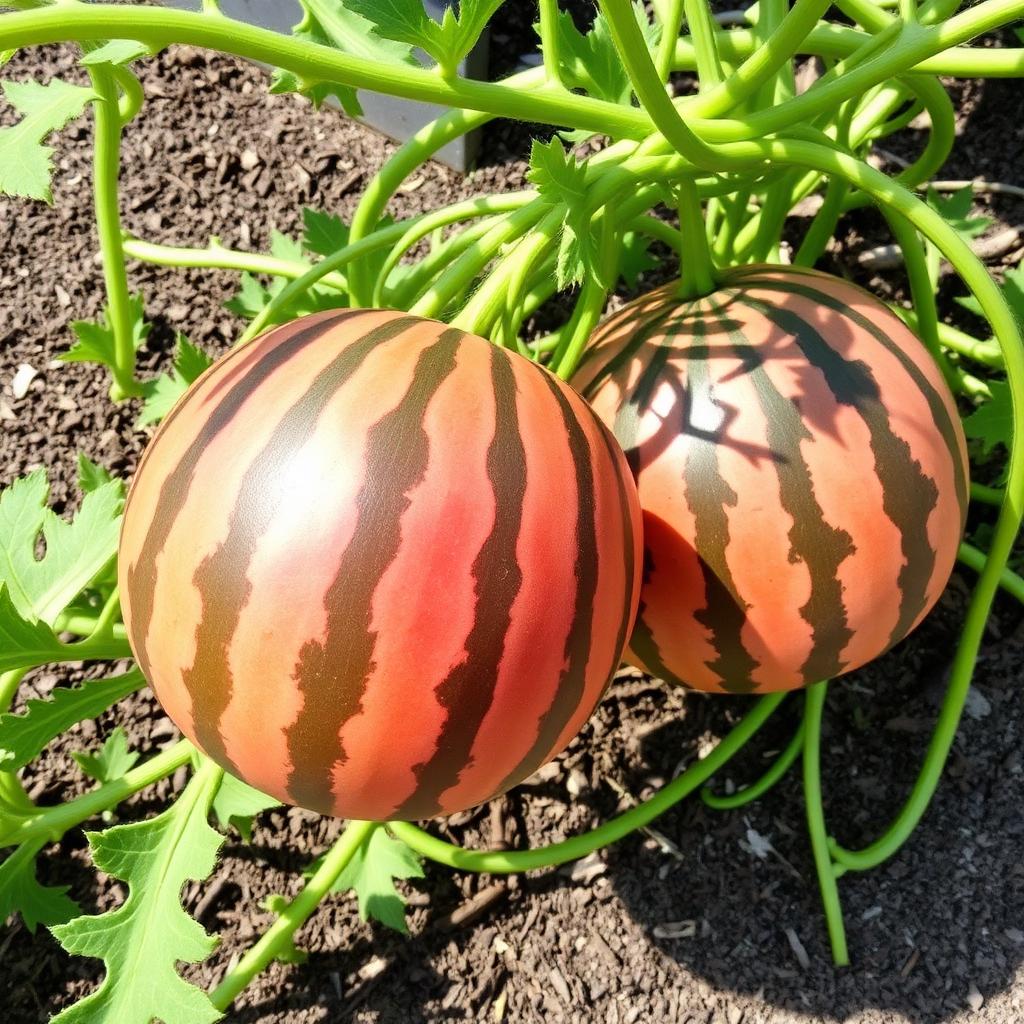
A standard picnic sized watermelon plant produces two to four fruits per vine over a season. Small icebox varieties like Sugar Baby can carry three to six melons. Giant exhibition types are limited to a single fruit per vine if you want it to reach prize weight.
The numbers shift based on how you manage the vine. Left alone, a plant sets dozens of flowers, but it will only ripen a handful and the rest abort. If you cull surplus fruits early, the remaining melons grow larger and sweeter.
1. Yields by variety class
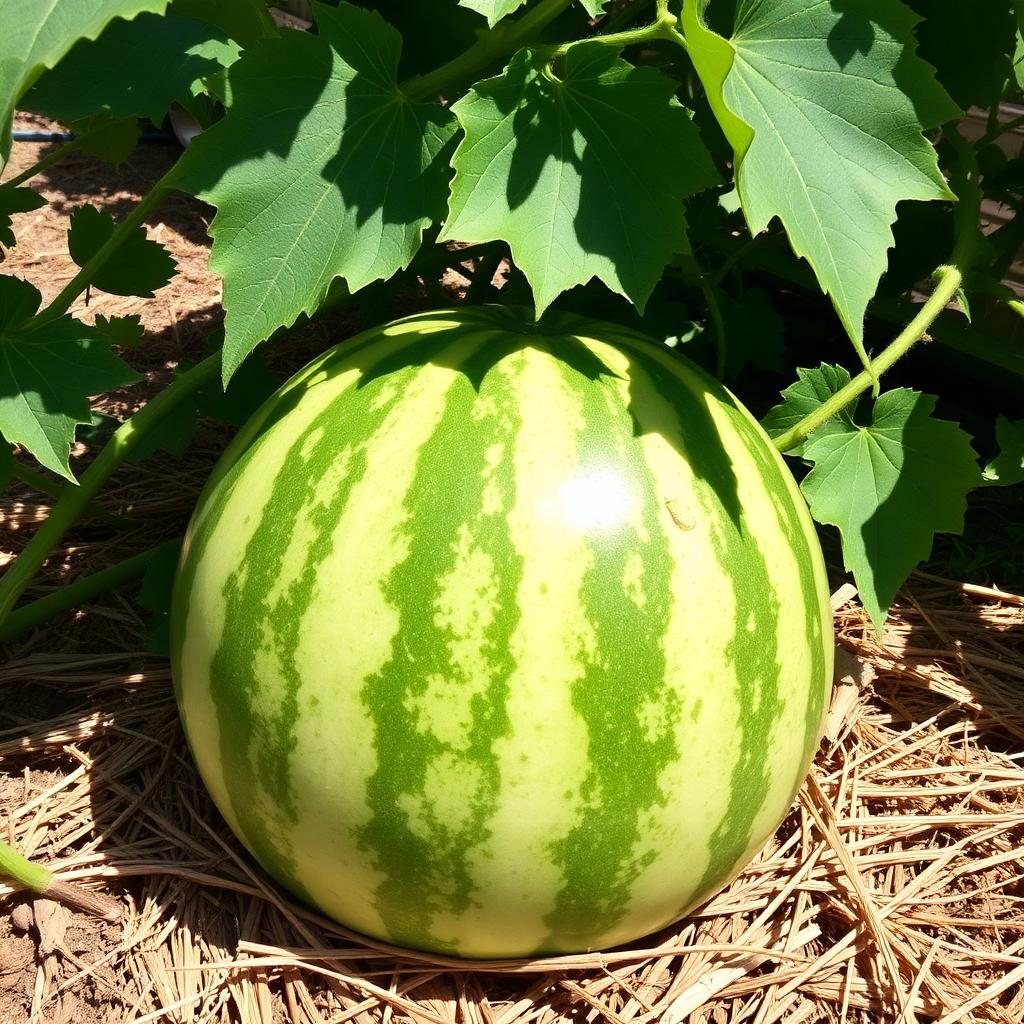
Watermelon (Citrullus lanatus) varieties fall into rough size classes, and each has its own realistic ceiling.
- Icebox or personal size (Sugar Baby, Mini Love, Golden Midget): five to ten pound fruits, three to six per healthy vine.
- Picnic standard (Crimson Sweet, Charleston Gray, Jubilee): fifteen to thirty pound fruits, two to four per vine.
- Giant or exhibition (Carolina Cross, Big Tom): fifty pounds and up, one fruit per vine maximum.
- Seedless triploid (Tri X 313, Triple Crown): twelve to twenty pound fruits, two to three per vine, requires a pollinator variety nearby.
Those are good results from a well fed, well watered vine in full sun. Stress, poor pollination, or compact short season climates cut the numbers in half.
2. Why the vine sets more flowers than it can ripen
A watermelon plant produces separate male and female flowers on the same vine. Males open first to bring pollinators in, then females follow. A healthy mature vine can open dozens of female flowers across the summer.
The plant cannot ripen all of them. Once two or three fruits are growing well, the vine sends a hormonal signal that aborts new sets. Late season female flowers usually yellow and drop. This is not a problem, it is the plant balancing its energy.
3. Pollination is the first bottleneck
Every female flower needs at least eight bee visits to set a properly shaped fruit. Skip pollination and the baby melon will be lopsided or yellow and fall off within a week.
If you grow in a pollinator poor area, hand pollinate at sunrise. Pick a freshly opened male flower, peel back the petals, and dab the central stamen onto the stigma of a female bloom (the female has a tiny melon shape at its base).
4. The culling trick for sweeter fruit
Brix, the measurement of sugar content, is what separates a watery supermarket melon from a sweet homegrown one. Brix rises when the plant has fewer mouths to feed.
Once your vine has set two or three good softball sized fruits on the main runners, snip off every new female flower and every newly forming fruit for the rest of the summer. All sugar then funnels into those few fruits. Expect Brix readings of eleven to thirteen instead of the eight to nine you get from an unmanaged vine.
5. Spacing and feeding
Crowded vines compete and produce less. Give each plant a six foot circle, more for giants. Feed with a balanced fertiliser at planting, switch to a higher potassium feed once fruits set, and water deeply once a week, more in heat. Cut back on water in the final two weeks before harvest to concentrate sugars.
6. Knowing when to pick
Yield numbers only matter if you pick at the right time. Three signs together mean ripe:
- The curly tendril closest to the fruit stem has dried brown.
- The pale belly spot where the melon sits on the ground has turned creamy yellow.
- A thump on the rind gives a deep hollow sound, not a sharp tinny ping.
Picked too early, the melon will never ripen on the counter. Picked too late, the flesh turns grainy.
The takeaway
Expect two to four fruits from a standard picnic variety, three to six from an icebox type, and exactly one from a giant. Help the plant by pollinating well, culling surplus fruit, and feeding correctly, and the melons you do get will be far sweeter and far bigger than any supermarket equivalent.