Quick Answer
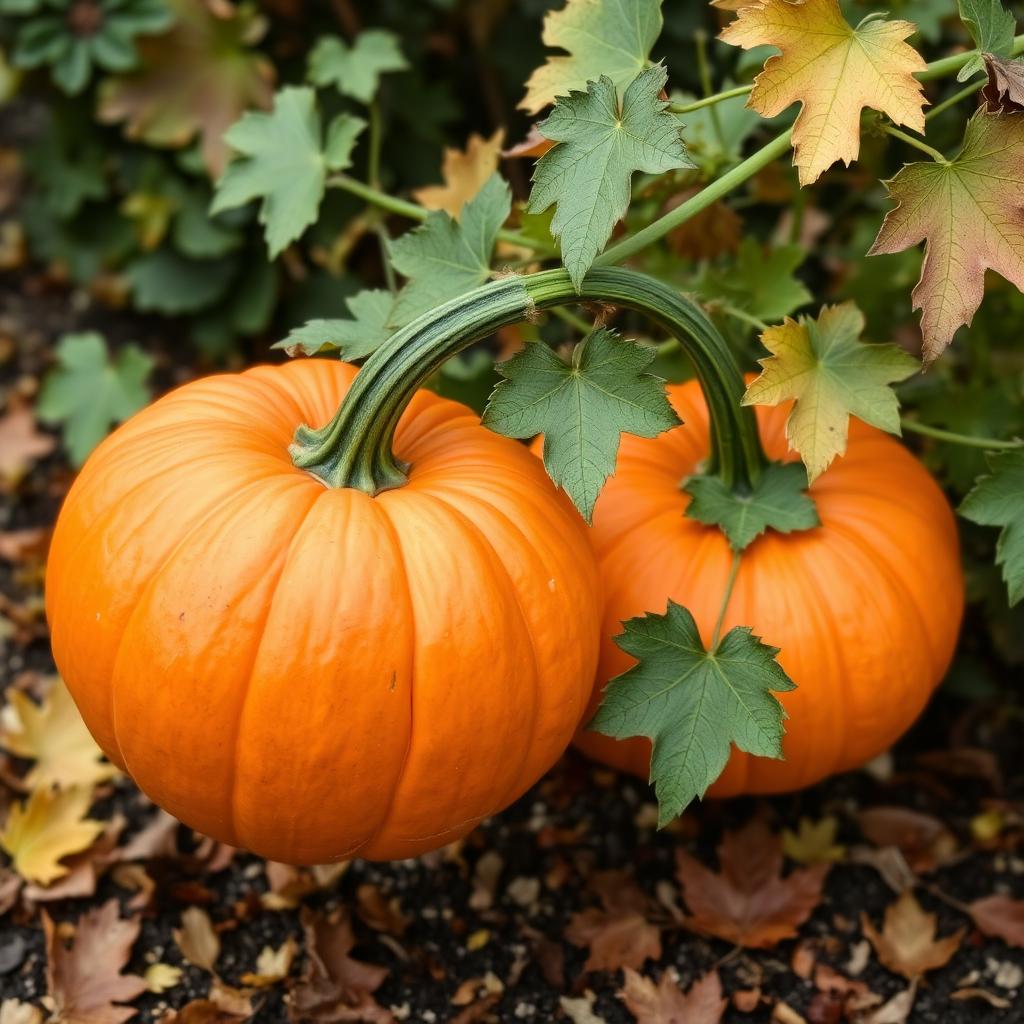
One pumpkin plant produces between 1 and 12 pumpkins depending on the variety. Mini decorative varieties yield 8 to 12 small fruits per plant. Standard pie pumpkins yield 3 to 5. Large carving pumpkins yield 1 to 2. Giant contest pumpkins are pruned to exactly 1.
Yield depends on variety, growing season length, soil fertility, and how aggressively you thin the fruits. More pumpkins means smaller pumpkins. Fewer pumpkins per vine means bigger heavier fruit.
Why Yield Varies So Much
Pumpkin plants do not have unlimited energy. Every fruit that sets on the vine pulls water, sugars, and nutrients from the same root system. Set too many fruits and they all stay small. Set fewer and the plant funnels everything into the survivors.
The plant itself knows this. A healthy vine sets up to 10 female flowers across the season but naturally aborts later blossoms once a few fruits have started to swell. Smart growers help that process with selective pruning.
Mini and Decorative Pumpkins
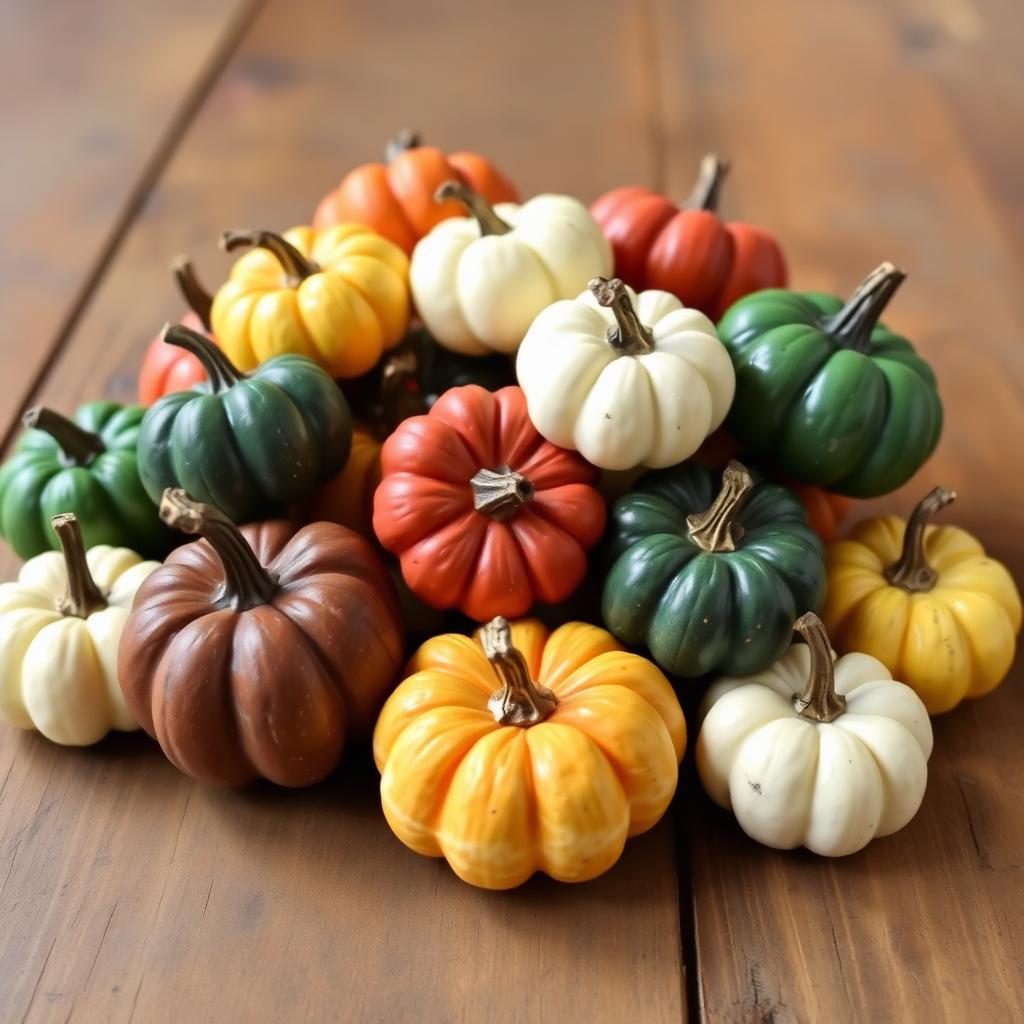
Tiny ornamental varieties like Jack Be Little, Baby Boo, and Munchkin produce the highest fruit count of any pumpkin type. The fruits weigh under 2 pounds each, so the plant can sustain many at once.
- Average yield: 8 to 12 per plant.
- Fruit weight: 0.5 to 2 pounds.
- Best use: autumn decor, place settings, painted craft pumpkins.
Let these varieties grow freely. No pruning required.
Pie and Sugar Pumpkins
Cooking varieties like Sugar Pie, Winter Luxury, and New England Pie yield medium sized fruit ideal for purees and baked pies. The plant can typically support 3 to 5 fruits to full ripeness.
- Average yield: 3 to 5 per plant.
- Fruit weight: 4 to 8 pounds.
- Best use: pie filling, soup, roasted seeds.
If you want larger uniform fruit, let the first four blossoms set and pinch any later female flowers.
Large Carving Pumpkins
Classic jack o lantern varieties such as Howden, Connecticut Field, and Autumn Gold are bred for size, not number. Each fruit weighs 15 to 30 pounds and requires huge resources to fill.
- Average yield: 1 to 2 per plant.
- Fruit weight: 15 to 30 pounds.
- Best use: Halloween carving and porch display.
Allow only the first 2 well set fruits to develop. Cut off any later female blossoms so the plant pours its energy into those two.
Giant Contest Pumpkins
Varieties like Atlantic Giant and Big Max are bred for prize winning weight. A single plant grows one massive fruit that can exceed 1,000 pounds in expert hands.
- Average yield: exactly 1 per plant.
- Fruit weight: 100 to 1,500 plus pounds.
- Best use: weigh ins, county fairs, social media bragging.
Competitive growers select the single best fruit at golf ball size and prune every other female flower immediately. They also tip prune the vine and feed daily with kelp, fish emulsion, and calcium.
How to Boost Your Yield
If your harvest is lower than expected, the cause is almost always one of these factors:
- Poor pollination. Pumpkin flowers need bees. If you do not see bees, hand pollinate by transferring pollen from a male flower to a female flower with a soft brush.
- Hungry soil. Pumpkins are heavy feeders. Side dress with compost and a high potassium fertilizer once flowers appear.
- Lack of water. Vines need 1 to 2 inches of water per week. Skipping waterings during fruit set causes blossom drop.
- Crowding. Vines need at least 6 feet of spread to support heavy fruit.
When to Stop New Fruit Setting
About 6 weeks before your first expected autumn frost, pinch off every new female flower on the vine. Late blooms cannot ripen before frost and only drain energy from existing fruits.
At the same time, slide a piece of cardboard or straw under each maturing pumpkin to protect it from rot from wet soil.
The Takeaway
One pumpkin plant can yield anywhere from a single giant trophy to a dozen mini pumpkins, depending entirely on what you plant. Match the variety to your goal, prune for size or freedom for quantity, and feed and water generously. Plan your patch around your harvest target instead of hoping for luck.