Quick Answer
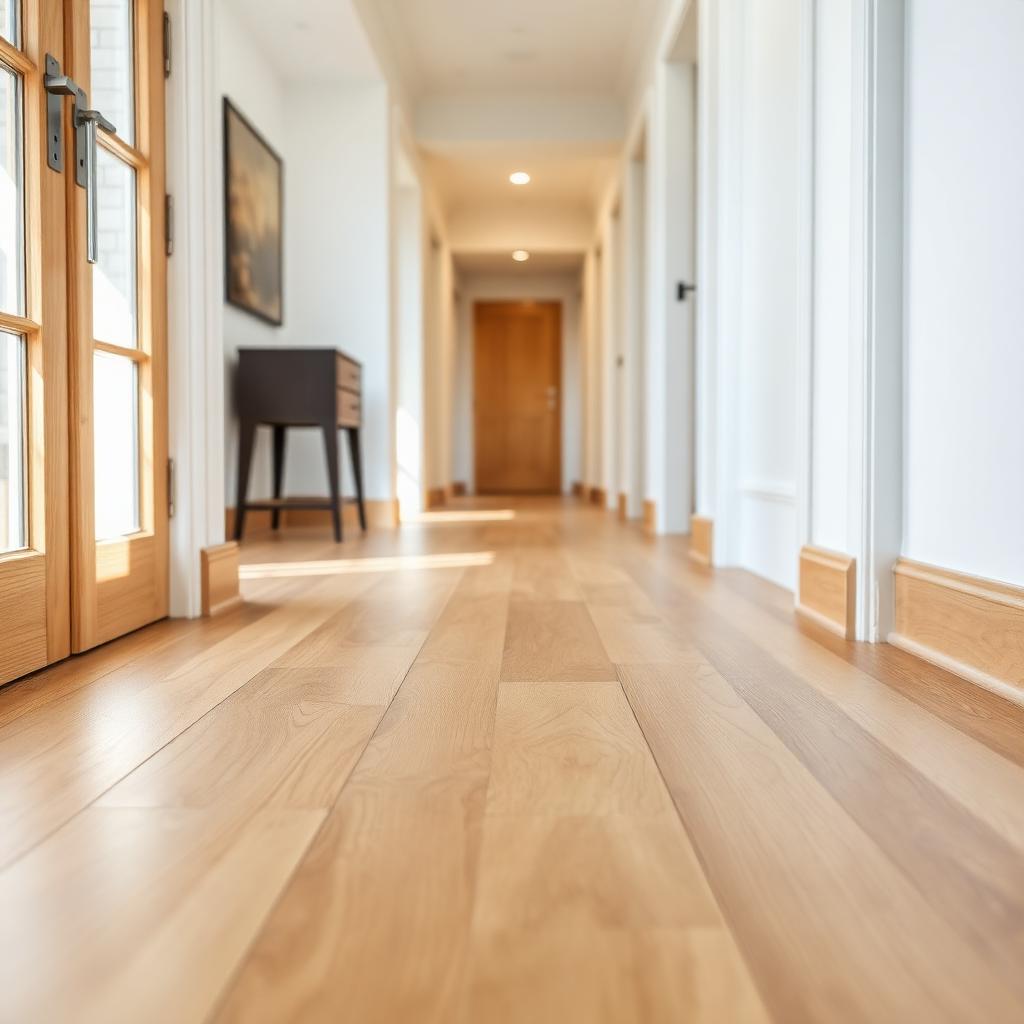
Modern laminate flooring lasts 15 to 25 years in a typical home, with premium AC5-rated commercial laminate stretching to 30. Builder-grade AC3 laminate in a high-traffic family room or hallway is on the shorter end, often 10 to 15 years before the wear layer starts to dull.
Two things sink laminate early: water damage at the seams and heavy abrasion (sand, grit, pet claws). Address those two and the floor will outlast most warranties.
AC Rating to Lifespan
- AC1: light residential (closets, bedrooms). 5 to 10 years.
- AC2: general residential. 10 to 15 years.
- AC3: heavy residential / light commercial. 15 to 20 years.
- AC4: general commercial. 20 to 25 years.
- AC5: heavy commercial. 25+ years.
Water Is the Real Killer
The core of laminate is high-density fibreboard (HDF), which swells permanently when it gets wet. Even "water-resistant" laminate is only resistant for 24 to 72 hours of pooling. Dishwasher leaks, pet accidents left overnight and damp mopping cycles are what end most laminate floors before their wear layer wears out.
Keep it dry, wipe spills inside an hour, and never wet-mop. Use a barely damp microfiber.
How to Stretch the Lifespan
- Walk-off mats at every exterior door (sand is laminate's #2 enemy).
- Felt pads under every furniture leg.
- Trim pet nails monthly.
- Maintain 35 to 55 percent indoor humidity year-round.
- Keep one carton in the basement for future plank swaps.
Additional Considerations
Long-term performance of any flooring choice ultimately depends on the prep work, the climate it sits in, and how the household uses it. A floor in a family of four with two dogs will age twice as fast as the same product in a quiet two-person home. Factor that into the value calculation, not just the sticker price per square foot.
Resale value is the other half of the conversation. Real-estate agents consistently report that updated flooring is one of the top three return-on-investment renovations, alongside kitchen refresh and bathroom updates. The NAR Remodeling Impact report puts hardwood refinish at roughly 147 percent ROI and new hardwood at about 118 percent.
If you are choosing between two products at similar price points, lean toward the one with the longer wear warranty, the thicker top layer, and the better customer-service reputation. Reviews from professional installers are more useful than reviews from one-time homeowner buyers, since pros see hundreds of installs and know which products call back the most warranty claims.
Finally, do not skip the post-install maintenance schedule the manufacturer publishes. A 30-minute weekly routine plus an annual deep clean keeps the warranty intact and the floor looking new well past the half-life of the product.
Frequently Asked Questions
Does the answer change for rental properties?
The general guidance holds, but landlords usually optimise for durability over aesthetics, so they lean to the cheapest waterproof option that will survive turnover after turnover.
What about radiant heat?
Always confirm your flooring choice is rated for radiant heat (most rigid-core LVP is, solid hardwood usually is not). Manufacturers publish a maximum subfloor temperature, typically 82°F (28°C).
How long should I let the materials sit before installing?
48 hours in the room of installation is the safe default for laminate and LVP. Engineered hardwood needs longer, often 7 to 14 days, until its moisture content is within 2 to 4 percent of the subfloor.
Does the same answer apply in the UK?
Mostly yes. UK retailers like B&Q, Wickes and Carpetright sell the same product categories with similar specs, though pricing and brand names differ.
Pro Tips From the Trade
- Buy 10 percent extra. You will cut waste at every wall and inside every doorway. Pros budget 10 percent overage on rectangular rooms and 15 percent on rooms with diagonals or lots of cutouts.
- Keep a few planks aside. Future repairs need a colour and lot match. Stash at least one full carton in the garage or basement, ideally from the same production run.
- Photograph the install. Snap pictures of the subfloor, vapour barrier, expansion gaps, and any transitions before the baseboards go on. Warranty claims often hinge on documentation.
- Save the receipts and lot numbers. Almost every flooring warranty requires proof of purchase and the production lot to be honoured.
Climate and Humidity Set the Real Ceiling
Laminate is a high density fibreboard core with a printed layer and a wear coat on top, and the core is the part that decides lifespan. Fibreboard is stable in a dry, temperature controlled home and unstable where indoor humidity swings widely across the year.
In practice, the same AC4 plank can look fine at 25 years in a climate controlled house and show visible edge swell inside 12 years in a humid coastal home with no dehumidification. Keeping indoor relative humidity between roughly 35 and 55 percent does more for lifespan than any product upgrade you can buy.
Signs the Floor Is Reaching End of Life
- Chipped or swollen plank edges, especially at doorways and in front of sinks.
- A hollow or clicking sound underfoot, which usually means the underlayment has compressed.
- Joints that no longer sit flush and catch on socks.
- Visible wear paths where the printed layer has dulled through the wear coat.
Edge swell is the one that cannot be repaired. Once the core has taken on water and expanded, individual planks have to be replaced, and matching an older decor pattern is often impossible.
Bottom Line
Flooring decisions sit at the intersection of budget, lifestyle and resale value. Get the prep right (flat, dry, clean subfloor; correct underlayment; proper acclimation) and even a mid-priced product will look and perform like a premium one. Cut corners on prep and even the most expensive plank will telegraph every flaw underneath.