Quick Answer
Walmart is upgrading its US regional distribution centers with high density automated storage and AI driven sorting systems through 2026. The retrofitted facilities use autonomous mobile robots, dense vertical racking and machine vision to cut the time between a truck arriving at the back dock and stock hitting the store shelf from days to a matter of hours.
CEO Doug McMillon told investors that supply chain capital spending is on track to "peak" over the next two years before easing, signaling that the heaviest investment phase is happening right now.
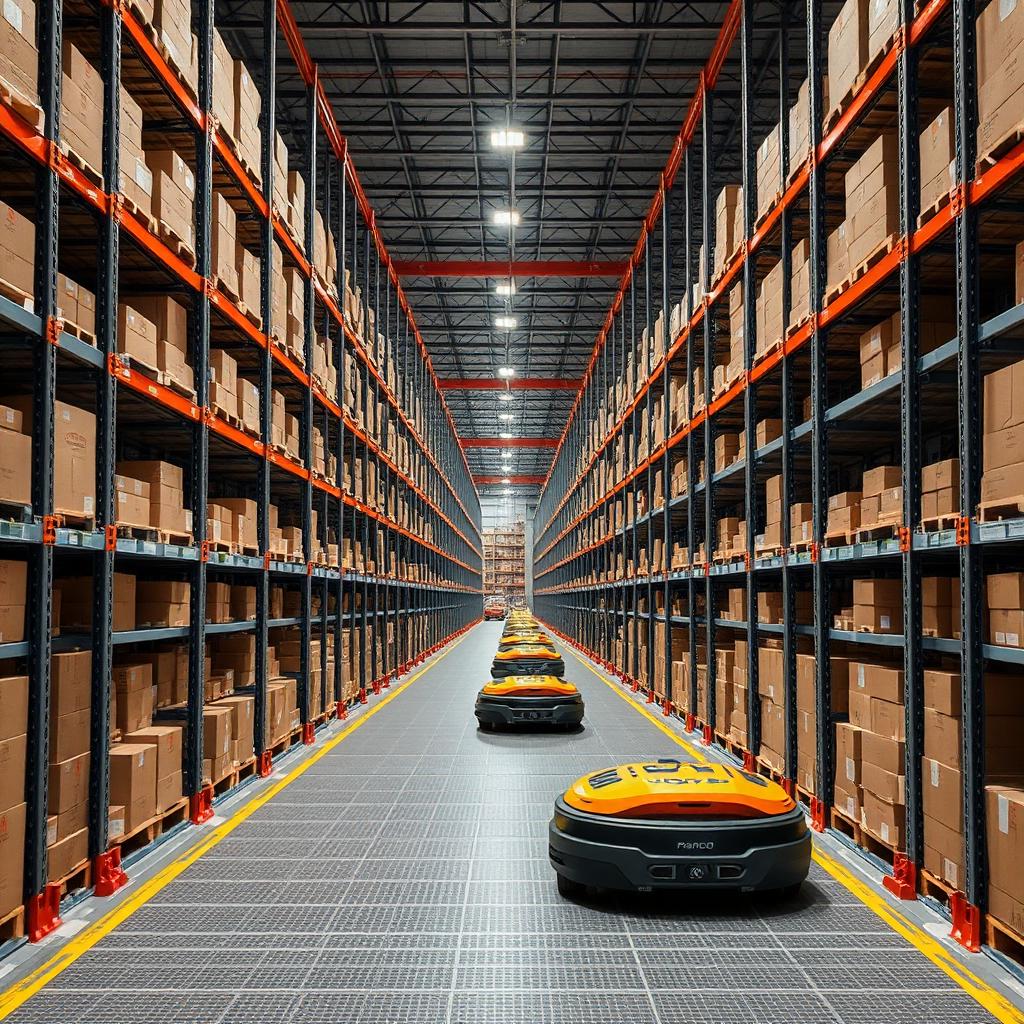
What Walmart Is Actually Building
Per reporting from Supply Chain Dive, Retail Dive and Business Insider in June 2026, the rollout combines three layers of technology inside a single retrofitted distribution center:
- High density automated storage and retrieval systems, where tall vertical racks hold inventory in dense grids and robotic shuttles pull cases on demand
- Autonomous mobile robots that move totes and pallets across the floor without fixed conveyor lines
- Machine vision and AI software that reads case labels, predicts store level demand, and routes goods to the right outbound trailer
Walmart has confirmed expansion projects at its Louisiana, Texas and other regional sites, including an 8 million dollar additional phase at a Texas facility, according to Retail Dive's coverage of June 22, 2026.
How It Changes the Back of the Truck
The traditional regional distribution model used a lot of manual lifting. A truck pulls in, workers unload pallets, sort cases by department, then build outbound pallets for delivery to specific stores. That process commonly takes a day or more, especially when seasonal volumes spike.
In the automated centers, robotic shuttles pick cases directly from dense storage as soon as store level demand is recalculated. Outbound pallets are built to a store's actual aisle map, so when the case arrives at the store, the back room work is minimal. Business Insider's June 10, 2026 piece reports that store workers in pilot regions saw truck unload time fall sharply because the cases were already pre sorted in store ready order.
Why Walmart Is Spending Now
Two things are pushing the timing. First, labor inflation has stuck around longer than retailers expected, and the cost of running a manual distribution center has continued to climb. Automating the heaviest, most repetitive parts of the workflow caps that line item over time. Second, ecommerce growth is forcing the network to handle far more single item picks per store than it used to, which the old pallet centric model was never designed for.
Walmart's Q1 fiscal 2027 results, summarized by Diginomica's interview with US CEO John Furner, showed global ecommerce sales up 26 percent and a 7.3 percent revenue rise to 177.8 billion dollars. The pitch to investors is that automation pays for itself through lower per unit handling costs, faster store replenishment and tighter inventory levels that protect margin during inflationary periods.
What It Means for Shoppers
The benefits show up indirectly at store level. The most concrete changes shoppers should notice are:
- More reliable in stock rates on high turn items, because store level demand updates flow back to the regional center faster
- Faster curbside pickup turnarounds, because inventory accuracy and ecommerce picking are tightly integrated
- Less price drift on staples, because automated handling makes Walmart's per unit costs more predictable in a period of broader food inflation
None of this is a price cut by itself. But it gives Walmart room to hold the line on Everyday Low Price commitments even as supplier costs move around.
What It Means for Workers
Automation reshapes the distribution center workforce more than it shrinks it overall. Walmart has paired its rollout with training programs to move associates from manual case handling into roles supervising robots, doing exception handling, maintaining the automated equipment and running data analysis. The store side benefits too, because less time spent unloading trucks frees associates for customer facing tasks.
The pattern matches what other major retailers, including Amazon and Kroger, have publicly described. Where the automation lands on a particular worker depends heavily on the role and the site.
How This Compares to Amazon
Amazon has been on this curve for more than a decade with its Kiva based fulfillment centers, and its newer Sequoia and robotic sortation deployments operate at a deeper level of automation than most Walmart sites today. What Walmart has that Amazon does not is roughly 4,600 stores acting as forward fulfillment nodes, which means each regional automation upgrade has a bigger leverage effect on store level service than it would for a pure ecommerce player.
Bottom Line
Walmart's 2026 distribution center automation push is one of the largest single supply chain upgrades in US retail. The combination of dense storage, autonomous mobile robots and AI sorting is designed to shorten the unload to shelf clock, protect margins against inflation and keep ecommerce promises on time. Expect more announcements through 2026 as additional regional sites are converted.