

Quick Answer
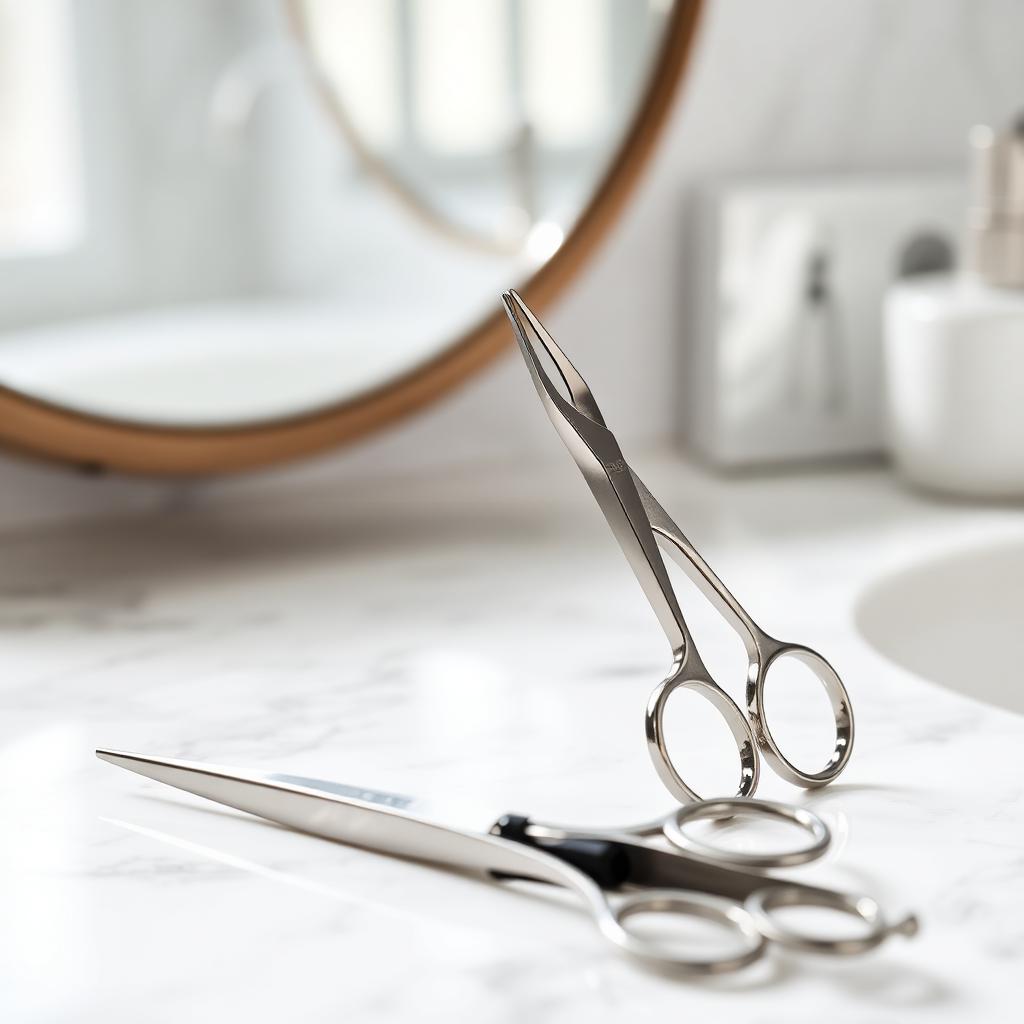
Groom eyebrows conservatively: brush them into their natural direction, identify a few hairs you genuinely want to remove, and trim or tweeze one at a time with clean tools. Work in good light with a stable mirror, and keep sharp tips away from the eye and eyelid.
I would start with less removal than seems necessary and reassess from a normal viewing distance. Brow shape is a personal choice, not a rule tied to gender. Avoid home brow dye, IPL near the eyes, and waxing irritated skin or skin made vulnerable by certain medicines.
Decide what you want to change
Full brows, connected brows, gray hairs, and uneven arches are normal variations. You do not need to change them for hygiene. If your goal is simply to reduce a few long hairs, trimming may achieve it without removing hairs from the root.
Look at your relaxed face straight ahead before using a magnifying mirror. Decide whether the concern is length, an isolated stray, or overall shape. Trying to correct every difference between the two sides often leads to taking off more than intended.
Mapping lines from the nostril to the brow can provide a rough cosmetic reference, but they do not define the only correct start, arch, or endpoint. Facial proportions vary. Do not remove healthy brow hairs solely because they fall outside a rigid pencil diagram.
Choose simple, controllable tools
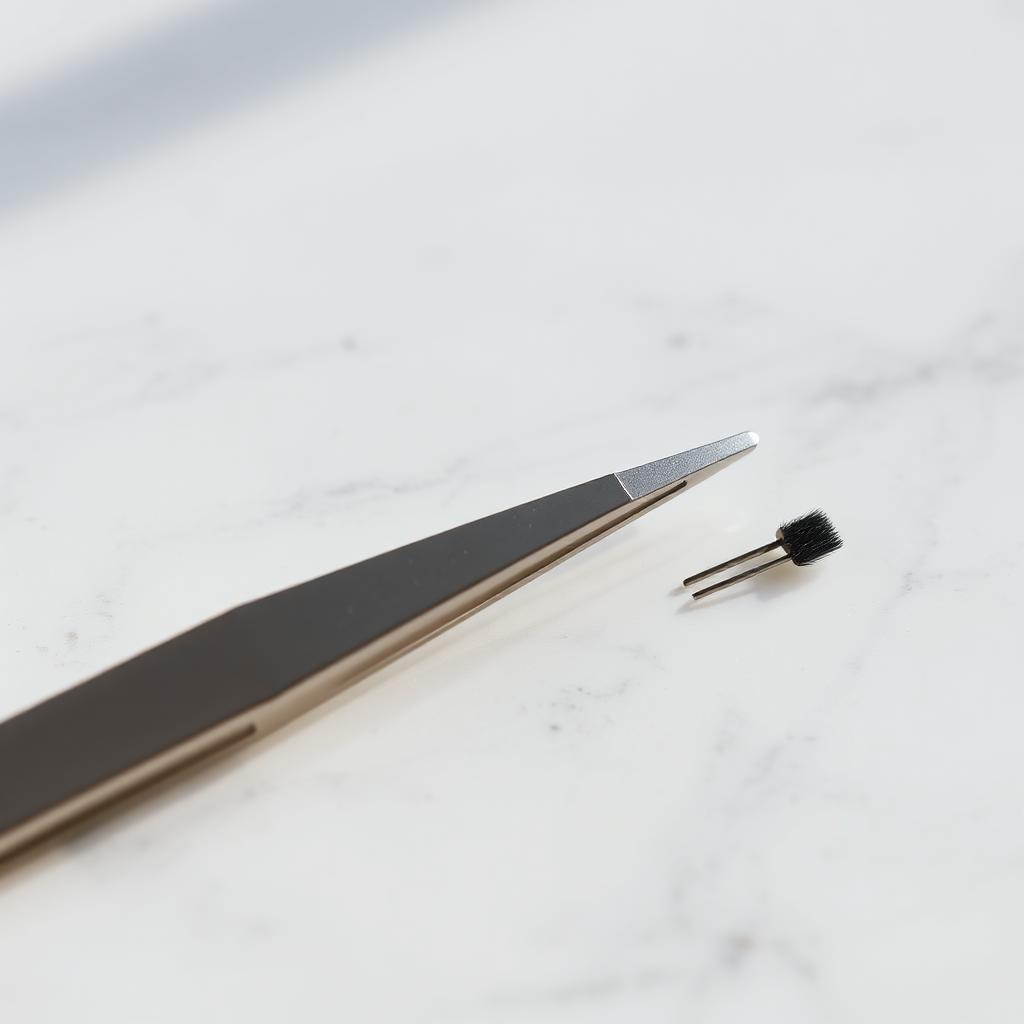
A clean spoolie or fine brow comb helps arrange hairs so you can see their length. Small tweezers with aligned tips can grip a single hair without repeated pinching. Choose a grip and tip shape you can control rather than a particular brand or metal finish.
If trimming, use a small grooming tool designed for the task, with good visibility and a comfortable handle. Rounded tips can reduce some risks but do not make scissors safe near a moving eye. A guarded brow trimmer may suit some people if used exactly as directed.
Do not groom in a moving vehicle, rush while distracted, or work where a child or pet can bump your arm. If you have a tremor, reduced vision, or difficulty controlling the tool, consider professional help or a method that avoids sharp tips near the face.
Prepare skin and equipment
Wash your hands and gently cleanse the brow area. Remove makeup so individual hairs and skin are visible. Warm water may feel comfortable, but pores do not open and close like doors, and there is no need for hot water or steaming.
Clean reusable tools according to their instructions and let them dry. Remove hair and debris from tweezer tips before storage. Do not share tools without appropriate cleaning, and postpone grooming if the brow area has a rash, open sore, or infection.
Check your current skin-care and medicine routine. Retinol, prescription retinoids, acne treatments, recent peels, and other procedures can affect sensitivity. Ask your clinician before waxing or otherwise removing hair from skin that is fragile, inflamed, or healing.
Trim length without creating gaps
Brush hairs gently in the direction they normally lie, then lift a small section enough to identify an unusually long tip. Trim only that visible excess rather than cutting a straight line across the entire brow. Brush back into place before deciding whether another cut is needed.
Avoid pressing blades against the skin or pointing tips toward the eye. Keep your supporting hand out of the cutting path. If you cannot clearly separate the hair from the surrounding brow, leave it alone rather than guessing.
Gray hairs do not require special removal. Trimming a long gray hair can preserve fullness if that is your preference. Pulling it out will not make several gray hairs grow back, but repeated removal can leave a sparse area while you wait for regrowth.
Tweeze only selected hairs
Choose one clearly visible hair outside the area you want to keep. Hold the surrounding skin gently steady without pulling the eyelid toward the tool. Grip the hair near the skin without pinching the skin itself, then pull in the direction of growth.
Pause after a few hairs and look from farther away. Do not keep alternating sides to chase perfect symmetry. Avoid plucking hairs directly on the eyelid or reaching toward the eye with pointed tweezers; those locations are better left to an appropriately trained professional.
Tweezing can cause irritation, ingrown hairs, or follicle inflammation. Repeated trauma may damage follicles, but not every plucked hair becomes permanently thinner. Regrowth varies, so do not rely on a promised timetable if you accidentally remove more than planned.
Know the limits of waxing, creams, and tinting
Wax can remove skin as well as hair, particularly when the skin is sunburned, sensitive, or affected by retinoids. AAD advises against waxing after recent isotretinoin use and recommends precautions around facial retinoids. Discuss your exact treatment with the prescriber rather than guessing a safe waiting period.
Depilatory creams are not automatically suitable around brows. Use a product only where its label specifically permits, and never improvise near the eye. A skin patch test does not protect the eye from chemical injury if a cream drips or spreads.
FDA guidance advises against dyeing or tinting eyebrows or eyelashes at home. Do not substitute scalp hair dye, bleach, or an internet recipe. A product marketed as natural can still cause a reaction or serious eye irritation.
Home IPL devices are not brow-shaping tools. Do not use them on eyebrows, eyelids, or near the eyes, even with eyes closed or improvised protective glasses. Facial-use permission elsewhere does not establish safety for the brow area.
Aftercare and troubleshooting
For mild temporary redness, stop grooming and use a clean cool compress if comfortable. Avoid rubbing, picking, and applying multiple fragranced products. A simple product you already tolerate may be preferable to trying a new botanical gel on freshly irritated skin.
Seek medical advice for spreading redness, pus, increasing pain, significant swelling, or a persistent rash. Eye pain, a change in vision, or an injury from a tool requires prompt medical attention. Do not continue grooming around a swollen eye.
If a cosmetic product enters the eye, rinse promptly with clean lukewarm water and follow the product's first-aid instructions. Obtain urgent advice for continuing symptoms or a potentially harmful chemical exposure rather than trying to neutralize it with another substance.
FAQ
How often should I groom?
Check when needed rather than adopting a mandatory weekly schedule. Hair growth and preferences vary. Waiting between sessions also gives irritated skin a chance to settle and helps prevent repeated overplucking.
Can oil make an overplucked brow grow back?
No oil guarantees regrowth. Avoid putting essential oils or unapproved growth products near the eyes. Sudden, patchy, or unexplained brow loss should be assessed rather than assumed to be a cosmetic problem.
What if I made one side too thin?
Stop removing hair from the other side to match it. A brow pencil intended for the eye area can temporarily fill a gap if your skin tolerates it. Give the area time, and seek advice if regrowth remains a concern.
Bottom line
Brush first, remove little, and reassess often. Choose tools you can control and keep them away from the eye. Conservative trimming and selective tweezing are more manageable at home than aggressive reshaping, chemical treatments, or light-based devices.