

Quick Answer
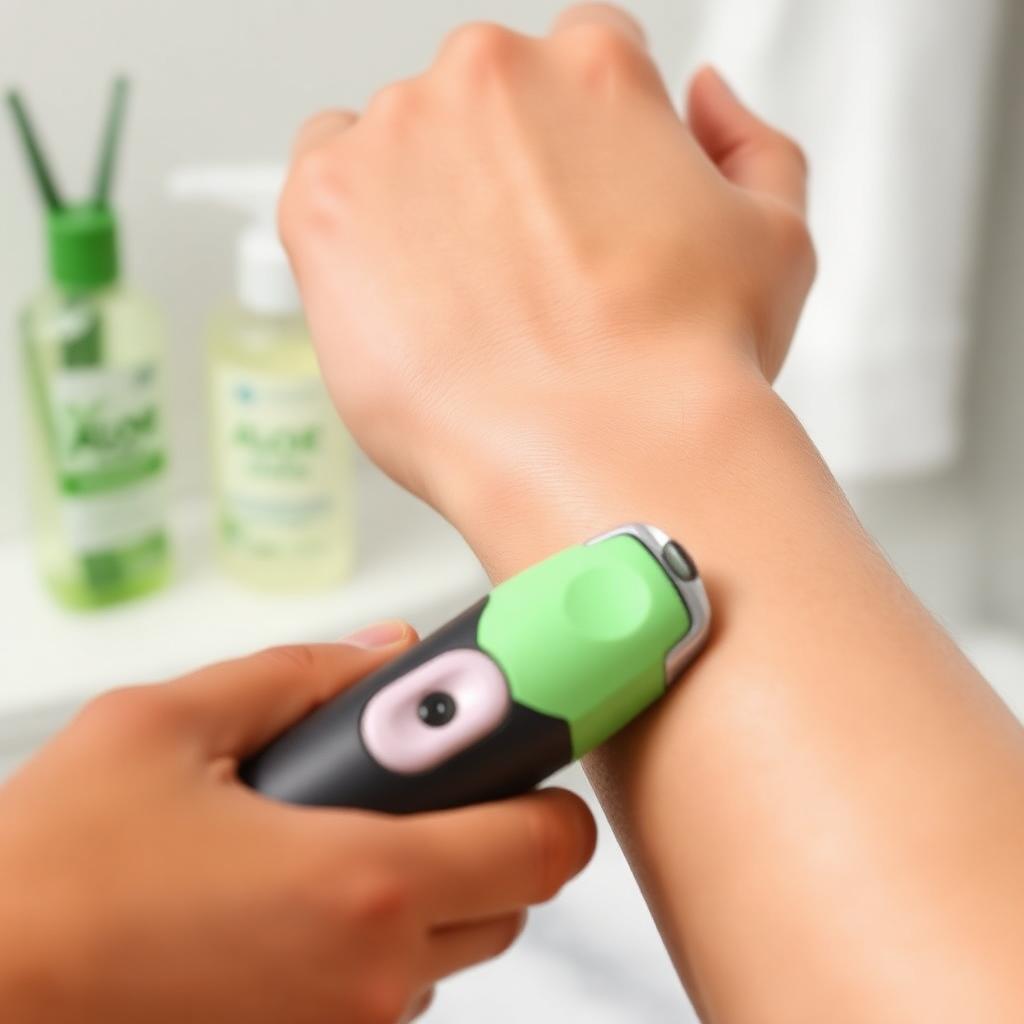
To reduce irritation when grooming body hair, start with healthy skin, a clean tool, and a conservative trim length. A guarded body trimmer can leave some hair above the surface and may be more comfortable than a close shave, particularly if you get ingrown hairs.
If shaving, soften the hair with water, use shaving cream or gel, and shave gently with the direction of growth. Skip rough exfoliation, repeated passes, and fragranced aftercare. No method guarantees irritation-free results, and you do not need to remove body hair for cleanliness.
Decide what result you actually want
A tidy trim and a completely smooth shave are different tasks. Trimming leaves visible hair and usually requires less close skin contact. A smooth finish involves more contact with the skin and may not be worth the discomfort if you repeatedly develop bumps or soreness.
I would start longer than I think necessary, test a small area, and assess the skin before shortening further. Hair length is a preference, not a gender rule. There is no medical requirement that arm, leg, chest, or pubic hair have a particular appearance.
The AAD's hair-removal overview explains that shaving can cause cuts, irritation, and ingrown hairs. A trimmer changes how close the cut is, but its guard does not make injury impossible.
Check the skin and equipment
Avoid grooming over cuts, rash, inflamed follicles, sunburn, or painful bumps. Do not try to shave off acne or flatten an existing lesion with a blade. If a growth, sore, or discolored patch is unfamiliar, avoid it and arrange advice when appropriate.
Choose a tool intended for the body area. Facial, scalp, and intimate-area attachments are not automatically interchangeable. Inspect the cutting head and guard for damage and make sure attachments lock securely. Read whether the device is designed for dry use, wet use, or both.
Use a clean, well-lit space with a stable stance. Do not trim while distracted or balancing awkwardly in a slippery shower. If you cannot see or reach an area safely, leave it or get appropriate assistance rather than making blind passes.
Prepare gently, without scrubbing
For wet shaving, the AAD recommends wetting skin and hair to soften them, often after a shower, then applying shaving cream or gel. Use comfortably warm rather than hot water. A gentle cleanse is enough; the skin does not need to feel squeaky or abraded.
For electric trimming, follow the device instructions. Some tools cut best on clean, dry hair; others allow wet use. Do not assume that adding oil, gel, or water improves a device that was not designed for it. Products can clog heads or change handling.

Rough scrubbing immediately before grooming is not a universal prevention method and can add irritation. Skip abrasive loofahs, harsh soaps, and strong exfoliating acids on sensitive or already inflamed skin.
Trim with control
Begin with a longer guard and light contact. Move slowly, keep the tool stable, and clear trapped hair as directed. If it pulls, stop and check the head, battery, and attachment instead of pressing harder. Tugging is a reason to troubleshoot, not a normal price of a close finish.
Keep skin gently flat where needed, without stretching it forcefully or folding it into the cutter. Use only a tool explicitly intended for delicate areas around the groin, and keep it away from mucous membranes and internal surfaces. A standard beard head is not a substitute.
Make fewer passes rather than repeatedly chasing every short hair. After an initial trim, step back and assess the result. Short stubble may be more comfortable and more practical than repeated efforts to achieve perfect smoothness in a high-friction area.
If you choose to shave
The AAD's shaving advice recommends shaving in the direction of hair growth, rinsing the razor after each stroke, and keeping the blade in good condition. Map growth patterns first because they can change across one body area.
Use light strokes and reapply lubrication if needed rather than going over a dry patch. Do not press to compensate for a dull razor. The AAD advises replacing disposable blades after about five to seven shaves, and sooner if they are damaged or no longer cut comfortably.
Store the razor where it can dry rather than in standing water or a damp shower corner. Avoid sharing razors or trimmer heads. Clean equipment and conservative technique reduce preventable problems, but they cannot guarantee that every skin type tolerates close shaving.
Adapt to different body areas
Underarms and legs
Underarm hair can grow in several directions, so check the pattern rather than making repeated random strokes. Lift the arm only as far as comfortable. On legs, watch bony areas such as knees and ankles, and work around irritated patches rather than shaving directly across them.
Chest, back, and shoulders
Protect raised moles, scars, and skin tags from blades. Use mirrors only if they genuinely improve control; a confusing reflected angle can make handling less safe. A long-handled tool still needs appropriate visibility and a secure grip.
Groin and skin folds
Leave more length if this area is prone to friction or ingrown hairs. Avoid close cutting on loose, delicate skin unless the device specifically supports that use and you can control it safely. Hair removal should never involve internal genital surfaces or a rushed blind pass.
Aftercare and bumps
Rinse gently if appropriate, pat dry, and apply a bland, fragrance-free moisturizer to external skin if tolerated. A cool damp cloth may feel soothing. Pores do not need closing, and stinging alcohol, essential oils, or strong fragrance is not evidence of successful disinfection.
Avoid tight clothing and friction if the skin feels irritated. If a product burns, rinse it away and stop using it. Introduce products cautiously rather than layering several soothing ingredients that make it difficult to identify the cause of a reaction.
The AAD's razor-bump guidance includes changing shaving habits and, when practical, allowing hair to grow. Do not dig out ingrown hairs, squeeze bumps, or apply strong acids indiscriminately, especially on intimate skin. A dermatologist can recommend suitable treatment.
FAQ
Does trimming eliminate razor bumps?
No. Leaving more length may help, but friction, technique, and individual hair and skin characteristics still matter. Recurrent bumps deserve assessment, especially if they leave scars or dark marks.
Should I groom again if the skin is sore?
Wait until it recovers and review the method. Repeated grooming over irritation can worsen it. Seek care for spreading redness, warmth, pus, severe pain, or fever rather than covering the area with aftershave.
Can I use hair-removal cream instead?
Only where the label permits, following its test and timing instructions. Chemical burns and irritation are possible. Do not assume a leg product is suitable for genital skin, and never combine methods on already irritated tissue.
Bottom line
Comfortable grooming starts with doing less: gentle preparation, an appropriate guarded tool, fewer passes, and simple aftercare. Close shaving is optional. Stop when skin protests, and seek professional advice for recurrent ingrown hairs, infection signs, or reactions that do not settle.