Quick Answer
Plant individual corn seeds 8 to 12 inches apart inside the row, space rows 30 to 36 inches apart, and bury seeds 1.5 to 2 inches deep. Most importantly, plant in blocks at least 4 rows wide by 4 rows deep instead of a single long row.
The block layout is what fills the cob. Corn is wind pollinated, so if rows are too narrow or too short, pollen blows away before it can land on the silks and you end up with patchy, half empty ears.
Why Spacing Is the Whole Game
Of all garden vegetables, corn is the most punished by bad spacing. Unlike tomatoes or peppers, which pollinate themselves with insect help, corn relies entirely on wind drift. The tall tassels at the top of the plant release pollen, and the silks lower down catch it.
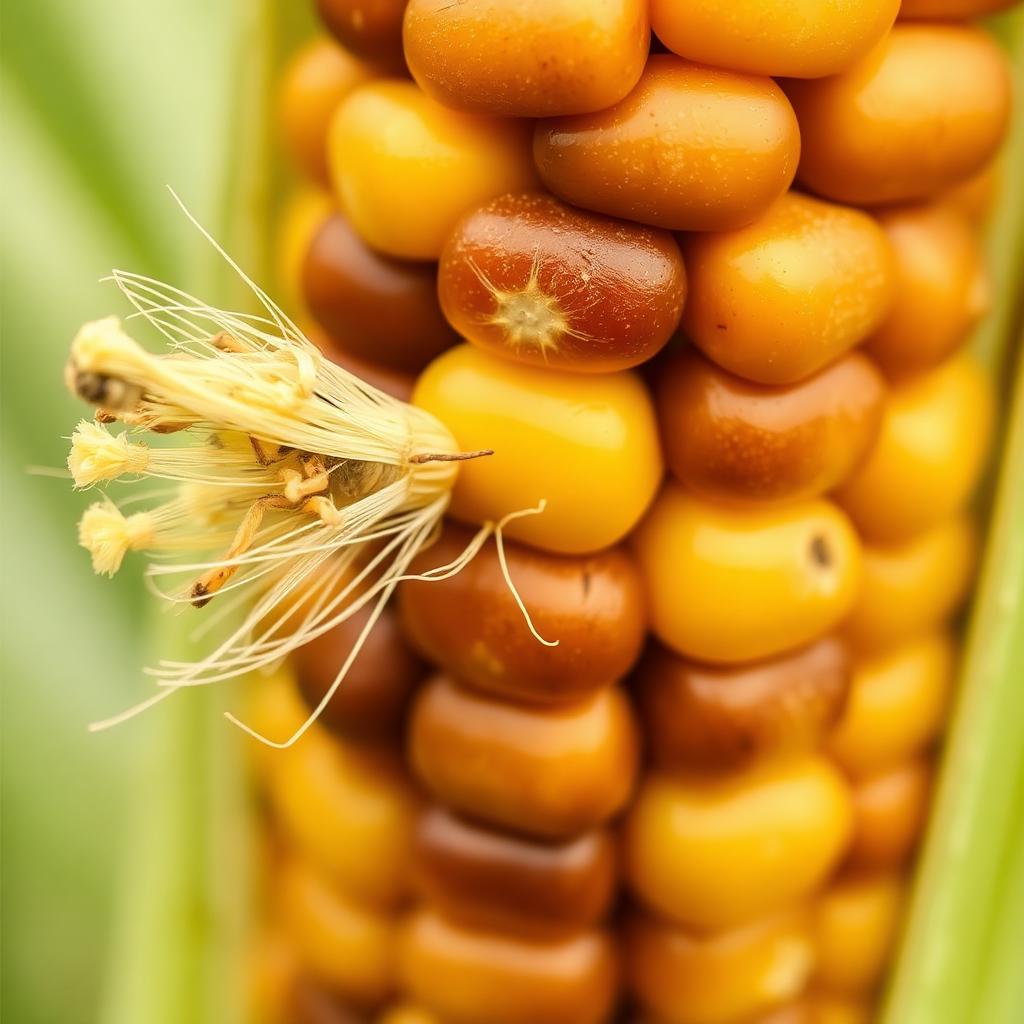
Every single strand of silk connects to one potential kernel. Miss the silk and the kernel never forms. That is why a beautifully pollinated ear is plump and full and a poorly pollinated one looks like a comb with missing teeth.
The Block Planting Rule
A single row of corn along the fence almost never works. Wind blows the pollen sideways into the lawn and the silks are left empty.
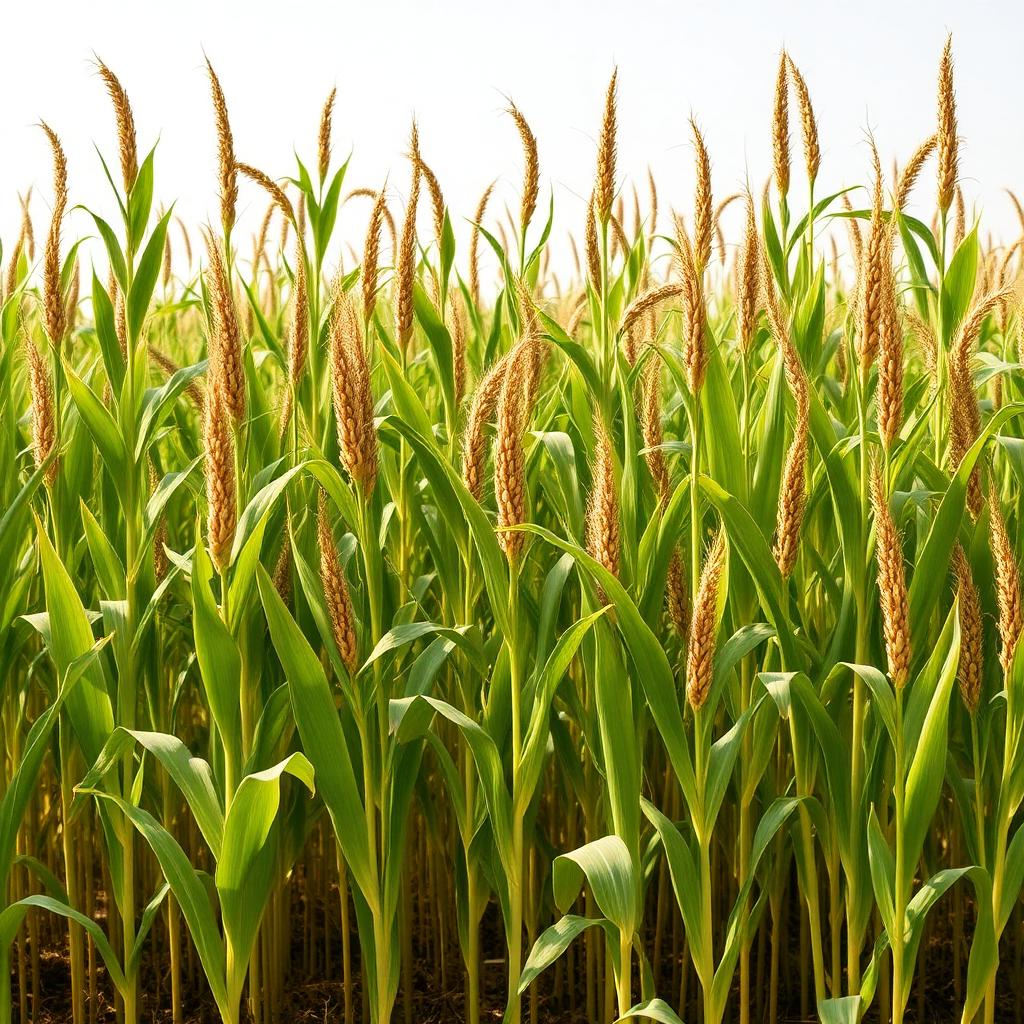
The rule is simple. Always plant corn in a block of at least 4 rows by 4 rows. The dense canopy creates a localized pollen cloud that drops onto silks no matter which way the wind blows.
- 4 rows of 4 plants is the absolute minimum for backyard success.
- 6 by 6 is more reliable for sweet corn.
- 10 by 10 or larger is recommended for popcorn and dent varieties that need exceptional pollination.
Distance Inside the Row
Space individual corn seeds 8 to 12 inches apart along the row. Closer than 8 inches and the plants choke each other for light, water, and nitrogen, producing short stalks and small ears. Farther than 12 inches and you waste garden space without improving yield.
For sweet corn aim for 12 inches. For dense varieties like popcorn or dent corn, 8 inches works because the stalks are thinner.
Distance Between Rows
Standard row spacing is 30 to 36 inches. That gap gives you walking access, room to hoe weeds, and airflow that helps prevent disease.
- 30 inches works for compact short stalk varieties and raised beds.
- 36 inches is better for large field varieties that grow over 7 feet tall.
- Skip rows wider than 40 inches because they waste space without adding airflow.
How Deep to Plant Corn Seeds
Plant seeds 1.5 to 2 inches deep in warm soil above 16 degrees Celsius. In sandy soils you can push deeper to 2.5 inches because the loose soil dries out faster on top.
Shallow planting under 1 inch is one of the most common mistakes. Shallow seeds dry out fast and shallow rooted plants topple in summer thunderstorms, a problem called lodging.
Companion Spacing With Beans and Squash
The traditional Three Sisters layout plants corn, climbing beans, and squash together. Plant the corn first in mounds 18 inches across, spaced 4 feet apart. Once corn is 4 inches tall, plant 4 bean seeds 6 inches from each corn stalk. Two weeks later plant squash seeds between the mounds.
The corn stalks act as natural bean poles, beans fix nitrogen for the corn, and squash leaves shade out weeds and keep raccoons away from the cobs.
Watering Once Spacing Is Right
Corn drinks heavily, especially during tasseling and ear fill. Provide 1 inch of water per week from a deep soak, and step it up to 2 inches per week once tassels show. Drip lines or soaker hoses placed at the base of each row deliver moisture without washing pollen off the silks.
The Takeaway
Spacing makes or breaks a backyard corn crop. Drop seeds 8 to 12 inches apart in rows 30 to 36 inches wide, sink them 1.5 to 2 inches deep, and always plant in blocks of 4 rows or more so wind borne pollen finds the silks. Get the layout right and you can grow restaurant quality sweet corn in a backyard plot the size of a parking space.