Quick Answer
To off-road a Jeep Wrangler for the first time, never go alone, air your tires down to 20 to 25 psi, shift into 4-High on gravel or 4-Low on real obstacles, drive with your tires on top of high rocks rather than dropping into ruts, and use steady throttle instead of stabs. Let the transfer case gearing do the braking on descents.
The Wrangler is remarkably capable from the factory. The mistakes new drivers make are almost always about habits carried over from paved-road driving, not the vehicle itself.
Before you leave the driveway
1. Bring a friend and a plan
The first rule I follow: never wheel alone. A single stranded rig with a flat or a stuck axle turns into a real emergency fast. Roll with at least one other capable 4x4, tell someone your route and return time, and carry a paper map and a downloaded offline GPS track in case cell service drops.
2. Quick inspection
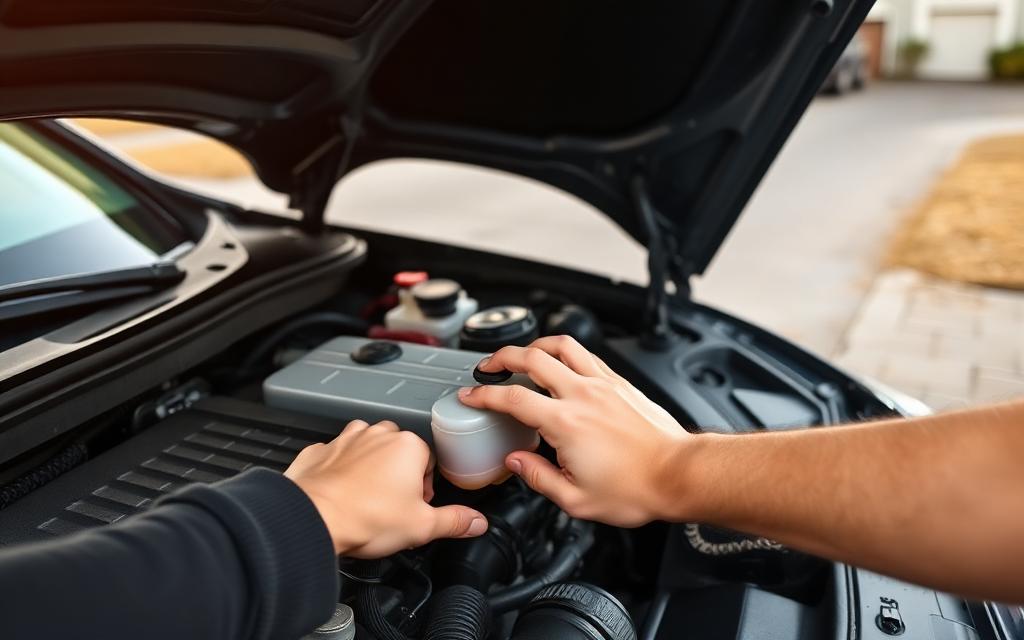
Check engine oil, transmission fluid, coolant, and brake fluid levels. Look under the Jeep for fresh leaks. Confirm your factory tow hooks are bolt-tight and rust-free , those are your recovery points if you need a pull. Secure loose gear in the cabin so a hard bounce does not launch a wrench into the back of your head.
3. Air down your tires
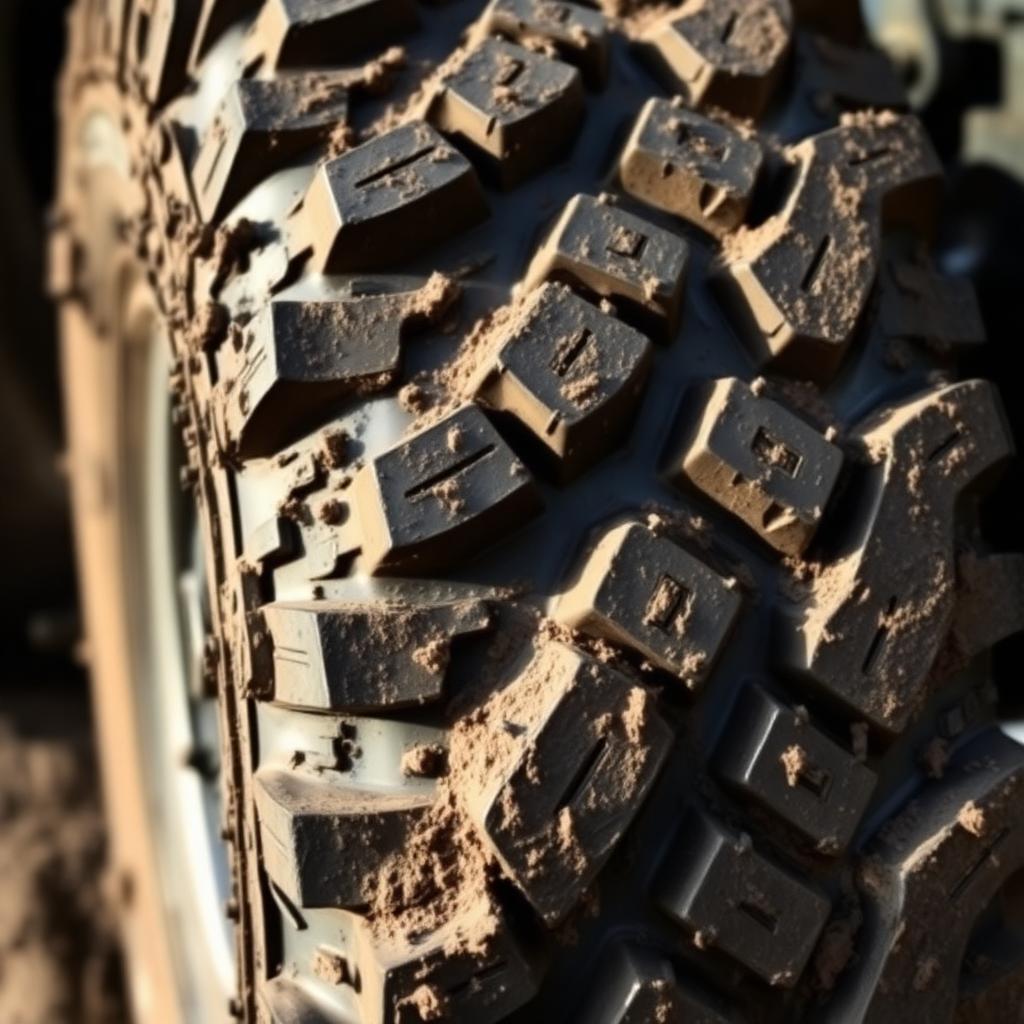
This is the single most valuable habit for a first-time trail run. Dropping tire pressure from highway 32 psi down to 20 to 25 psi lengthens the tire footprint dramatically. That means more grip on rock and sand, a softer ride, and less risk of a pinch flat. Carry a portable 12V compressor to air back up before you touch pavement.
How to shift the Wrangler transfer case correctly
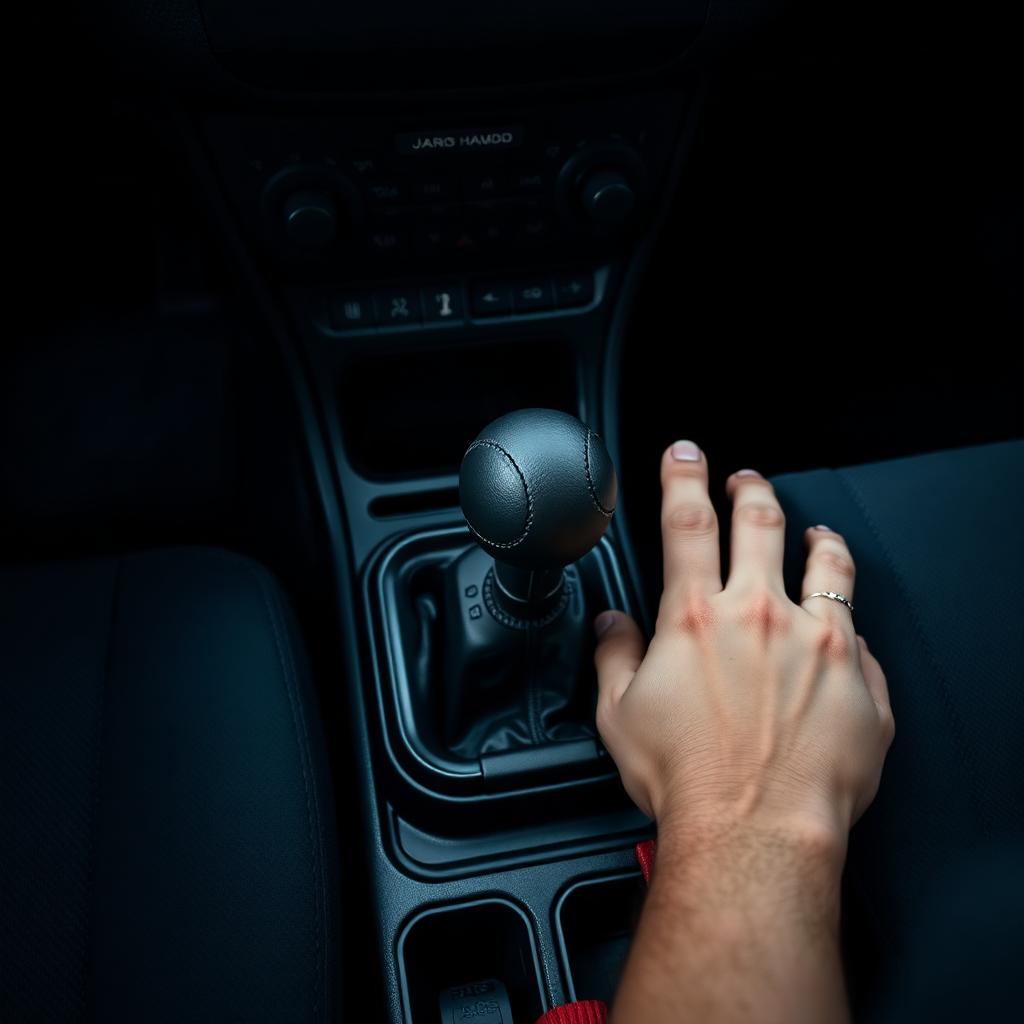
The lever next to the main shifter controls the transfer case. On a JK or JL Wrangler the positions are 2H, 4H, N, and 4L.
| Mode | Use for | Speed |
|---|---|---|
| 2H | Dry pavement, highway | Normal |
| 4H | Gravel, sand, snow, dirt roads | Up to 45 mph |
| N | Flat-towing behind an RV | Not for driving |
| 4L | Rock, deep mud, steep climbs and descents | Under 15 mph |
Shifting into 4H
You can pull the lever back from 2H to 4H while rolling on any surface below about 45 mph. Do it in one smooth motion so the internal collar mates with the front drive gear cleanly.
Shifting into 4L
4L requires a specific ritual. Slow to a 1 to 3 mph roll, put the automatic in Neutral or press the manual clutch fully in, then firmly move the transfer case lever from 4H through Neutral into 4L. If the lever fights you, the gear teeth are not aligned; a couple feet of gentle roll almost always sorts it. Then shift the main transmission back into Drive or first and crawl away.
The three trail techniques that make everything easier
1. Drive the high line
Your instinct will be to center the Wrangler over a rock or drop into a rut. Fight it. Put your tires on top of the highest ridges. That keeps the belly of the Jeep high off the ground and protects the oil pan, transmission, and differentials from crushing impacts.
2. Manage momentum, do not chase it
Steady, gentle throttle beats a stab every time. If a tire slips, ease off the gas so the tread can bite fresh dirt instead of digging a hole. Momentum is the friend of mud and sand; finesse is the friend of rock.
3. Let the engine brake on descents
In 4-Low, take your foot off the pedals on a steep drop and let the gearing hold the truck back. Standing on the brake pedal locks the tires and turns them into skis. Use very light brake feathering only if the engine braking alone still lets speed creep up.
Basic recovery gear to carry
- A 30-foot, 30,000-lb rated kinetic recovery strap and two rated D-ring shackles
- A pair of traction boards for spinning tires in sand, mud, or snow
- A 12V air compressor and tire deflators for airing down and up
- Basic tool kit, a full-size spare, and enough water and snacks for twice as long as you plan to be out
Common questions before your first Wrangler off-road run
What is the easiest trail to start on?
Look for an OHV area rated Easy or Green on trail apps like OnX Offroad or GAIA GPS. State parks and BLM lands almost always have marked beginner routes with graded dirt, mild ruts, and a clear bail-out at the trailhead.
Do I need a lift or larger tires before my first trip?
No. A factory Wrangler on stock tires clears more than most beginners think. Save the lift and tire budget for after you have wheeled the stock rig enough to know what you actually want.
How low should I air down?
For a first-time Wrangler owner on stock tires, 20 psi is a safe, effective target on dirt and rock. On sand you can drop to 15 psi. Anything lower risks unseating a bead without beadlock wheels.
Bottom line
Off-roading a Jeep Wrangler for the first time is about calm inputs and a small handful of habits: never solo, air down, shift into the right range, drive the high line, and let the drivetrain work for you. Do that on an easy rated trail with a friend, and by the end of the day you will understand exactly why this platform has the following it does.