Quick Answer
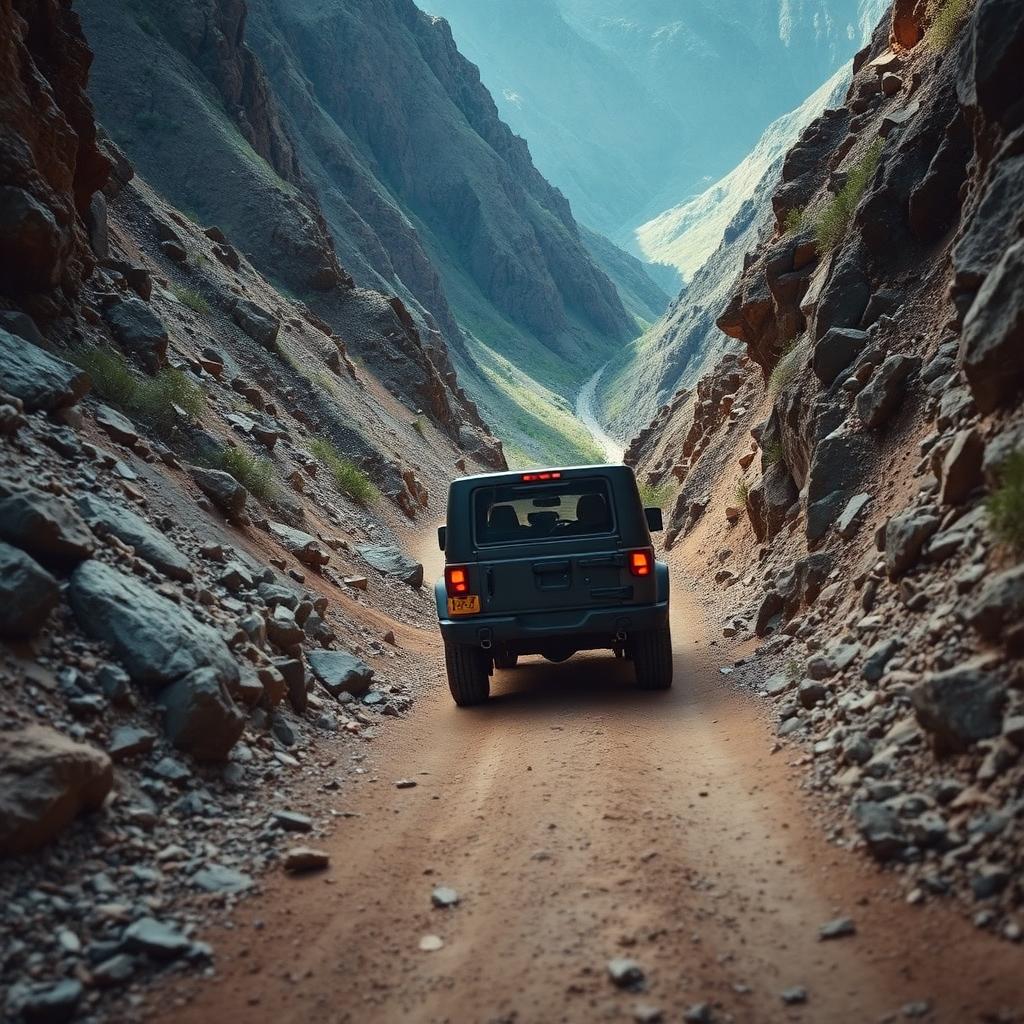
To drive down a steep hill in 4-Low, I stop before the crest, align the wheels straight down the fall line, shift into 4-Low and first gear, take my feet completely off both pedals, and let engine compression hold the truck at a walking pace. Braking with the pedal locks the wheels and steals steering control.
Trust the gears. It feels wrong for about three seconds and then it feels like magic.
Why braking on a steep hill is dangerous
On pavement, the brake pedal is my safety net. On loose gravel, wet mud, or slick clay, stomping the brake locks the wheels. A locked tire is a smooth ski. It breaks free from the topsoil and slides down the fall line under gravity alone. Worse, a locked tire generates zero steering. I can turn the wheel lock to lock and the vehicle keeps sliding wherever the slope points.
Step-by-step descent protocol
Step 1: stop and align
I bring the vehicle to a full stop on the flat shelf just before the hill breaks down. Then I aim the front tires dead straight down the steepest line, the fall line. Descending at an angle invites the heavy rear to swing around, and on a slick surface that can trigger a lateral rollover.
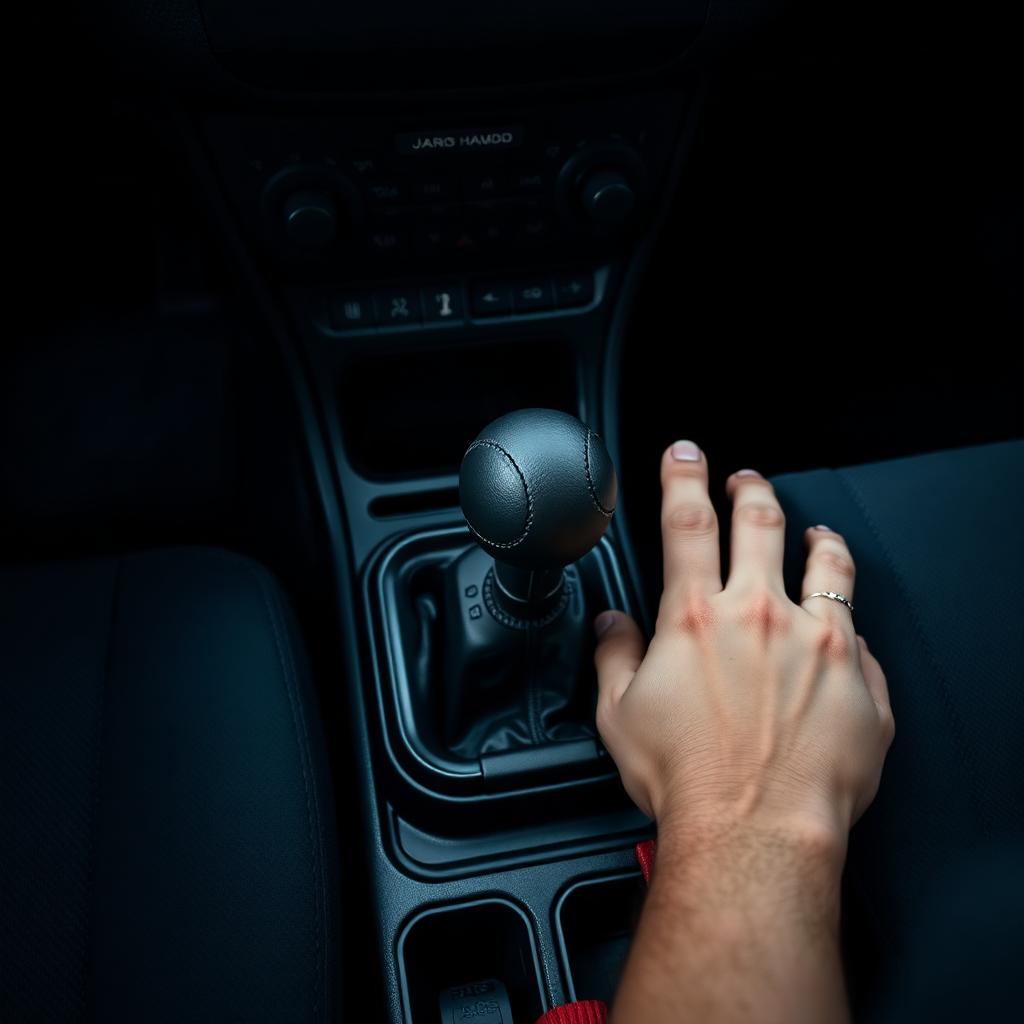
Step 2: shift into 4-Low and first gear
- Transfer case: 4-Low (4L).
- Manual transmission: first gear.
- Automatic: use the manual mode selector and lock the box into M1 or the equivalent low-range crawl setting.
Step 3: take your feet off both pedals
This is the hardest part mentally. As the nose tips over, I lift my foot off the brake and off the throttle entirely. The internal compression of the engine turns into a mechanical brake. The transfer case gear reduction plus first gear plus axle ratio means the truck cannot easily force the engine to spin faster than idle. The result is a steady, uniform crawl at 2 to 4 mph, with all four wheels still rotating and still steering.
Step 4: correcting a slide
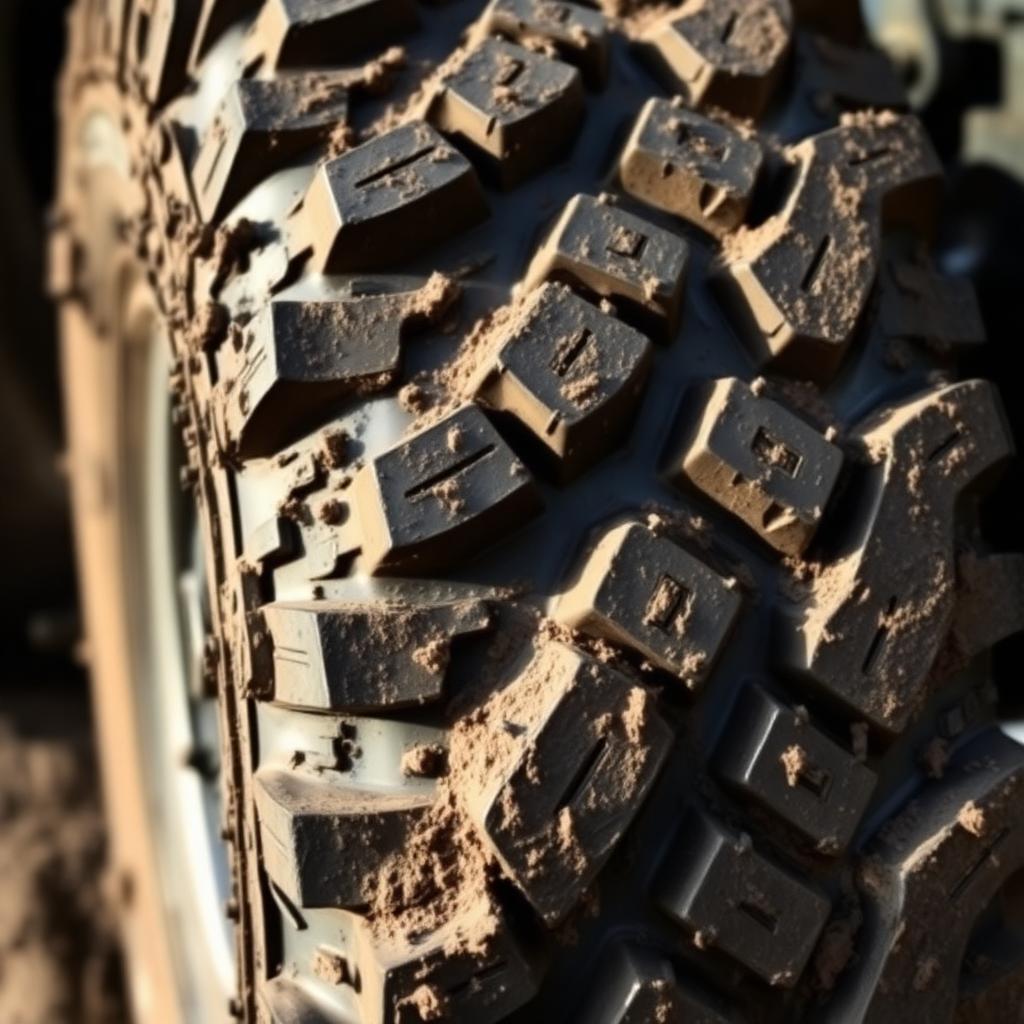
If the surface is exceptionally slick and the rear starts to break loose, the wrong move is to jab the brakes. That locks the front and guarantees a crash. The right move feels counterintuitive: I apply light, gentle throttle. Speeding the tires up so they rotate faster than the slide restores traction and steering, pulls the front back in line, and I can guide the vehicle safely down.
When to add gentle brake input
If the hill is so steep that engine compression alone is not enough and the truck starts accelerating, I add gentle, feathered brake pressure with my toes. I never stomp. On modern rigs equipped with Hill Descent Control I let the ABS handle the modulation for me, which brings us to the next post in this series.
Reference table
| Scenario | Correct action | Wrong instinct |
|---|---|---|
| Descent begins | Feet off pedals, let 4-Low first gear hold the truck | Ride the brake pedal down |
| Rear end slides sideways | Light throttle to restore rotation and steering | Stomp the brake |
| Truck accelerating past comfort | Feathered toe pressure on the brake | Panic-brake and lock |
| Diagonal ruts or side slope | Realign to fall line before descending | Cut across the slope |
Frequently asked questions about steep descents
What if my vehicle has no low range?
Most crossovers and modern car-based SUVs skip a real low range. On those vehicles I rely on Hill Descent Control if it is available, and I drop into the lowest manual gear the transmission offers. I also keep speeds lower than I would in a true 4x4 because engine braking authority is much weaker without gear reduction.
Should I use the parking brake on a steep hill?
Never as a substitute for controlled descent. If the vehicle stops on a steep hill and I need to hold position while I plan the next line, I use the parking brake to prevent rollback while I reposition my feet. I never engage it while the vehicle is still moving.
How steep is too steep to descend safely?
Rated approach and departure angles matter less than the surface. A 30-degree slope on dry rock with good traction is far safer than a 15-degree slope on wet clay. When in doubt, get out, walk the hill first, and if you cannot walk down without slipping, expect the vehicle to slide too.
Bottom line
Descending steep off-road hills safely means overcoming pavement instincts. Align straight, engage 4-Low and first gear, let the engine handle the braking, and correct slides with throttle, not brake. Do that and the scariest descents become slow, controlled, and completely boring in the best possible way.