Quick Answer
To check a used Jeep Wrangler for off-road damage, get underneath with a flashlight and look for bent or cracked frame rails, deep gouges on the oil pan and differential housings, torn control-arm brackets, and milky differential fluid. Then check for silt inside the engine bay and take a test drive that engages 4-Low and, if equipped, the lockers.
Wranglers hold value because they are capable. That same capability means many used examples have been genuinely thrashed. A twenty-minute inspection separates the pampered daily driver from the beat-up trail rig.
Step 1: Inspect the undercarriage
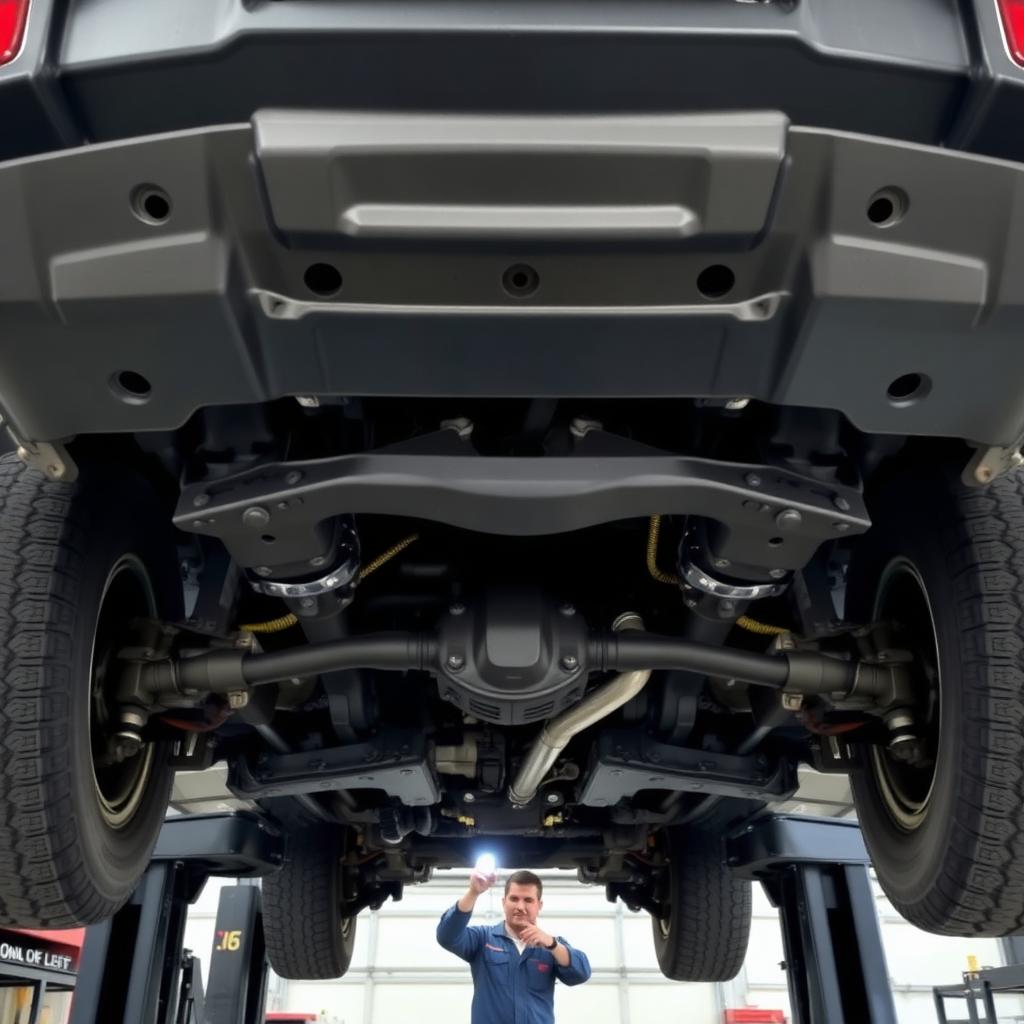
Lay a piece of cardboard down and get under the Jeep with a bright flashlight. This is where the true story of an off-road Jeep Wrangler lives.
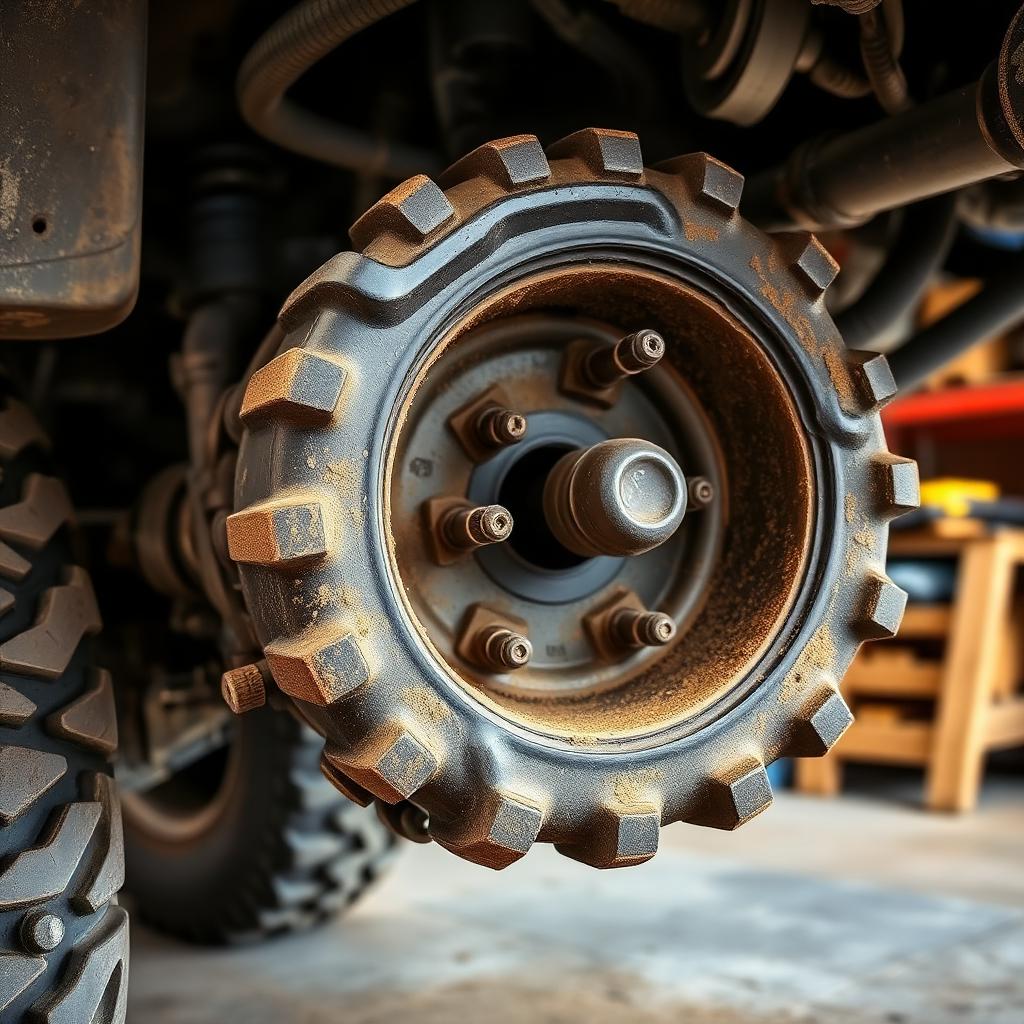
Frame rails
Sight along the two main frame rails from front bumper to rear bumper. Look for kinks, ripples, fresh welds, or obviously mismatched paint. The round drain and access holes stamped into the frame should still look round; oval-shaped holes mean the frame took a torsional hit hard enough to distort steel.
Skid plates vs deep gouges
Small scratches on the factory transfer case and gas tank skid plates are normal wear. Deep, gouged metal grooves in the engine oil pan, transmission pan, or differential covers signal repeated rock strikes. Look closely for fresh oil weeping from any dent , that is a leak that will get worse.
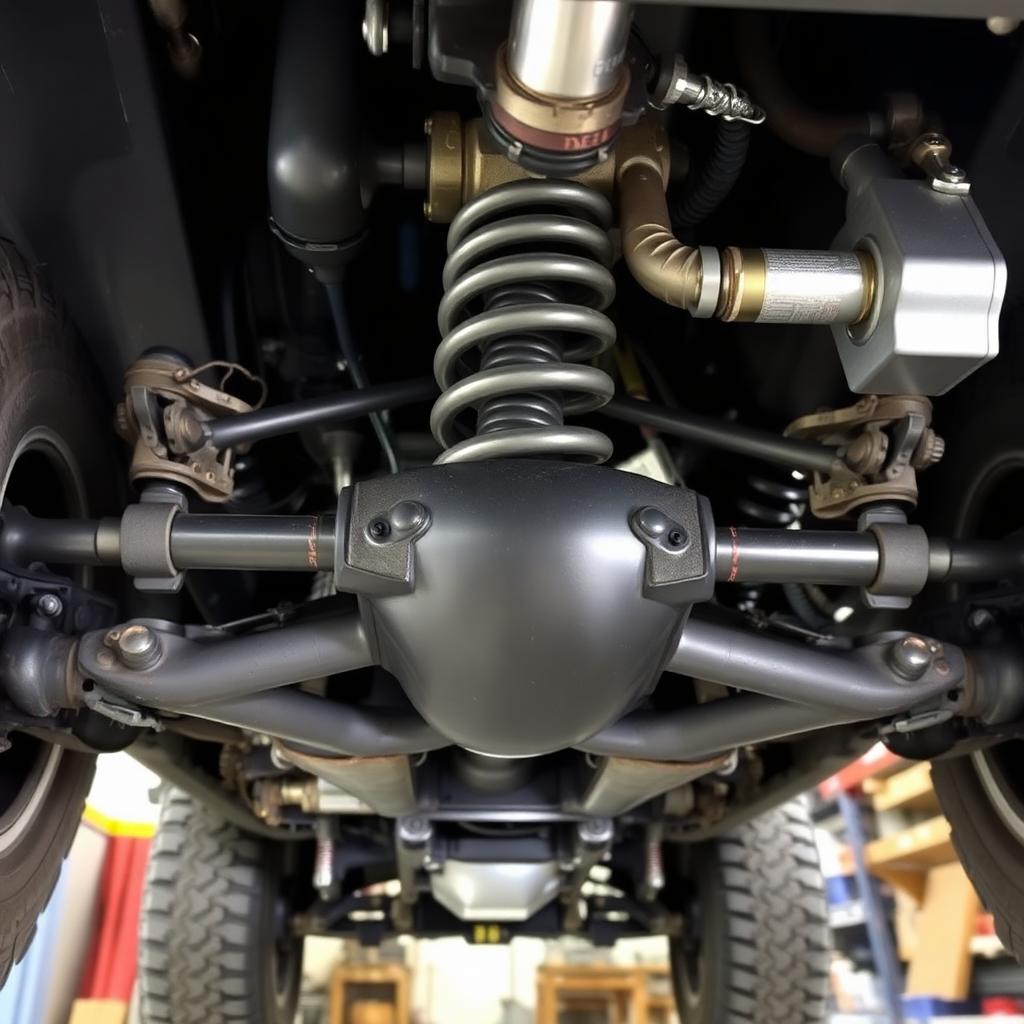
Control arms and axle brackets
The steel brackets that anchor the front and rear control arms to the axle tubes sit low and get smashed. A bent or torn bracket usually means the axle housing is out of alignment, and the fix is a full axle replacement or straightening job that runs into thousands of dollars.
Step 2: Look for water and mud infiltration
Deep water crossings without proper axle vents ruin driveline components. Two quick checks:
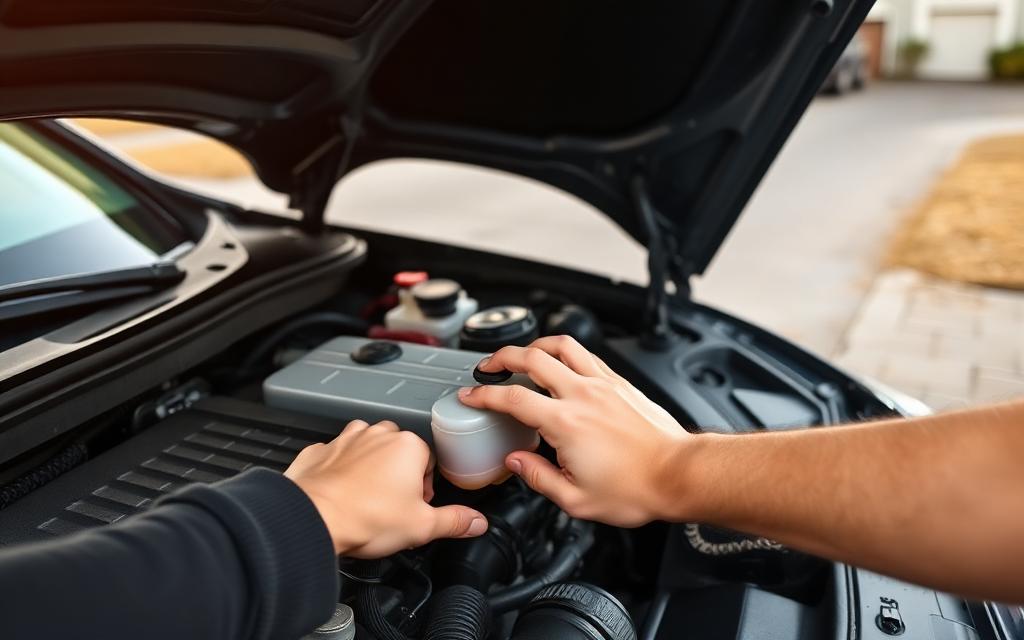
- Silt lines in the engine bay. Open the hood and inspect the crevices around the alternator, airbox, and firewall wiring harness. A dried caked ring of brown or grey silt means the Wrangler was submerged at least to that line.
- Differential fluid. Bring a wrench, pull the fill plug on the front and rear differentials, and touch the oil with your finger. Clean gear oil is amber to dark brown. If it comes out milky or looks like chocolate milk, water entered the axle. If it was driven far in that state, the bearings and gears are already damaged.
Step 3: Judge aftermarket modifications honestly
A modified Wrangler can be great or a nightmare. The difference is in the details.
| Modification | Good signs | Red flags |
|---|---|---|
| Suspension lift | Named brand shocks (Fox, Bilstein, TeraFlex), adjustable track bar, extended brake lines | Unbranded chrome shocks, coil spacers stacked on tired factory springs, stretched OEM brake lines |
| Oversized tires | Even tread wear, matched axle re-gear (4.56 or 4.88 for 35s and up) | Cupping or scalloped tread, stock 3.21 or 3.73 gears struggling to turn oversized tires |
| Aux lights and wiring | Clean loom, heat-shrink connections, dedicated fuse and relay panel | Bare copper twisted together, wires spliced into factory headlight harnesses, unfused runs |
| Bumpers and armor | Solid frame-mount hardware, corner tie-in gussets, factory sensors relocated | Zip-tied sensors, wobbly bumper on the mount, fresh weld beads over rust |
Step 4: The trail-focused test drive
Do not judge a used Wrangler purely on how it feels on smooth pavement. Find a safe empty lot and put its off-road systems through their paces.
- Shift into 4-Low. Follow the correct procedure (roll at 1 to 3 mph, transmission to neutral). It should engage smoothly. Popping out of gear under load is a bad transfer case sign.
- Engage the lockers if equipped. On a Rubicon, press the axle locker switch. The dash light should blink and go solid. Make a very tight, low-speed turn on loose gravel; the inside tire should skip and chirp as the diff refuses to differentiate.
- Watch for the death wobble. Accelerate to 45 to 55 mph and hit a small pavement seam. If the steering wheel and front axle begin shaking violently, the front track bar bushings, ball joints, or steering damper are worn or the wrong parts were used in the lift.
- Test the brakes and pull. Brake hard from 30 mph on a smooth patch. The Wrangler should stop straight, not pull to one side (a symptom of a warped rotor from repeated water-cooling stress).
Common questions about used Wrangler off-road damage
Is a modded Wrangler always worth less?
No. Well-executed mods on a solid frame can add value. Poor mods on a damaged frame subtract far more than they cost to remove.
Should I pay for a pre-purchase inspection?
Yes, and specifically at a Jeep or 4x4 specialty shop, not a generic dealer. A $150 PPI at the right shop is the cheapest insurance you can buy on a used Wrangler.
What is a fair price to pay for a lifted Wrangler?
Take the equivalent stock model's book value, add roughly 30 to 50 percent of the receipts for parts (never for labor), and only if the install quality is verifiable. Verbal mod histories without receipts are worth nothing.
Bottom line
Never buy a used Jeep Wrangler based on an immaculate exterior alone. Frame rails, differential fluid, control-arm brackets, and the way it engages 4-Low tell you everything about the last owner's respect for the machine. Twenty minutes with a flashlight is worth thousands of dollars.