Quick Answer
To build a stock Jeep Wrangler for the trail on a budget, spend under $800 on the four upgrades that matter: an engine and transmission skid plate, manual sway bar quick disconnects, a set of used take-off 33-inch all-terrain tires, and a portable 12V compressor with tire deflators and a recovery strap. Skip the lift kit and cosmetic mods until the basics are in place.
The factory Wrangler is already more capable than most owners will ever use. On a tight budget the goal is to protect the drivetrain, unlock traction, and carry basic recovery gear, in that order.
Phase 1: Protect the drivetrain (about $150)
Repairing a punctured oil pan or cracked transmission case wipes out any modification budget. Every dollar starts with underbody armor.
What the factory covers
Modern JK and JL Wranglers ship with decent skid plates over the fuel tank and transfer case. The engine oil pan and the transmission fluid pan are left exposed.
The high-value fix
Spend $130 to $150 on a bolt-on engine and transmission skid plate from Rough Country, MORE (Mountain Off-Road Enterprises), or Rock Hard 4x4. These use factory frame holes, install with hand tools in under an hour, and turn a $2,500 oil pan repair into a scraped chunk of steel.
Phase 2: Traction on a tight budget (about $500)
Traction comes from the tire touching the ground. Everything else supports that. Two upgrades unlock most of the Wrangler's factory potential without buying a lift kit.
Manual sway bar quick disconnects
Aftermarket disconnects from JKS, Rugged Ridge, or Steinjager replace the fixed factory end links with pin-and-clevis links. At the trailhead I park level, pull the pins, stow the links, and drive off with full front axle flex.
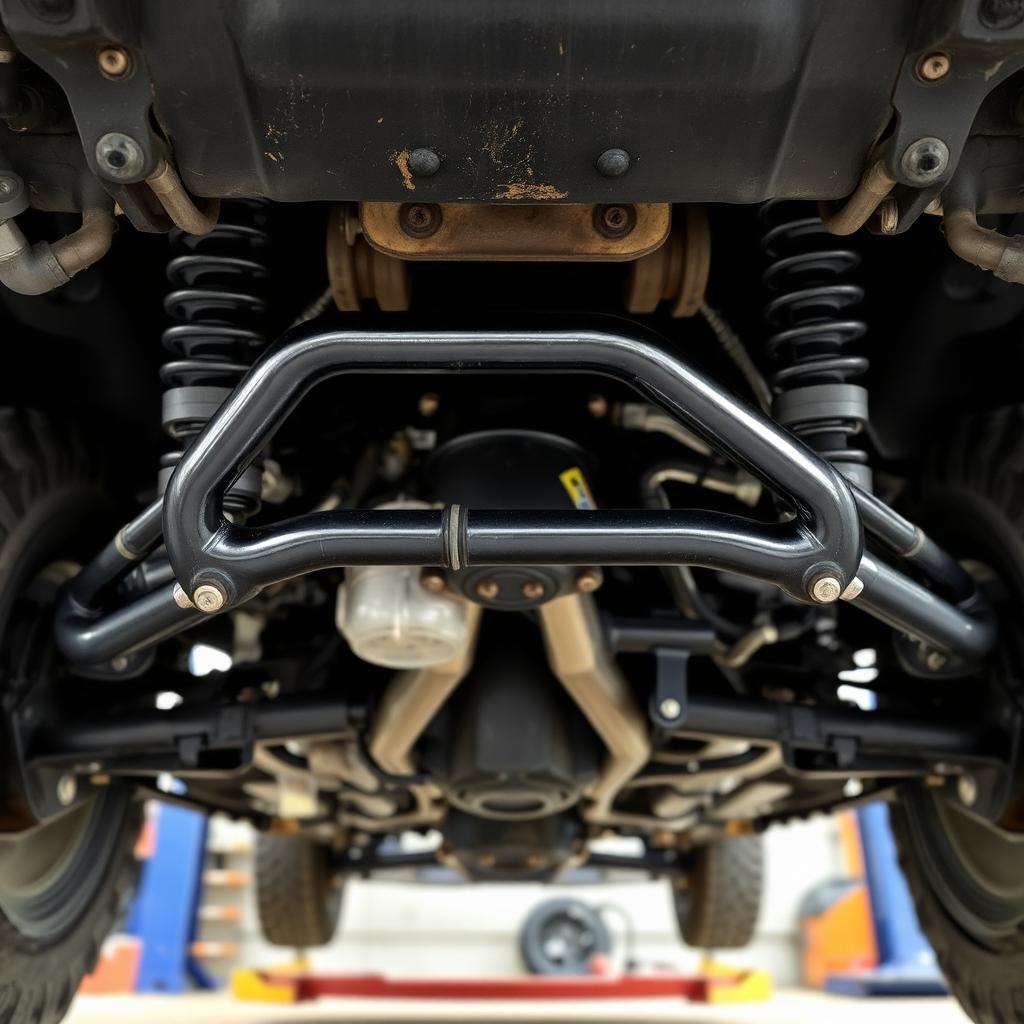
They cost around $120 to $150 and take a few minutes to install with a wrench. The articulation gain is dramatic and immediately visible on any moderate obstacle.
Take-off 33-inch tires
Stock Wranglers on 29- or 31-inch highway tires struggle on real terrain. A lift kit to clear larger tires is expensive: shocks, control arms, alignment, sometimes new brake lines. The workaround: stock JK and JL Wranglers clear a 33-inch all-terrain tire on factory suspension with no fender rubbing at articulation.
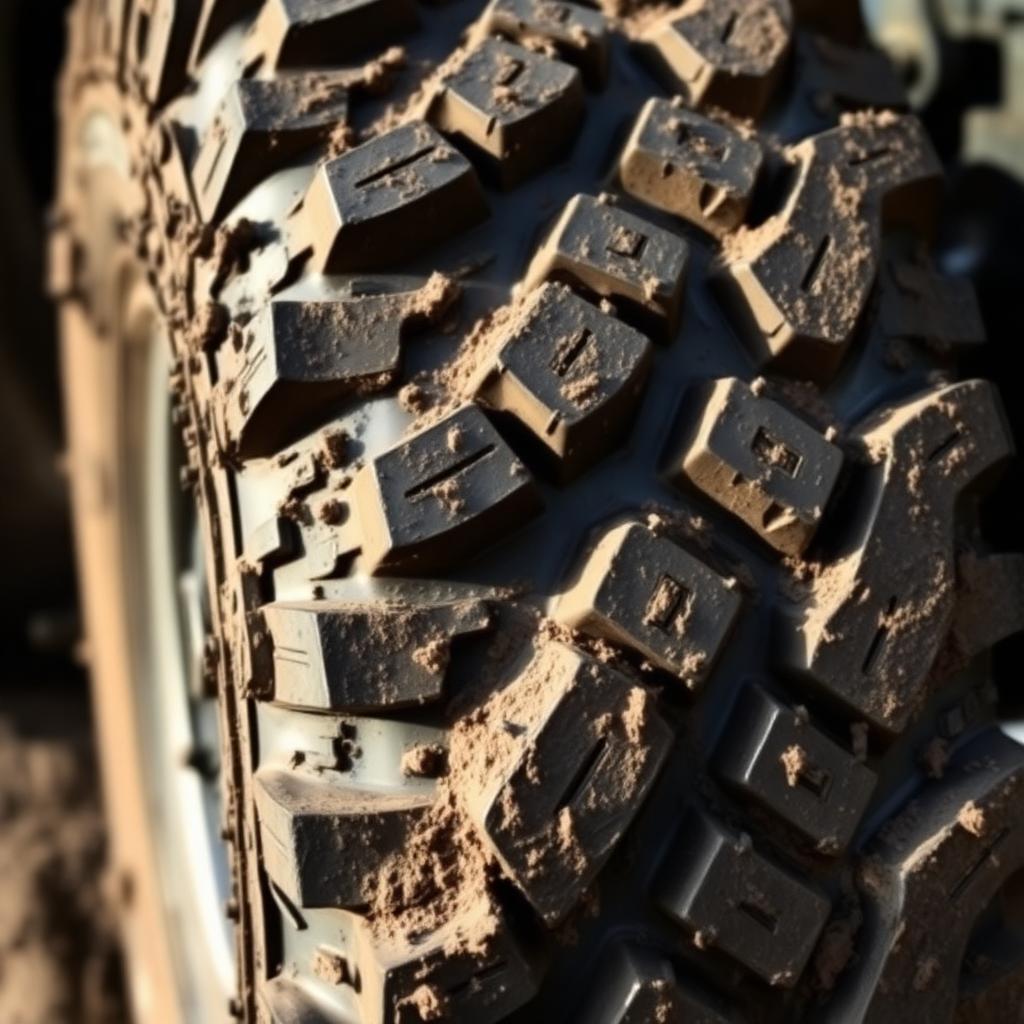
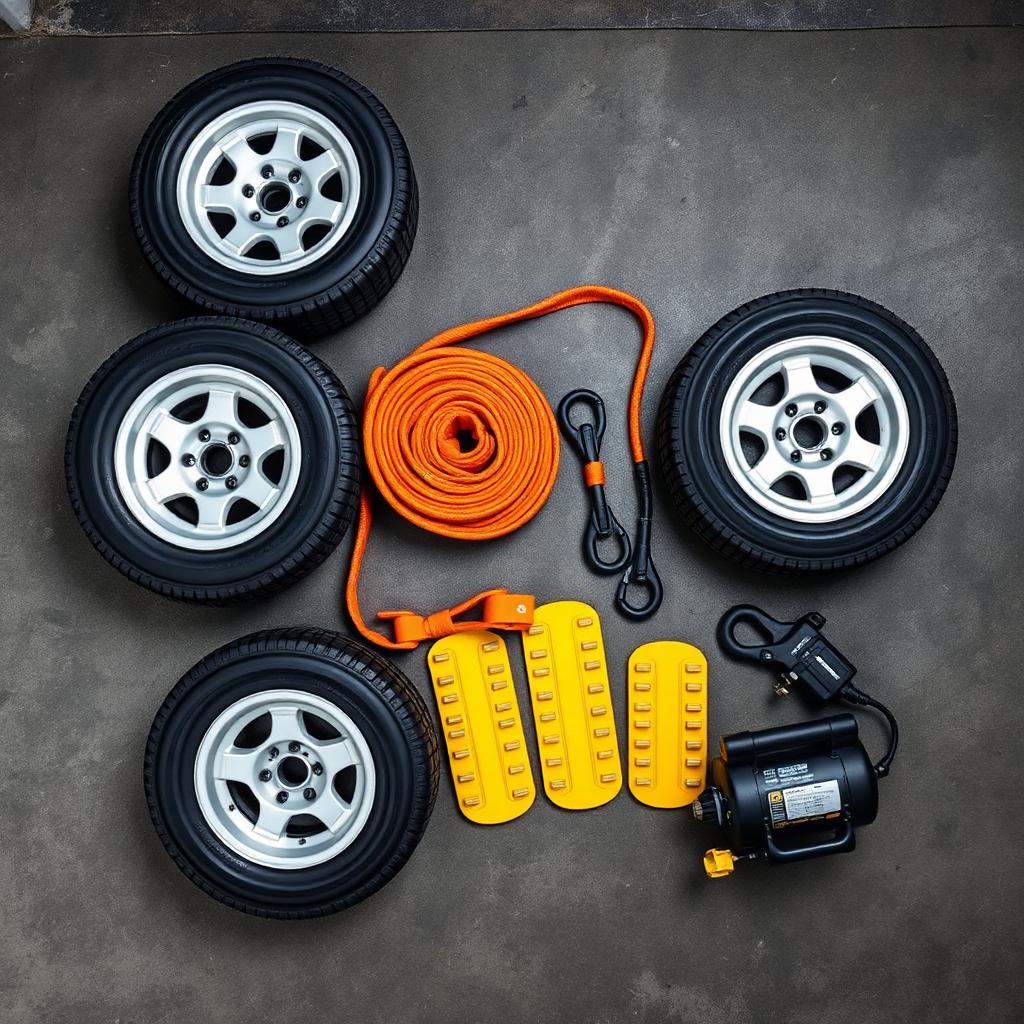
Rubicon owners upgrade to 35s all the time and sell their almost-new factory 33-inch BFGoodrich KO2 or Falken Wildpeak sets for a fraction of retail. Scan local Facebook Marketplace, Craigslist, and Wrangler forums. A clean take-off set of five tires and wheels typically runs $400 to $700 total.
Phase 3: Recovery and safety (about $150 to $250)
Without a winch or full steel bumper, I still need the ability to get unstuck when the trail bites.
- Portable 12V air compressor and tire deflators ($60 to $90). Airing down from 32 psi to 20 psi doubles the tire footprint on rock and sand. A compressor that clips to the battery airs back up before the highway.
- 30-foot rated snatch strap and two steel D-rings ($50 to $70). Loops around a factory tow hook. Any competent buddy in a second 4x4 can pull a stuck Wrangler out safely.
- A pair of traction boards ($70 to $90). Slid under spinning tires, they create an instant ramp out of deep mud, snow, or sand.
What I skip on a budget build
Every dollar spent on the wrong upgrade is a dollar not spent on the right one.
| Skip | Why |
|---|---|
| Cheap suspension lift kits | Bad geometry causes death wobble and drivetrain vibration; the fix costs more than the kit |
| Steel bumpers | Cosmetic weight without a winch; the factory bumper's tow hooks are already rated |
| Light bars and pod lights | Nice to have, but do nothing for capability; add once the basics are solid |
| Snorkels | Only useful past 30 inches of water, which most trail runs never see |
| Winch without a matched bumper | Factory bumpers cannot accept a winch load without cracking the mount |
Total budget breakdown
| Upgrade | Estimated cost | Value |
|---|---|---|
| Engine + transmission skid plate | $140 | Protects the two most vulnerable mechanical parts |
| Manual sway bar quick disconnects | $130 | Doubles front articulation at the trailhead |
| Used take-off 33-inch tires and wheels | $500 | 2 inches of clearance without a lift |
| 12V compressor and deflators | $80 | Airing down is the single highest-return trail habit |
| Snatch strap and D-rings | $60 | Enables safe assisted recovery |
| Traction boards | $80 | Self-rescue in mud, sand, snow |
| Total | ~$990 | Clears the majority of rated trails in North America |
Common questions about a budget Wrangler build
Do I need a lift for 33-inch tires?
Not on a JK or JL Wrangler. Both platforms clear 33s on factory suspension. The wheel backspacing matters (5 to 5.25 inches keeps the tire inside the fender flare); take-off Rubicon wheels are already correct.
Should I re-gear the axles for 33s?
Automatic transmission owners usually do not need to. Manual owners of the 2.0L turbo or 3.6L V6 often notice sluggish highway pull and re-gear to 4.56 or 4.88. That is a $2,000 upgrade and can wait.
Are used tires safe to buy?
Take-off tires with under 5,000 miles from Rubicon owners are effectively new. Inspect the sidewalls for cuts or bubbles, check the DOT date code (avoid tires older than five years), and ensure the tread depth is above 8/32 inches.
What is the smartest first upgrade if I can only afford one?
A portable 12V compressor and deflators. Airing down turns a stock Wrangler on factory tires into a genuinely more capable trail rig without changing a single component.
Bottom line
A great budget Jeep Wrangler trail build spends every dollar on protection, traction, and recovery. Skid plates guard the drivetrain, sway bar disconnects and larger tires unlock the factory suspension, and basic recovery gear closes the safety gap. Under $1,000, that combination handles most trails a weekend wheeler will ever see, while leaving the door open for lockers, gears, and lights later.