Quick Answer
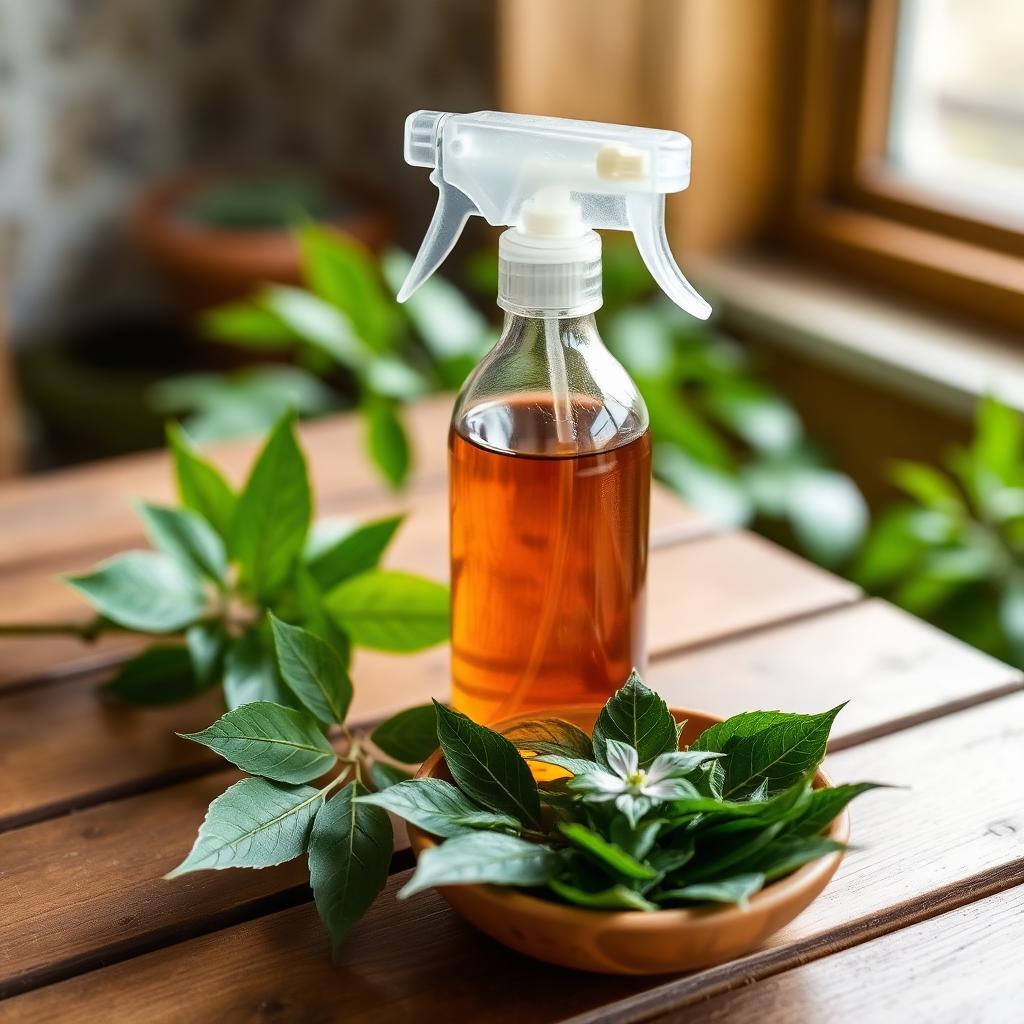
Mix 1 teaspoon of cold pressed neem oil with a third of a teaspoon of liquid castile soap, then dilute in 1 quart of warm water. Spray every 7 days for 3 weeks at dawn or after sunset, coating the tops and undersides of leaves.
That ratio gives roughly a 0.5 to 1 percent neem solution, strong enough to disrupt aphids, spider mites, whiteflies, and powdery mildew while leaving pollinators and most beneficial insects unharmed.
What Neem Oil Actually Does
Neem oil comes from the crushed seeds of the Indian neem tree (Azadirachta indica). The active compound, azadirachtin, does not knock pests dead on contact like a synthetic insecticide. It mimics the hormones that control molting, feeding, and reproduction in soft bodied insects.
A treated aphid stops eating, fails to molt into its next life stage, and never reproduces. Within a week or two, the colony collapses on its own. That slow burn is why people sometimes think neem is not working after a single spray.
Cold Pressed Versus Clarified Hydrophobic
Read the label before you buy. Cold pressed neem is dark, smells like garlic and sulfur, and still contains the full dose of azadirachtin. That is the bottle you want.
Clarified hydrophobic neem extract has had the azadirachtin removed and works only as a smothering oil. It is gentler but will not give you the hormonal disruption that breaks a pest cycle.
The Emulsification Step Nobody Talks About
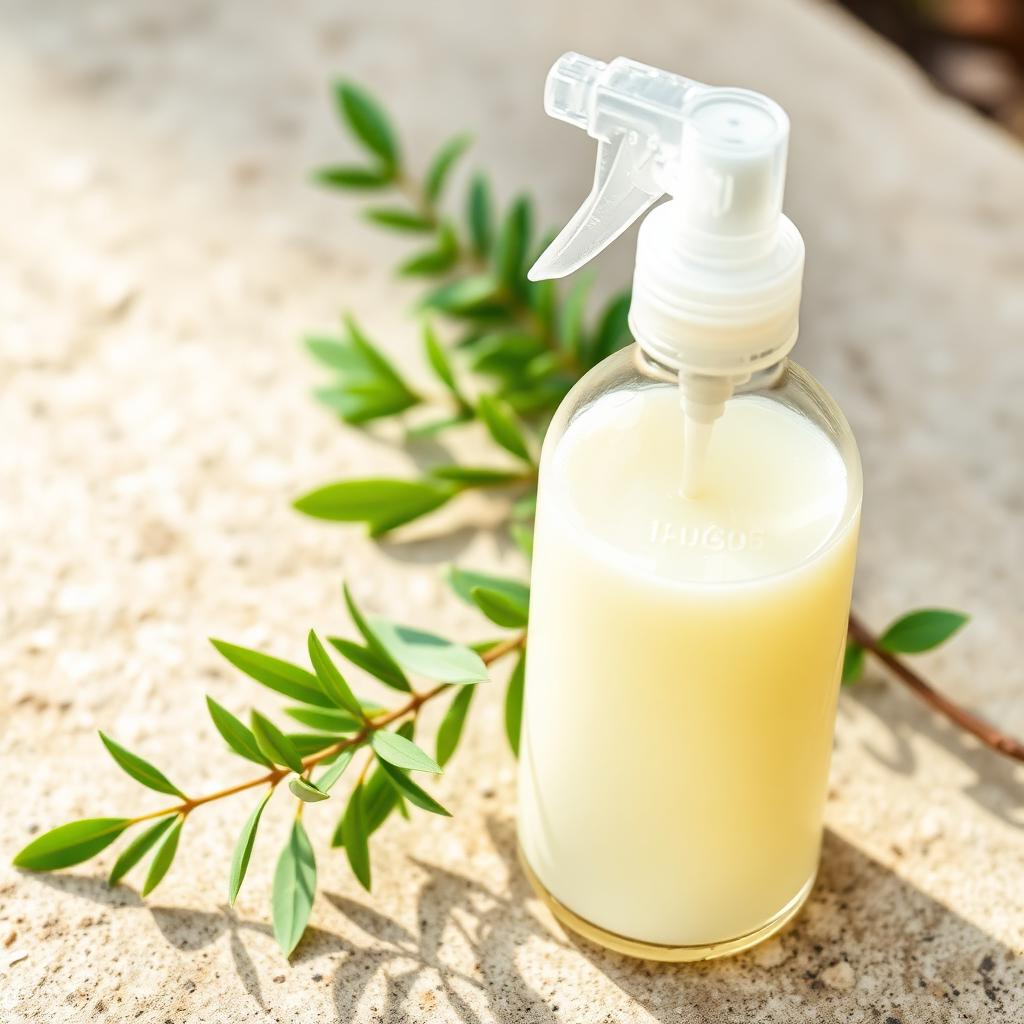
Oil and water separate. If you just shake neem in a bottle of water you will spray patches of pure oil on some leaves and plain water on others. The pure oil patches burn.
An emulsifier fixes that. Pure liquid castile soap or a mild unscented dish soap both work. Combine the oil and soap in the bottle first, swirl until creamy, then add warm water. The mixture should look like thin milk.
The Recipe
- Pour 1 teaspoon of cold pressed neem oil into a clean 1 quart spray bottle.
- Add a third of a teaspoon of liquid castile soap.
- Cap the bottle and swirl for 30 seconds until the oil and soap turn pale.
- Add 1 quart of warm (not hot) water and shake hard.
- Use within 8 hours. Azadirachtin breaks down quickly once mixed with water.
When to Spray
Time of day matters more than people think. Spraying in full sun turns the oil film into a magnifying lens and scorches the leaves. Spraying on a windy day wastes product.
Aim for early morning before the sun hits the plants or late evening once pollinators have gone home. Avoid spraying open flowers directly. Once the spray dries it is largely safe to bees, but a wet droplet on a flower can coat a foraging bee.
What Neem Treats Well
- Aphids, spider mites, whiteflies, thrips, mealybugs, fungus gnat larvae.
- Powdery mildew, black spot, rust, and early blight when caught early.
- Soft scale on houseplants when paired with a cotton swab dipped in alcohol.
Neem is weak against hard bodied chewing pests like Japanese beetles and adult caterpillars. For those, a targeted product like spinosad or hand picking works better.
Safety Rules
Always patch test a new plant. Spray a single leaf and wait 48 hours. If you see scorching or browning, dilute the mix further before treating the whole plant.
Wear gloves and a mask while mixing. Pure neem will sting the eyes and irritate sensitive skin. Keep pets away from wet foliage until it dries.
Do not spray new transplants for at least a week and never spray during a heat wave above 32 degrees Celsius. Stressed plants react badly to any foliar treatment.
How Often to Reapply
For an active outbreak, spray every 7 days for 3 weeks. That covers two full pest reproductive cycles so the next generation never matures.
For prevention during humid mildew prone months, a single application every 14 days is plenty. Rotate with insecticidal soap to avoid building any resistance.
The Takeaway
Neem oil is not magic, it is biology. Buy cold pressed, emulsify it properly, spray at the cool ends of the day, and stick with a weekly rhythm for three weeks. Used that way, one small bottle solves more pest problems in an organic garden than any chemical on the shelf.