Quick Answer
To store tulip bulbs over summer, leave the foliage in place until it yellows and dies back naturally, then lift the bulbs, cure them in a dry shaded spot for two weeks, and store in breathable mesh bags at 18 to 21 degrees Celsius.
Before replanting in warm climates, chill the bulbs for 12 to 14 weeks at 2 to 7 degrees Celsius to satisfy the cold dormancy they need to flower. Never store bulbs near ripening fruit because ethylene gas destroys the flower bud inside.
Why Lift Tulips at All
In cool climates with dry summers, tulip bulbs can stay in the ground year after year. In hot humid summers, heavy clay, or wet irrigated beds, the bulbs rot, split, or shrink to nothing by the following spring.
Lifting and curing protects your investment. It also lets you sort out small offsets to plant separately, throw away diseased bulbs, and redesign the bed for next year.

Step 1: Let the Leaves Die Back Naturally
Once the flowers fade, deadhead the spent blooms so the plant cannot waste energy on seeds. Leave the green foliage alone. Those leaves are solar panels recharging the bulb with sugars for next year's flower.
Do not braid, fold, or tie up the leaves. That just reduces photosynthesis. Wait until the foliage yellows completely and pulls free with a gentle tug, usually 6 to 8 weeks after bloom.
Step 2: Lift Carefully
Use a garden fork rather than a spade to reduce the risk of slicing through a bulb. Push the fork in well outside the bulb cluster, lift gently, and brush off loose soil.
Trim away dead foliage and any long roots. Discard any bulb that feels soft, smells off, or shows blue green mold.
Step 3: Cure for Two Weeks
Spread the cleaned bulbs in a single layer on newspaper, mesh trays, or window screens. Place them in a dry shaded spot with good airflow like a garage, covered porch, or shed.
Let them air dry for 14 days. The papery outer skin firms up and seals the bulb against fungal pathogens. Skip this step and a single damp bulb can spread rot through the entire batch.
Step 4: Summer Storage Environment
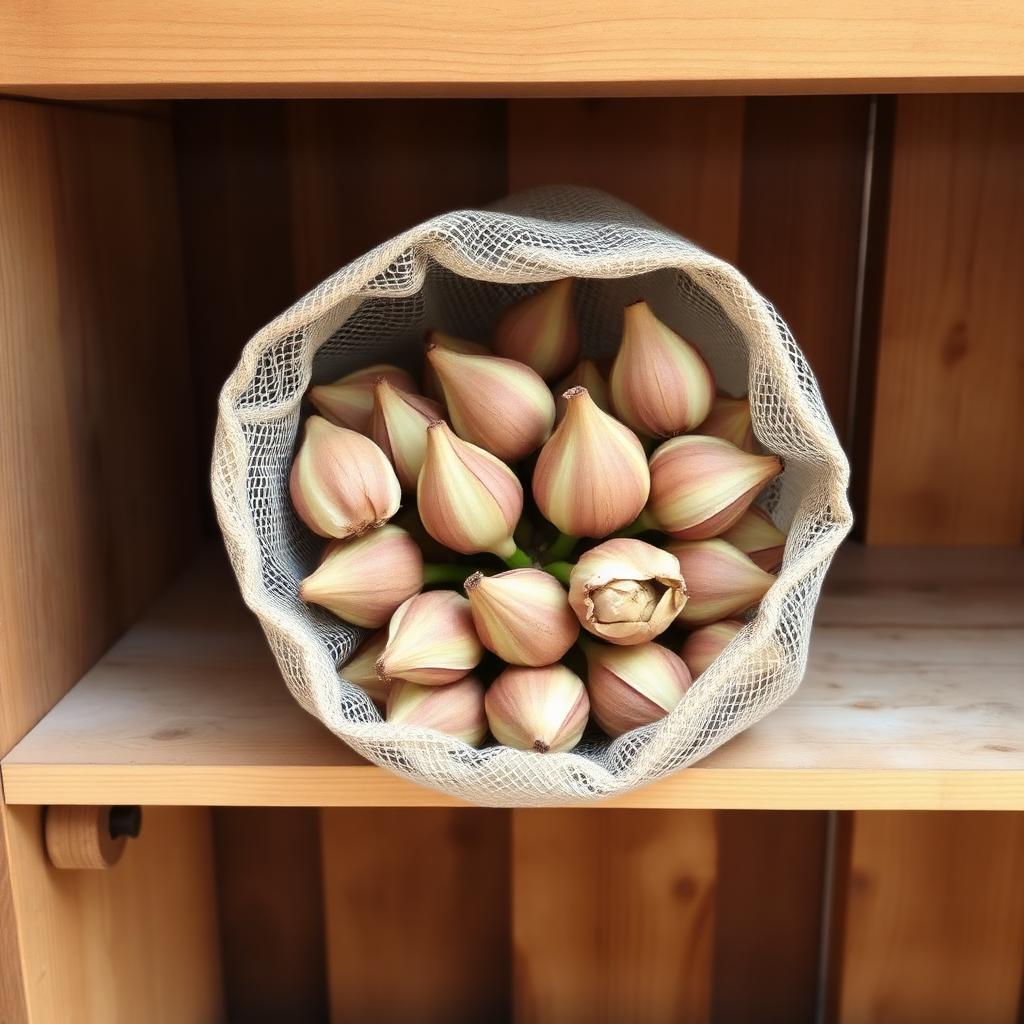
Once cured, place the bulbs in breathable containers. Mesh onion bags, old nylon stockings, or paper bags with the top folded over all work well. Avoid airtight plastic, which traps moisture and breeds mold.
Store at 18 to 21 degrees Celsius in a cool, dark, dry spot. A basement shelf, a closet on a north wall, or the bottom of a garage cabinet usually works. Check the bulbs once a month and toss any that have softened.
Step 5: The Cold Chill Before Planting
Tulips need a long cold period called vernalization to set flower buds. In growing zones with cold winters, the ground itself provides the chill once you replant in autumn.
In warm climates without a real winter, you have to create the cold cycle. Place the bulbs in a paper bag and store them in the refrigerator at 2 to 7 degrees Celsius for 12 to 14 weeks before planting in late winter or early spring.
Critical safety note. Keep tulip bulbs far from apples, pears, bananas, and other ripening fruit. Ripening fruit releases ethylene gas, which kills the developing flower inside the bulb and leaves you with leaves but no blooms.
Common Storage Mistakes
- Lifting before the leaves die back. The bulb is not finished recharging.
- Storing in sealed plastic. Trapped moisture causes rot every time.
- Keeping bulbs in the fridge with fruit. Ethylene destroys flowers.
- Skipping the cure. Damp bulbs spread fungus through the storage container.
- Storing in a humid basement. Aim for 50 percent humidity or lower.
The Takeaway: Replanting in Autumn
Plant tulip bulbs in autumn once soil temperatures drop below 13 degrees Celsius. Set them 6 to 8 inches deep, pointed end up, in well drained soil with a handful of bone meal in each hole.
Mulch lightly to insulate against extreme cold swings, then wait for the show. Properly stored bulbs will return as strong as the spring you lifted them.