Quick Answer
To stop dog barking permanently, identify the trigger first (alert, demand, boredom, anxiety), then teach a Quiet cue using positive reinforcement. Suppressing the bark with shock collars or shouting masks the symptom but leaves the underlying stress in place, which is why the barking always comes back.
Most dogs respond within two to four weeks of consistent training, often faster.
Step 1: Identify why your dog is barking
Barking is communication. Until you know what the dog is saying, no training will hold.
- Alert / territorial: Barking at the mail carrier, passing dogs, the doorbell.
- Demand: Barking at you for food, attention, or a toy.
- Boredom / isolation: Long repetitive barking when left alone.
- Fear / anxiety: Barking with body lowered, ears back, tail tucked.
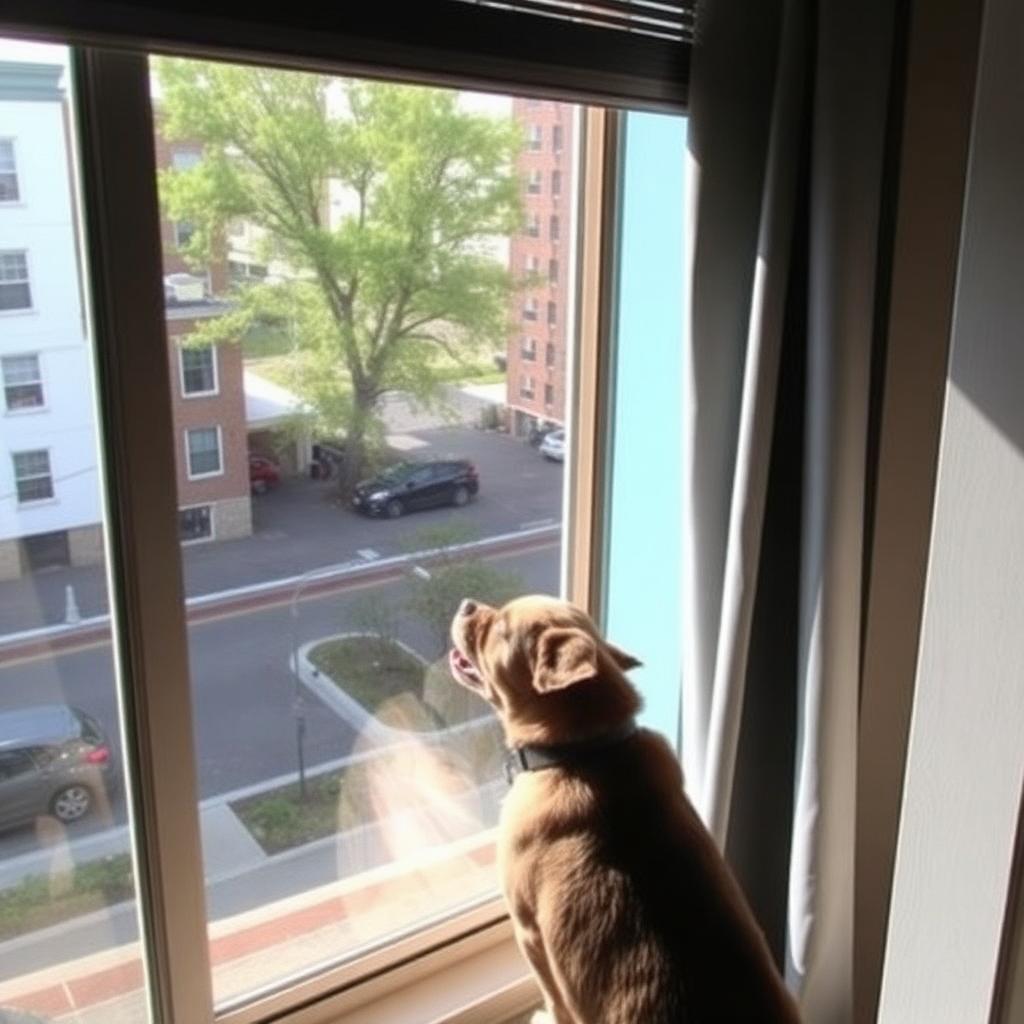
- Frustration: Barking at the window because they cannot reach what they see.
Each trigger has a different fix.
Step 2: Manage the environment first
Before you train, remove the easy wins.
- Close the blinds or use window film for window barkers.
- Use white noise to mask street sounds for alert barkers.
- Crate or pen during high trigger windows (school pickup, mail delivery).
- Stop reinforcing demand barking. Ignore completely until the dog is quiet, then reward.
Management is not training, but it cuts the rehearsal of the behaviour, which makes training stick faster.
Step 3: Teach the Quiet cue
- Allow two or three barks. Acknowledge the alert.
- Hold a high value treat under the nose. The smell interrupts the bark.
- Say Quiet in a calm, neutral voice.
- Wait three seconds of silence. Mark with a click or Yes, then deliver the treat.
- Build duration. Across sessions, extend the silence window from three to five, then ten, then thirty seconds.
- Generalise. Practice in every room and outside, with different triggers.
Step 4: Fix the trigger long term
For alert barkers
Pair the trigger with a treat. Doorbell rings, dog gets cheese. Repeat 50 times. The doorbell starts predicting food, not intrusion, and the bark fades.
For demand barkers
Reward the calm, never the noise. If the dog barks for dinner, the bowl goes back on the counter. Dinner appears the second the dog is quiet for five seconds.
For boredom barkers
Audit the enrichment. A frozen Kong, a snuffle mat, a 20 minute training session, and a real walk are non negotiable. Doggy daycare twice a week often fixes the rest.
For anxious barkers
This is the one case where a professional helps fastest. A certified behaviourist (look for IAABC or CCPDT credentials) can design a counter conditioning plan and your vet can rule out pain or thyroid issues that worsen anxiety.
What not to do
- Do not shout. The dog hears barking with you and gets louder.
- Do not use a shock collar for alert barking. It suppresses the warning without addressing fear, often increasing aggression.
- Do not use citronella or ultrasonic collars long term. They wear off as the dog habituates.
- Do not punish a fearful bark. You will deepen the fear and end up with a dog that bites instead of barks.
FAQs about stopping barking
How long until I see results?
Demand and alert barking usually start improving in 7 to 14 days with consistent training. Anxiety based barking can take months.
Are some breeds harder to quiet?
Yes. Beagles, terriers, and many herding breeds were bred to be vocal. You can reduce the barking but rarely eliminate it.
Can a debarking surgery help?
It is widely considered unethical, banned in many countries, and never addresses the underlying cause. Skip it.
The takeaway
The shortest route to a quiet dog is the longest route: identify the trigger, manage the environment, teach a Quiet cue with rewards, and address the root cause. Two to four weeks of patient work beats a lifetime of shouting at the window.