Quick Answer
The fastest way to secure a garage door is to block the emergency release exploit (a wire coat hanger can fish the release cord through the top weatherstrip and disengage the door in seconds), upgrade to a rolling code opener if yours predates 1993, add a manual side track lock for vacations, and put smart sensors on the door so you get an alert any time it opens.
A 10 cent zip tie on the release lever stops most opportunistic break ins. The other steps close the rest of the gap.
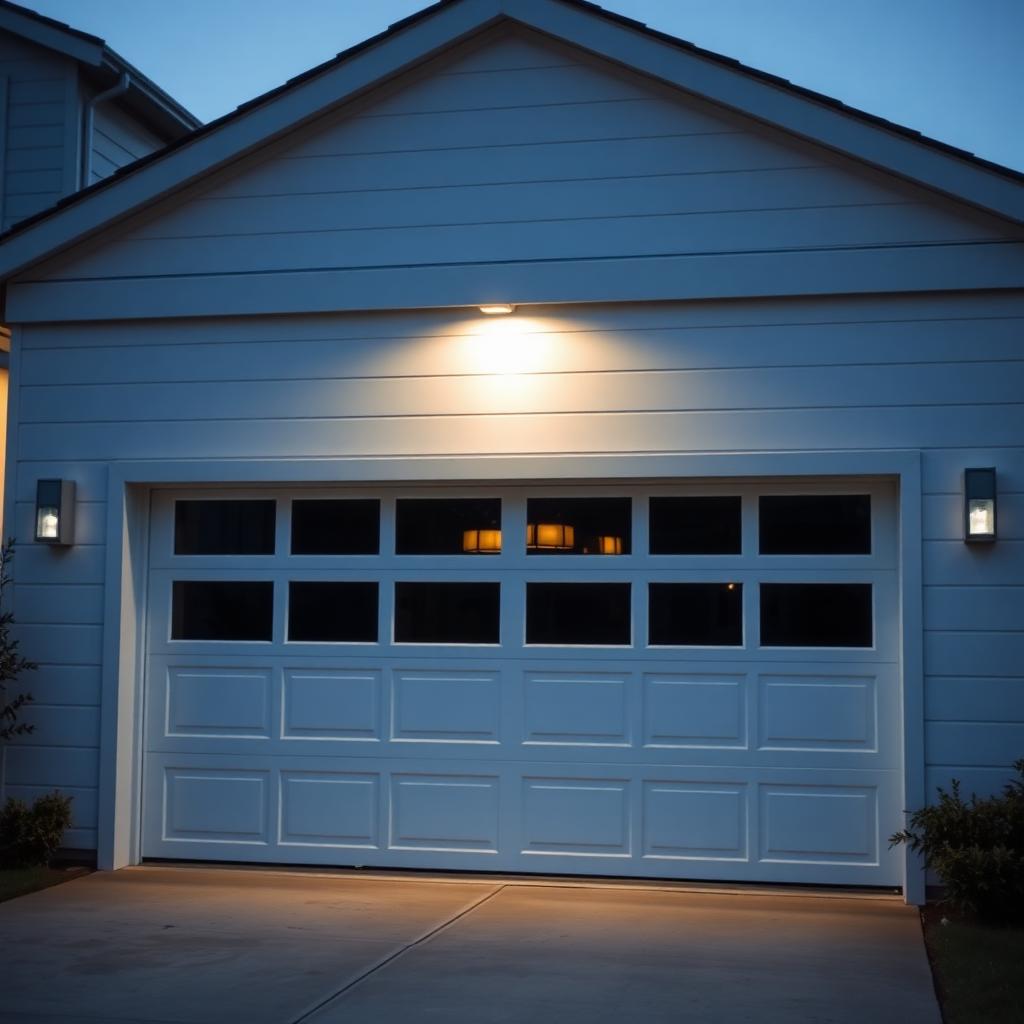
Garages are the most overlooked entry point in residential security.
Block the coat hanger exploit
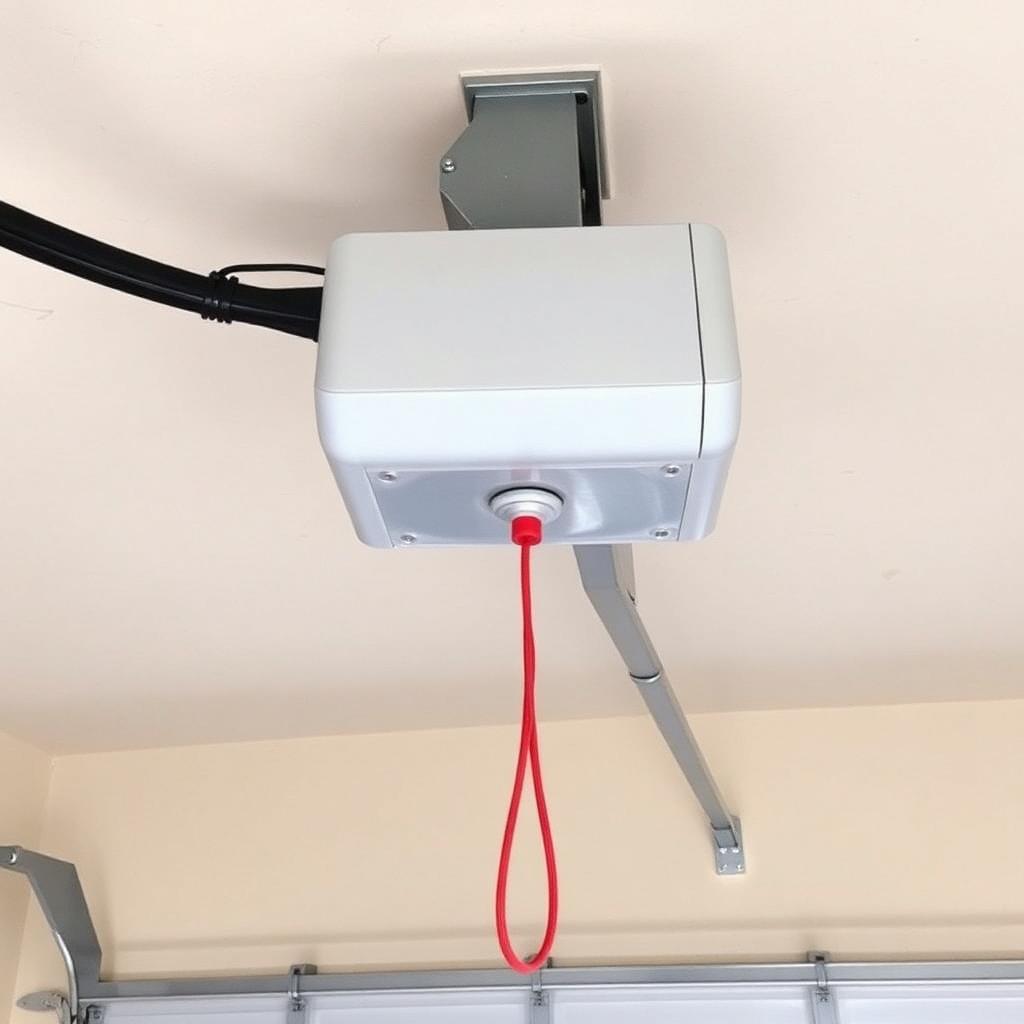
Most automatic garage doors ship with a red emergency release cord that lets you disconnect the door from the opener trolley during a power outage. The same cord can be fished from outside by sliding a bent wire through the top rubber seal. Once the release pulls, the door rolls up freely.
Two minute fix:
- Cut the plastic handle or loop off the bottom of the release cord so there is nothing for a hook to catch.
- Run a heavy duty zip tie through the hole on the release lever and anchor it to the carriage. From outside, a wire cannot generate enough force to break the tie. From inside during a real power outage, a firm hard pull snaps the tie so you can still get out.
Upgrade to a rolling code opener
Garage door openers made before 1993 use fixed dip switch codes that never change. Modern code grabber devices, sold openly online for under 100 dollars, can copy that signal from the driveway and replay it later.
Rolling code technology, branded by different manufacturers as Security Plus, Intellicode, or SecurityCode, picks a fresh code from billions of possibilities every time you click the remote. The opener and remote stay in sync, but a copied signal is useless five seconds later.
If your opener is older than the early 1990s, replacement is the upgrade with the highest security return per dollar.
Add a manual track lock for vacations
Smart electronics fail. A physical lock on the door track does not.
- Slide bolt: many garage doors have factory holes in the vertical track. A slide bolt locks the door to the frame so it cannot be forced upward, even if power is cut.
- Padlock substitute: if your track has no built in bolt, snap a heavy duty padlock through one of the open holes just above a roller. Same effect.
- Garage door zip lock: a C shaped clamp that pinches the track is the apartment friendly version.
Engage these only when you are leaving for several days. Leaving them on during daily use risks driving the motor against a locked door.
Cover the inside access door
Once inside the garage, the burglar still faces the door into the house. That door is often the weakest point in the whole property because homeowners assume the garage protects it.
- Treat the interior door as an exterior door. Install a deadbolt and a solid core or steel door.
- Add a strike plate with 3 inch screws that bite into the wall stud, not just the door frame.
- Avoid windows in the door itself, or use frosted security film.
Smart sensors and lighting
A few inexpensive additions handle the everyday "did I leave it open" problem and add a deterrent layer.
- Smart garage controllers like myQ, Tailwind, or Meross send phone alerts when the door opens and let you close it remotely.
- Motion activated floodlights over the driveway double as a deterrent and a camera trigger.
- Outdoor cameras facing the door capture license plates and let you see who is approaching.
- Window film on any glass panels in the door blocks the view of tools, vehicles, and valuables inside.
What to never do
A few common habits silently lower garage security.
- Storing the garage door remote clipped to the visor of a car parked in the driveway. A broken window is all it takes.
- Leaving the side service door unlocked because the main garage door is closed.
- Programming the garage code on a publicly visible keypad next to the door without setting a timeout.
- Hiding a spare house key in the garage. If the garage falls, the house falls.
The takeaway
A zip tie on the emergency release closes the easiest exploit. A rolling code opener closes the digital one. A track lock and smart sensors handle vacations and forgetfulness. A reinforced interior door buys you a real second barrier. Most break ins go for the easiest path, so even two or three of these upgrades push burglars toward another house.
Frequently asked questions
Will the zip tie stop me from using the emergency release during a power outage?
No. A firm hard pull from inside the garage snaps a standard zip tie. It only resists the indirect tug a coat hanger can apply from outside.
How do I tell if my opener is rolling code?
Look at the model sticker. Anything built after 1993 from a major brand uses rolling code. If you still program it with physical dip switches, upgrade.
Are smart garage openers safe from hacking?
Reputable brands use encrypted cloud connections. The main risk is your home wifi password, so use a strong one and enable two factor authentication on the app.
Does homeowner insurance care about garage security?
Some insurers offer small discounts for monitored security systems that include garage sensors. Ask your provider before installing.