Quick Answer
The reliable way to save money on hotels in 2026 is to sort by guest review score (not by stars), compare Booking.com or Hotels.com with the hotel's direct site, join one mainstream loyalty programme (Marriott Bonvoy, Hilton Honors, IHG One Rewards, Accor or World of Hyatt) and book refundable rates until 24 hours before arrival.
That combination usually saves 15 to 30 percent versus the first price you see and avoids the "cheap hotel that ruined the trip" problem.
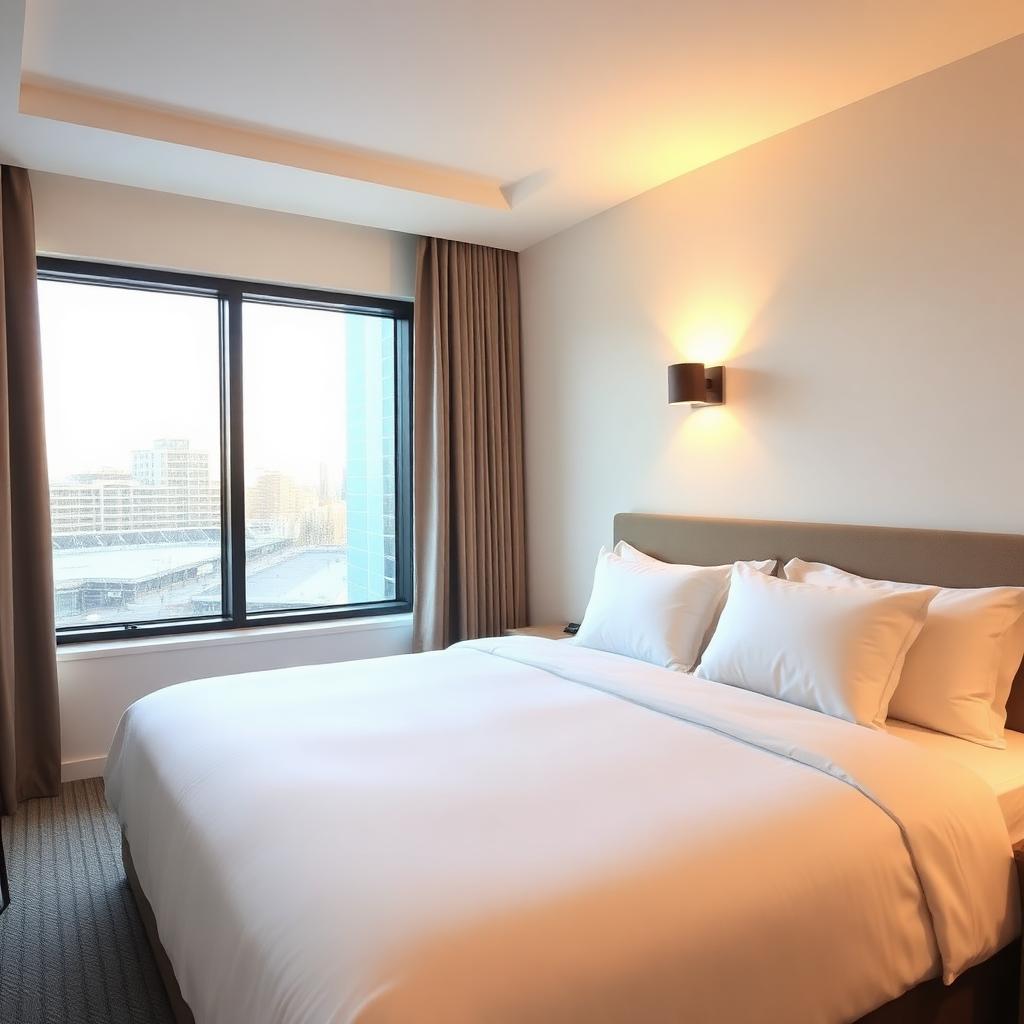
Sort by Guest Score, Not Stars
The official star rating is a regulatory category about facilities (elevator, room size, restaurant). It tells you nothing about whether the place is clean, quiet, well-managed or in a good neighbourhood. Sort instead by Booking.com's guest score (above 8.5 is reliably good) or Google's review rating (above 4.6). A 3-star with 9.0 almost always beats a 4-star with 7.6 on the trip you actually have.
Compare OTAs and the Direct Site
Trivago, Kayak and HotelsCombined are meta-search engines: they show prices across OTAs and the hotel's own site in one view. The hotel direct rate is sometimes lower (especially with the loyalty discount) and usually comes with better cancellation terms.
If the direct rate matches, book direct. You earn loyalty points, get better rooms at check-in, and can deal with problems directly instead of through an OTA call centre.
Use One Loyalty Programme
Loyalty stacking five programmes does not pay off any more. Pick one based on where you travel:
- Marriott Bonvoy , the broadest global footprint, especially in North America and Asia.
- Hilton Honors , strong in U.S. business cities and Europe.
- IHG One Rewards , best mid-tier value, big footprint in U.K. and Asia.
- Accor , strongest in Europe and Asia-Pacific.
- World of Hyatt , smaller but the most generous award chart.
Members consistently get a 5 to 10 percent discount on the direct rate, free wi-fi, and the chance of a complimentary room upgrade. A co-branded credit card pushes you to status faster.

Timing the Booking
For city-break leisure travel, book about 3 to 6 weeks out. Hopper and Booking.com data both show flexible rates dip in that window, then climb in the last 10 days. Beach resorts and ski lodges work the opposite way: book 3 to 9 months out for the deepest discounts.
For business cities (London, New York, Tokyo, Singapore), prices follow conferences. Check the city's convention calendar; one big event can triple rates city-wide. Move the trip one week earlier or later and rooms can fall by 50 percent.
Refundable Rates Are a Free Option
A free-cancellation rate is usually 5 to 10 percent more expensive than the non-refundable, but it lets you keep rebooking when the price drops. Set a calendar reminder for 36 hours before the cancellation deadline and recheck the price. If it has fallen, cancel and rebook. If it has not, you lose nothing.
Apartments and Aparthotels for Groups
For 3 or more travellers, an apartment or aparthotel (Sonder, Citizen M, Mama Shelter on the chain side; Vrbo and Airbnb on the platform side) almost always undercuts two hotel rooms once you factor in breakfast and the ability to cook one meal. Filter to apartments with 50+ reviews and 4.8+ rating to weed out the bad ones.
Shoulder Season Beats Any Promo
Late September to early November and late March to early May are the structural shoulder windows for most of Europe and Asia. Rates fall 25 to 40 percent versus peak. Most cities are quieter and the weather is still usable. No promo code beats moving the calendar.
Skip These "Hacks"
- Mystery booking sites (HotelTonight, Priceline Express). Sometimes cheaper, often not, and you sacrifice cancellation and loyalty.
- VPN-shifted bookings. Hotels close this loophole regularly and the savings, when they exist, are small.
- Calling and "asking for a deal" cold. The front desk rarely has authority to undercut the OTA rate; the revenue manager who does is not picking up.
Bottom Line
To save money on hotels without staying somewhere bad, sort by guest score, compare meta-search with the direct site, join one loyalty programme, book refundable rates and recheck the price, and shift the trip toward shoulder season. That stack consistently knocks 20 percent off the rate on a hotel you would actually want to stay in.
Use Credit Card Hotel Portals Carefully
Chase Travel, Amex Fine Hotels & Resorts, and Capital One Travel can be cheaper than direct rates and often include perks like breakfast and a USD 100 property credit. The catch: you usually do not earn loyalty stays or points, and changes go through the portal rather than the hotel.
Rule of thumb: book through the portal for short stays where the perks beat the points, book direct for stays where status or stay credit matters.
Long Stays and Weekly Rates
Most hotel chains offer an unpublished long-stay discount (7 nights or more). Call or email the property directly and ask. Aparthotels (Sonder, Mama Shelter, Adagio, Citadines) are built for this and routinely drop 20 to 30 percent on weekly bookings.
Free Nights and Welcome Bonuses
One co-branded hotel credit card per chain (Marriott Boundless, Hilton Honors Surpass, IHG Premier) typically pays a 100,000-point welcome bonus and a free night each anniversary. That is one or two free nights a year for the price of an annual fee, which usually pays for itself on the first redemption.