Quick Answer
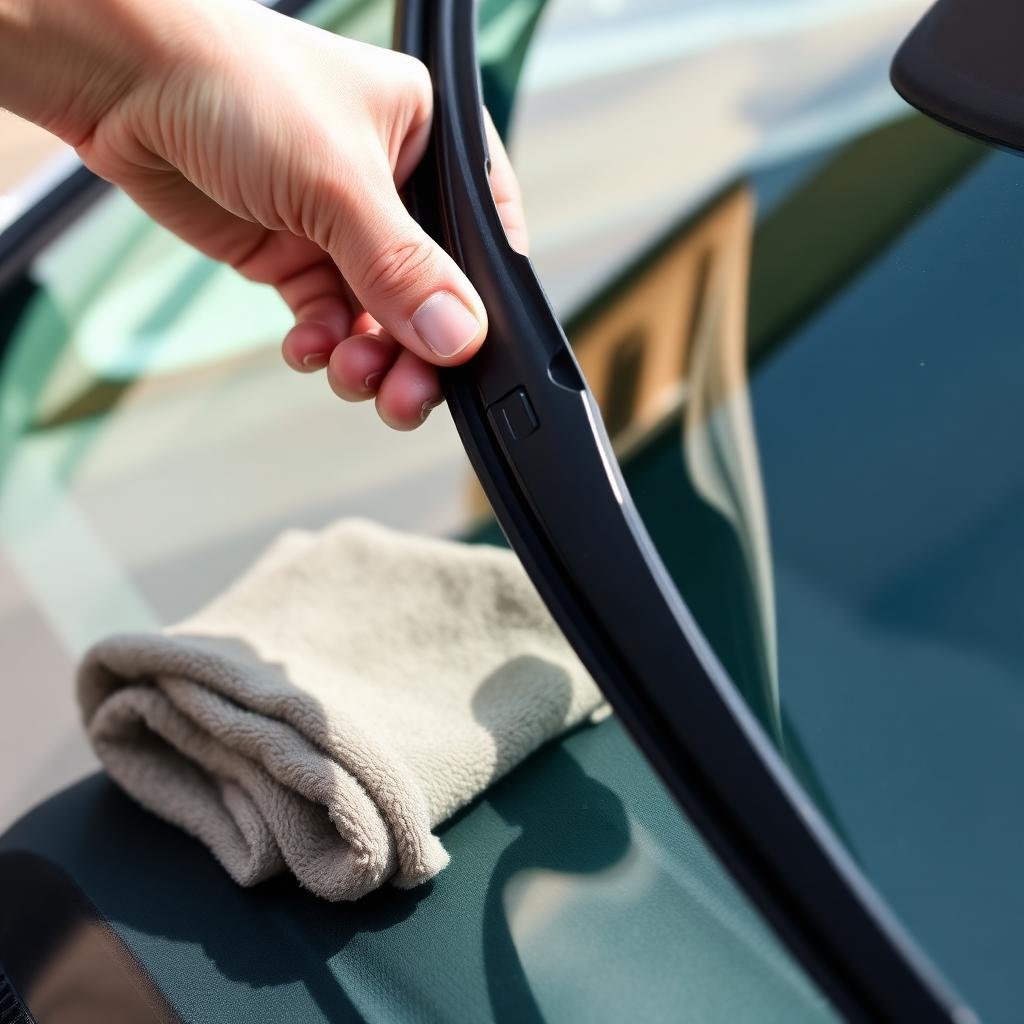
Look up the exact wiper sizes for your car (the driver and passenger blades are almost always different lengths), buy a matching pair with the right connector style, lift the arm vertical, lay a folded microfiber towel on the glass under the arm, press the small release tab on the J hook adapter and slide the old blade off downward toward the hood, slide the new one on until it clicks, and lower the arm gently back onto the glass.
The towel is not optional. The wiper arm is spring loaded; if it slips out of your hand without a blade attached, the bare metal hook hits the glass hard enough to crack it.
Buy the right blades
The single most common mistake is buying two blades of the same length. On most modern cars the driver side is 22 to 26 inches and the passenger side is 17 to 20. Look up your year, make, and model in the catalog at any auto parts store or in your owner's manual. While you are at it, check the connector style. J hook is the most common, but pinch tab, side pin, and bayonet connectors exist on European and some Asian models. Most replacement blades ship with three or four adapters so the same blade fits multiple cars.
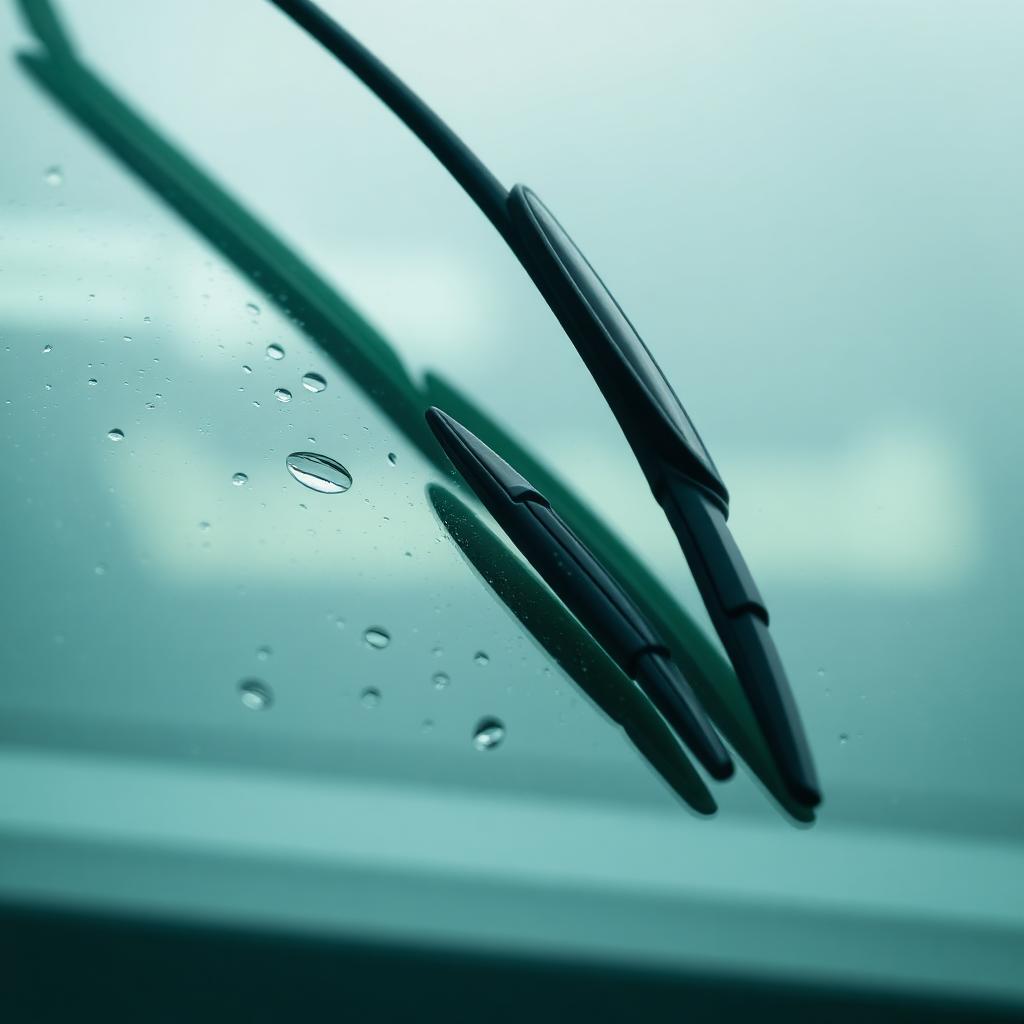
Spend a bit more on a beam or hybrid blade rather than a traditional frame design. Beam blades have no exposed metal frame, do not pack with snow, and last about 50 percent longer in cold climates. The price difference is usually a few dollars per blade.
Tools and prep
- Two replacement blades in the right sizes.
- A folded microfiber towel or a thick shop rag.
- Optional: a small flathead screwdriver for stiff release tabs.
No power tools, no jack, no removing trim. Park on level ground and turn the ignition off so the wipers do not cycle while your hands are on them.
The five minute swap
- Lift each wiper arm straight off the glass until it locks vertical. Do this with the blades still attached; the blades cushion the glass if you misjudge the angle.
- Place the folded towel on the windshield directly under the arm.
- On the joint where the blade meets the arm, find the small plastic tab. Press it firmly with your thumb.
- While holding the tab in, slide the entire blade down toward the hood. The hook will pop free.
- Take the new blade, align its connector with the J hook, and slide it up the arm until you hear a single firm click. Tug gently to confirm it is locked.
- Lower the arm slowly back onto the glass, lift the towel off, and repeat for the other side.
If the release tab is stuck
Old blades often have a release tab cemented in place by years of road grime. Spray it with a shot of soapy water, wait 30 seconds, and try again. If it still will not move, slip a small flathead screwdriver into the slot next to the tab and pry gently while you slide. Do not force the blade off without releasing the tab first; you will snap the adapter and might damage the arm.
Testing and rear wipers
With the engine on, spray the washer fluid and run a full sweep. The new blades should leave a clean arc with no streaks, no chatter, and no skipped sections. A new blade that streaks usually means the glass is contaminated; clean the windshield with isopropyl alcohol on a clean towel and run the test again.
If your car has a rear wiper, the process is the same but the connector is usually a side pin or a small bayonet rather than a J hook. Pull the cap off the arm pivot to find the pin and swap as instructed on the blade packaging.
When to replace, and how often
Plan on a new pair every 6 to 12 months. Sun and ozone, not use, are what degrade the rubber. Signs you are overdue:
- A high pitched chatter or skip across the glass.
- Streaks that survive a second pass.
- Visible tearing or warping of the rubber edge.
- Wiper smearing that worsens at night with oncoming headlights.
A pair of mid range blades is one of the highest safety value purchases you can make for a car. Even a perfectly maintained vehicle becomes dangerous in heavy rain if the driver cannot see clearly through it.
Winter blades and beam upgrades
In climates with sustained sub freezing weather, dedicated winter blades are worth the seasonal swap. They wrap the entire frame in rubber to prevent snow pack, and the rubber compound is formulated to stay flexible at low temperatures. Beam style summer blades work surprisingly well in light snow because there is nothing for snow to pack into, which is why many drivers in mild winter regions now run beam blades year round and skip the seasonal change.
The takeaway
Wiper replacement is the cheapest, easiest safety upgrade on any car. Buy the right sizes and connector style, keep a towel on the glass from the second you lift the arm until the new blade is clicked in, and the job is done before your coffee gets cold. The one rule that matters: never let a bare metal wiper arm meet the windshield directly.