Quick Answer
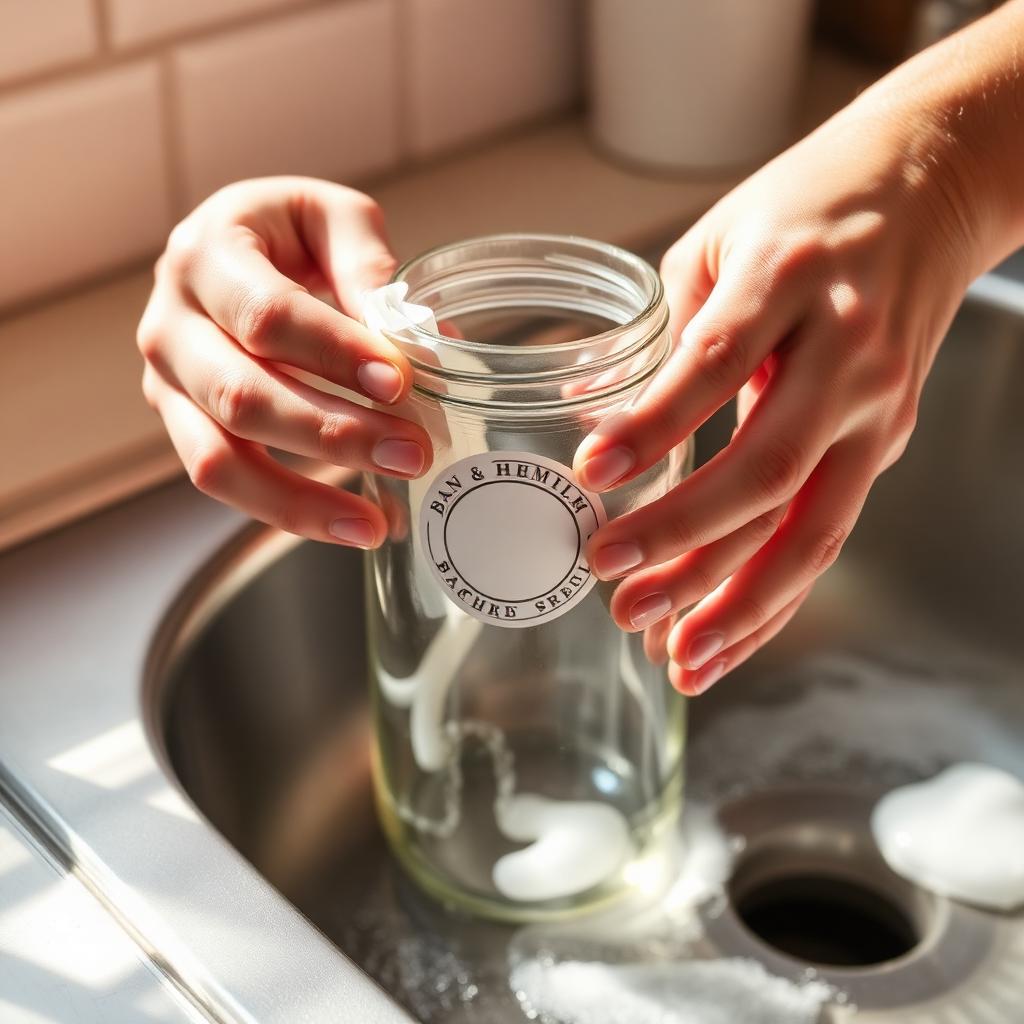
For paper labels, soak a cotton pad in rubbing alcohol or white vinegar, press it onto the sticker for 5 minutes, then peel. For vinyl decals, warm the surface with a hair dryer for 60 seconds and lift a corner with a plastic card. For the sticky gray ring left behind, smear cooking oil or peanut butter onto the residue, wait 10 minutes, and wash with dish soap.
Always work on cold glass and avoid metal blades, which scratch the surface.
Why stickers are so hard to remove cleanly
Whether you are cleaning a new picture frame, repurposing a mason jar, or scrubbing a faded bumper sticker off a car window, manufacturers use high-strength acrylic polymer adhesives designed to never fall off in transit. Pull dry and you get torn paper, gray gummy film, and possible scratches if you reach for a knife.
The right approach is chemistry: match a solvent to the sticker material, let it dissolve the adhesive, and the label slides off in one piece.
Solvent matrix
| Sticker type | Best solvent | Method |
|---|---|---|
| Paper label | 70% isopropyl alcohol or white vinegar | Saturated cotton pad, 5-minute soak |
| Vinyl decal | Direct heat | Hair dryer 60 seconds, peel with plastic card |
| Sun-baked window decal | Goo Gone or citrus solvent | Apply, wait 10 minutes, scrape with razor at 15 degrees |
| Sticky adhesive residue | Cooking oil or peanut butter | Smear, wait 10 minutes, wash with dish soap |
1. Vinyl and plastic decals: use heat
Liquid solvents cannot pass through a waterproof vinyl shell, so they never touch the adhesive underneath. Heat softens the acrylic polymer instead.
- Set a household hair dryer to its highest heat setting.
- Hold the nozzle 3 inches from the decal and move continuously over the surface for 60 seconds.
- Wedge a plastic gift card or your thumbnail under a corner.
- Peel slowly and steadily in one direction. The whole decal should lift in a single sheet.
If the vinyl resists, give it another 30 seconds of heat. Never let the glass get hot enough that you cannot comfortably touch it, since rapid temperature shifts can crack the surface.
2. Paper labels: solvent saturation
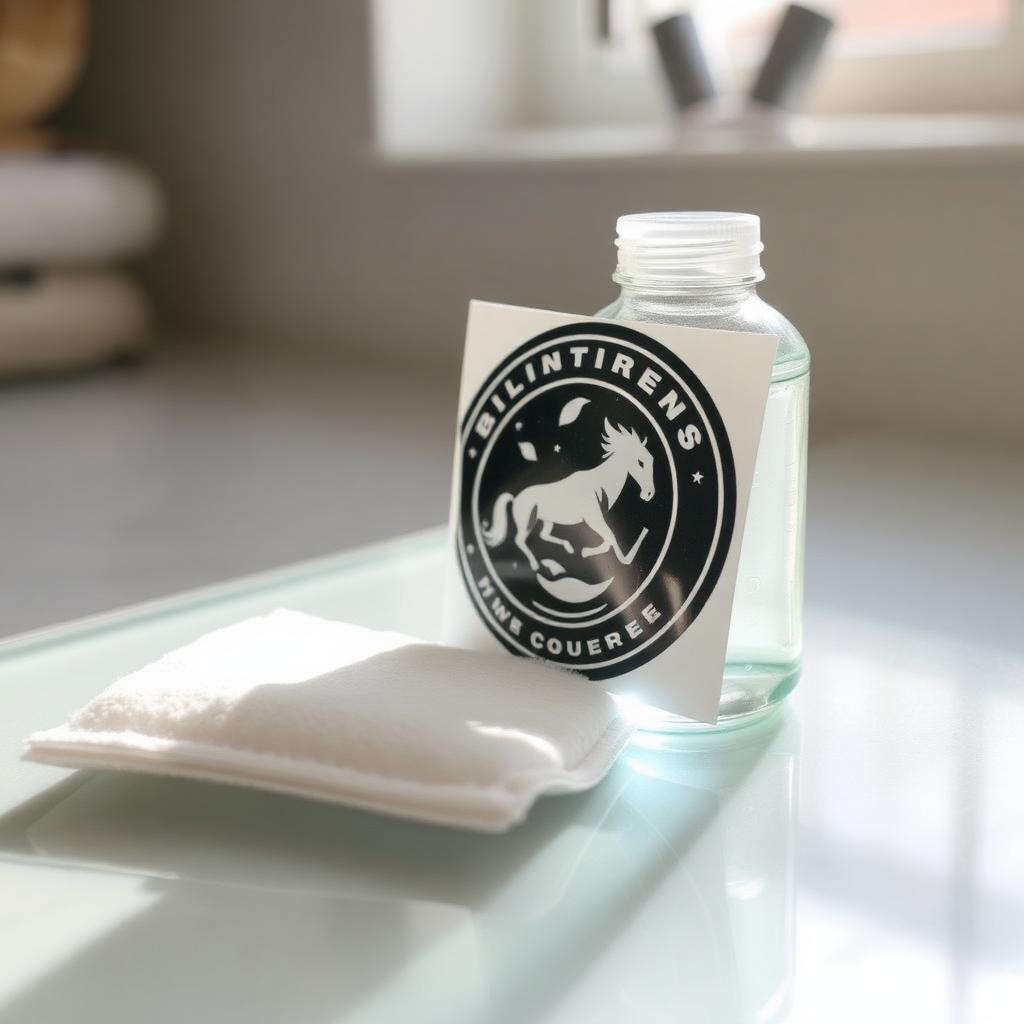
For traditional paper stickers, the porous fibers let liquid pass through and reach the adhesive.
- Soak a cotton pad in 70 percent isopropyl rubbing alcohol, acetone (nail polish remover), or undiluted white vinegar.
- Press the wet pad flat against the sticker.
- Hold or tape in place for a full 5 minutes.
- Peel the softened label off in one motion.
Acetone is the fastest but the harshest. Alcohol is the all-rounder. Vinegar is the gentlest if you are nervous about painted or printed glass.
3. Removing the gray sticky residue ring
Even after the paper comes off, a tacky gray ring of adhesive often stays behind. This residue is a polymer best dissolved by oils, not water.
Smear a generous layer of cooking oil (olive, vegetable, coconut) or plain peanut butter directly over the sticky patch. Let it sit for 10 minutes. The oils bond with the adhesive polymers and break them down. Wipe with a paper towel, scrub the area with a non-scratch sponge and Dawn dish soap to strip the oil film, and dry with a microfiber cloth for a streak-free finish.
Commercial citrus-based products like Goo Gone work on the same principle and are particularly effective on stubborn, sun-baked auto stickers.
4. The razor blade method (for tough auto glass)
For sun-cooked bumper stickers on the rear window of a car, a single-edge razor blade in a plastic holder is the professional move. Always use a fresh blade and always work on flat tempered automotive glass, never on plastic headlights, painted surfaces, or curved decorative glassware.
- Spray the sticker with soapy water or Goo Gone.
- Hold the blade at a 15 degree angle to the glass, almost flat.
- Push gently, lifting the sticker in long strips.
- Finish with glass cleaner and a microfiber cloth.
Never use a razor on tinted glass, since the tint film is on the inside and can be sliced easily.
5. What to avoid
- Steel wool: scratches glass even when it looks gentle.
- Bleach: does not dissolve adhesive and damages finishes nearby.
- Hot water on cold glass: thermal shock can crack.
- Acetone on painted glass or printed bottles: strips the print along with the sticker.
Takeaway
The right solvent and a 5 to 10 minute wait make sticker removal effortless. Heat for vinyl, alcohol for paper, oil for the sticky ring, and a final dish-soap wash for that pristine clear-glass finish.