Quick Answer
Soft dental plaque can be removed at home in the 24 to 72 hour window before it mineralizes into hard tartar. Brush twice a day for two minutes with a soft-bristled brush held at a 45 degree angle to the gumline, floss once a day using a C-shape wrap around each tooth, and finish with an antimicrobial mouth rinse.
Once plaque has hardened into tartar (calculus), it cannot be brushed away at home and requires a professional dental cleaning.
Plaque vs tartar: why timing matters
Every day, a sticky clear film of bacteria called dental plaque coats your teeth and wraps around the gumline. Plaque feeds on the sugars in your food, releases acidic byproducts that dissolve enamel, and inflames the gum tissue (early gingivitis).
Plaque is soft and removable by mechanical brushing and flossing. But if it sits undisturbed for roughly 24 to 72 hours, it absorbs minerals from your saliva and chemically crystallizes into tartar (calculus). Tartar is rock-hard, bonds tightly to enamel, and only a dental hygienist with specialized instruments can scrape it off.
The whole point of home oral hygiene is breaking up the biofilm before it gets that chance.
Daily plaque removal toolkit
| Tool | Frequency | What it does |
|---|---|---|
| Soft-bristled or electric toothbrush | Twice daily, 2 minutes | Mechanical removal from tooth surfaces |
| Floss, tape, or water flosser | Once daily | Removes plaque between teeth and under gumline |
| Antimicrobial mouth rinse | Once daily | Disrupts bacterial chains, slows regrowth |
| Tongue scraper | Once daily | Reduces bacterial reservoir on tongue |
1. Master the modified Bass brushing technique
Most people brush with a horizontal sawing motion. This misses the gumline and slowly wears away gum tissue, leading to recession.
The technique recommended by dentists is the modified Bass:
- Place the toothbrush at a 45 degree angle pointing toward the gumline.
- Use gentle pressure and short, circular vibrating strokes.
- Let the outer bristles slide into the small pocket where teeth meet gums (the gingival sulcus).
- Spend roughly 30 seconds on each quadrant for a full 2 minutes.
Replace your toothbrush head every 3 months, or sooner if the bristles look splayed. An electric brush with a built-in 2-minute timer does the timing work for you and is consistently more effective at biofilm removal in clinical studies.
2. Floss daily, with the right C-shape technique
A toothbrush only reaches about 60 percent of total tooth surface area. The other 40 percent sits packed between teeth, where neither bristles nor mouthwash can reach. Skipping floss leaves nearly half the plaque biofilm to harden into interdental tartar.
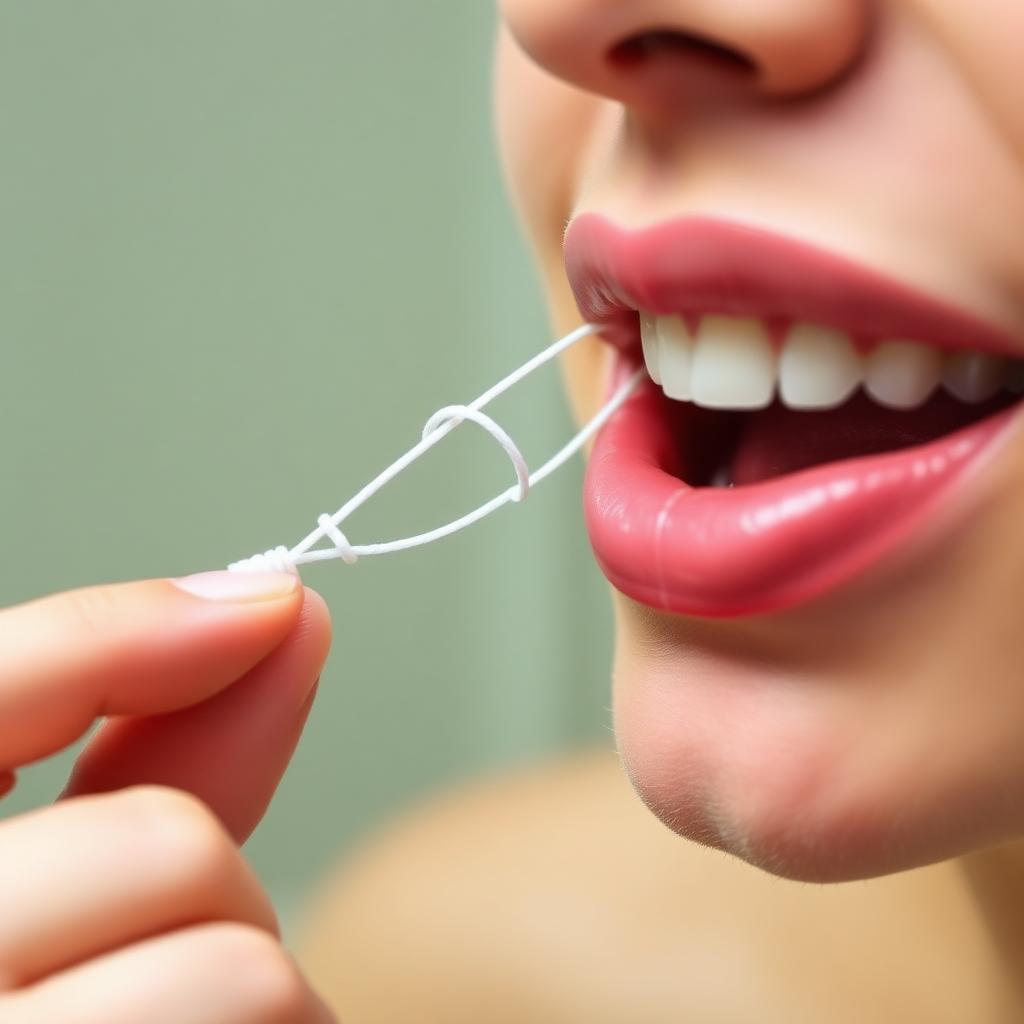
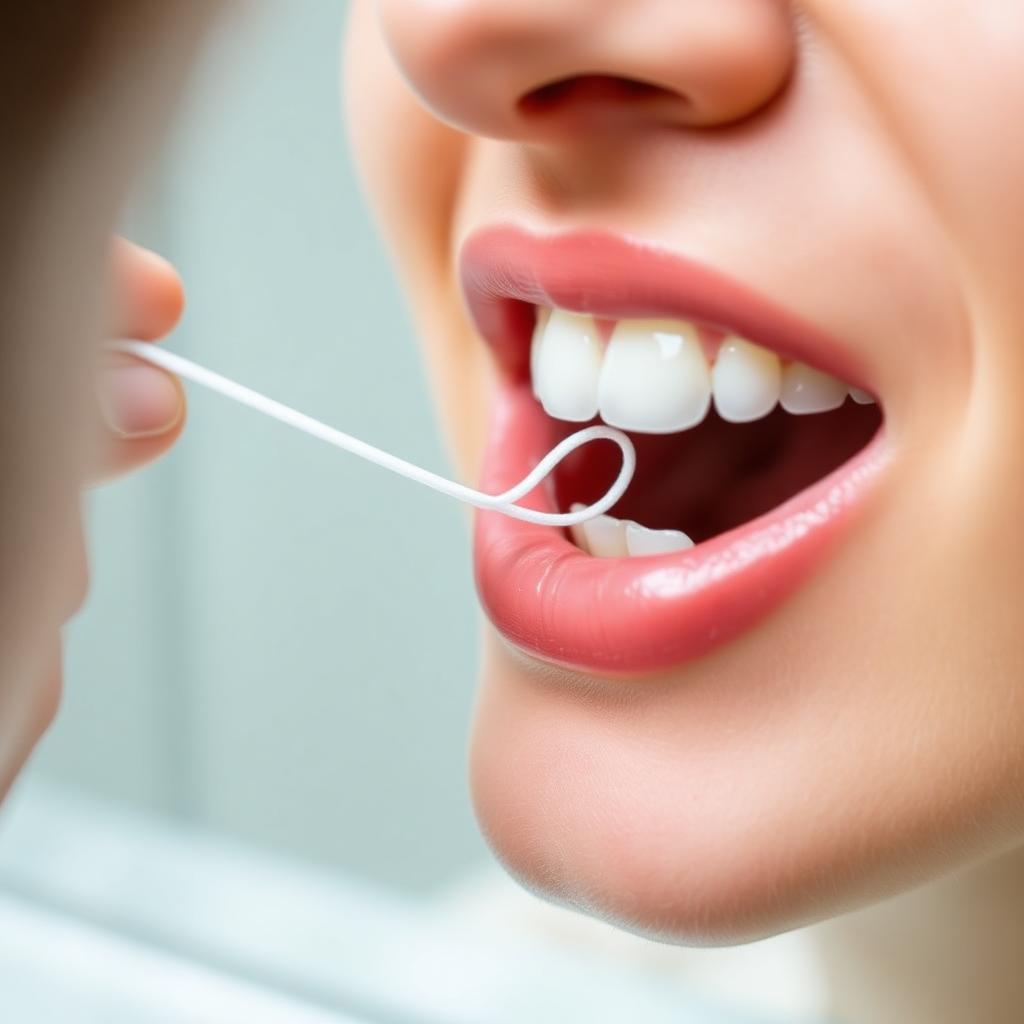
Pull an 18-inch strand taut between your fingers. Slide it gently through the contact point between two teeth. Once past the contact, curve the floss into a C-shape wrapping the side of one tooth, then slide it up and down, dipping a hair below the gumline. Switch the C onto the neighboring tooth and repeat before moving to the next gap.
If string floss feels awkward, a water flosser (such as a Waterpik) is a clinically proven alternative for many users and is especially helpful around braces, bridges, and implants.
3. Finish with an antimicrobial rinse
Add a therapeutic mouthwash containing active ingredients like cetylpyridinium chloride (CPC), chlorhexidine (short-term use only, by dentist recommendation), or essential oils such as eucalyptol, thymol, and menthol (the active mix in Listerine).
Swish for a full 30 seconds, then spit. Do not rinse with water afterward, which would wash the active ingredients away. The rinse kills loose bacteria on the tongue, cheeks, and tooth surfaces and slows the rate at which new plaque biofilm rebuilds.
Avoid alcohol-based rinses if you have dry mouth, since alcohol can worsen it.
4. Helpful adjuncts (not substitutes)
A few extras genuinely help, but none of them replace the brush, floss, and rinse triad:
- Tongue scraping: pulls a surprising amount of bacterial residue off the back of the tongue, reduces bad breath.
- Sugar-free xylitol gum after meals: stimulates saliva, which neutralizes acid and remineralizes enamel.
- Fluoride toothpaste: strengthens enamel and makes it more resistant to plaque acids.
- Disclosing tablets: chewable dye that stains remaining plaque pink so you can see what you missed and adjust technique.
5. Home remedies that do not work
Skip the viral hacks. Scraping tartar off with a metal dental pick from the drugstore is a great way to slice the gums and embed bacteria. Baking soda paste is mildly abrasive and can help with stains, but it does not dissolve hardened tartar. Oil pulling has limited evidence and is not a substitute for flossing.
If you can see or feel hard yellow or brown buildup near the gumline that does not come off with your brush, that is tartar. Book a professional cleaning every 6 months (or every 3 to 4 months if your dentist recommends it for gum disease).
Takeaway
Plaque is a daily problem with a daily solution. Two minutes of correct brushing, one minute of correct flossing, and 30 seconds of rinsing, performed consistently, prevent the soft biofilm from ever becoming the hard tartar that only a dentist can remove.