Quick Answer
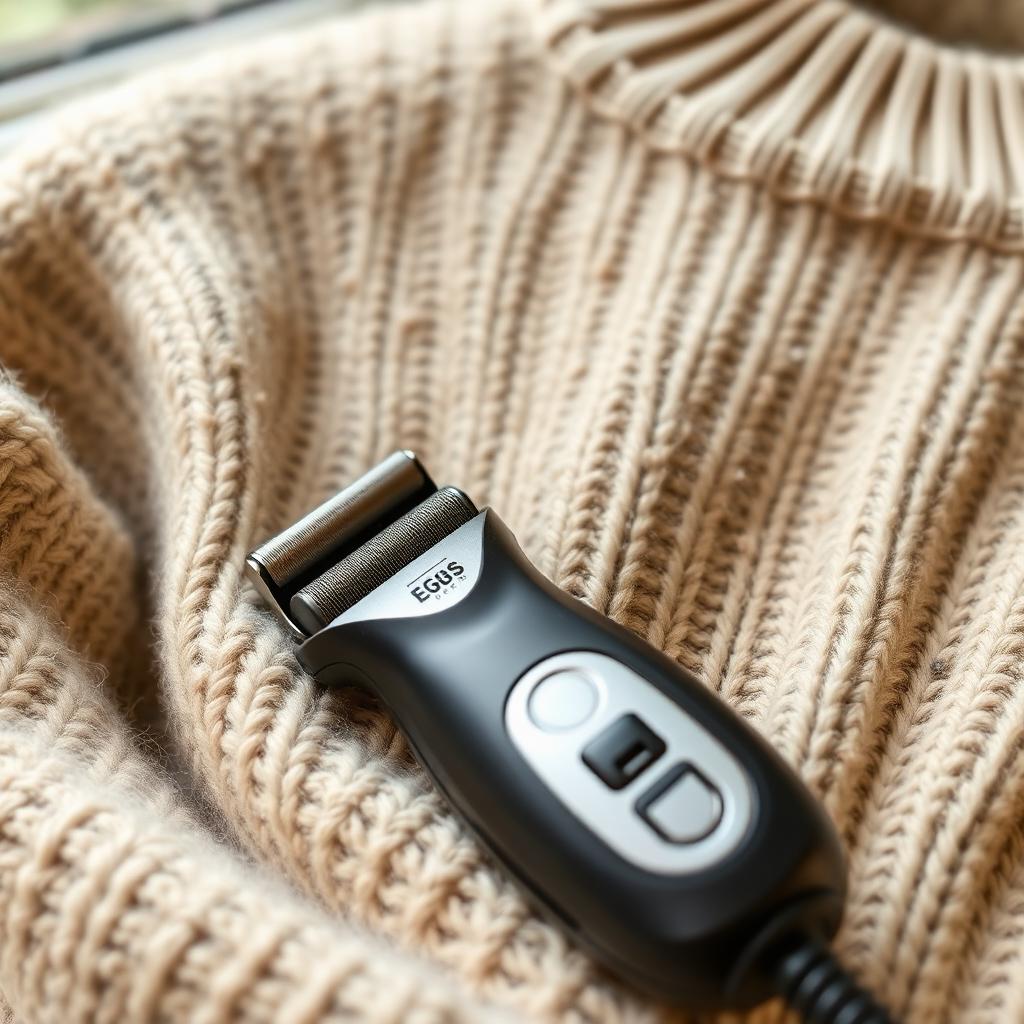
For most knits and sweaters, an electric fabric shaver (10 to 25 dollars) is the safest and fastest tool. Lay the garment flat, pull the fabric taut and glide the shaver in slow circular passes. For delicate cashmere or merino, use a fine tooth sweater comb. For heavy fleece, a sweater stone works well. A disposable razor is the emergency option for cotton and synthetics but easy to misuse.
What pilling actually is
Pills are tiny tangled balls of loose fibres that form on the surface of fabric. They appear wherever friction is highest: underarms, inner thighs of leggings, the side of a sleeve that brushes against a bag strap, the seat area of a sofa cushion.
Three things drive how much a garment pills:
- Fibre length. Short staple fibres (most cottons, low grade wool, acrylic) work loose more easily than long staple fibres (Egyptian cotton, fine merino, mulberry silk).
- Fibre strength. Polyester and acrylic fibres are so strong that pills do not break off on their own. Natural fibres usually pill less because the pills detach during normal wear.
- Yarn twist. Loosely spun yarns shed more than tightly twisted yarns.
That is why a mid range merino-acrylic blend often pills the worst: the acrylic locks the pills in place forever.
The right tool for each fabric
- Fine cashmere, merino, silk blends: a fine tooth sweater comb or a soft cashmere comb. Pull gently in one direction along the grain.
- Chunky knits, acrylic sweaters, cotton blends: an electric fabric shaver. The internal blade rotates behind a fine mesh that protects the underlying weave.
- Heavy fleece, polar fleece, towelling: a pumice stone or sweater stone. The slightly abrasive surface lifts and snaps pills without cutting the fabric.
- Cotton t shirts, leggings, performance synthetics: a fresh disposable razor used with great care, or a small fabric shaver.
Electric fabric shaver, step by step
Step 1: lay the garment flat
Spread the item on a hard, smooth surface like an ironing board, a kitchen counter or a hard cutting board. Soft surfaces (a bed) let the fabric bunch under the shaver and increase the risk of catching a hole.
Step 2: pull the fabric taut
Place your non dominant hand flat next to the area you will shave and gently smooth the fabric so it is flat and lightly stretched. Any wrinkle is a potential snag.
Step 3: glide, do not press
Turn the shaver on. Move it across the surface in small overlapping circles. Let the weight of the device do the work; do not press down. Pressing forces the blade closer to the underlying weave and can cut fibres you wanted to keep.
Step 4: empty the lint chamber often
A full chamber lifts the protective screen away from the fabric and reduces effectiveness. Most shavers fill within two or three passes over a sweater.
Step 5: shake or roll the garment
When finished, give the garment a sharp shake or use a lint roller to lift loose pills the shaver left behind. Inspect under bright light and re shave any remaining clusters.
Manual razor method
Use only on flat, even fabrics like cotton jersey or polyester blends. Never on cashmere, merino, silk or anything textured.
- Lay the garment flat and pull the area taut.
- Hold a fresh single edge or twin blade razor at a 45 degree angle to the fabric.
- Use short, light, downward strokes. Pressure ruins everything here.
- Wipe the razor on a damp cloth between strokes to remove the lint.
- Stop the moment you feel the blade catch.
Sweater comb method
Best for high end knits. The comb has fine evenly spaced teeth (often metal) that snag the pill base without disturbing the weave.
- Lay the sweater flat. Do not stretch.
- Hold the comb at a shallow angle and pull in one consistent direction along the grain of the knit.
- Repeat in short overlapping strokes.
- Brush off the lifted pills with your hand or a soft cloth.
How to prevent pills from coming back
Most pilling happens in the washing machine, not during wear. Modify your laundry routine and you will halve the rate at which new pills form.
- Turn garments inside out before washing. The outside friction now happens on the inner surface.
- Wash in cold water on the gentle or delicate cycle. Hot water swells fibres and weakens the bond between them.
- Use mesh laundry bags for knits and delicates. They isolate the garment from zippers, hooks and rough cotton items.
- Skip the dryer for knits. Tumble drying is the single most aggressive thing that happens to a sweater. Lay flat to dry.
- Use a liquid detergent rather than powder. Powder granules act as a mild abrasive on fibres.
- Add a fabric softener or wool wash. A coating of softener reduces inter fibre friction.
- Wash full loads (but not overstuffed). A half empty drum tumbles more aggressively; an overstuffed drum increases friction. Aim for three quarters full.
Garments that will always pill
Some fabrics are inherently pill prone. If you hate maintenance, avoid:
- Acrylic, lambswool or wool acrylic blend sweaters under 100 dollars.
- Polyester fleece in dark colours (pills are very visible).
- Soft brushed cotton sweatshirts.
- Cheap cashmere from fast fashion brands (the fibres are too short).
FAQs
Will dry cleaning remove pills?
No. Dry cleaning solvent dissolves oils, not tangled fibres. Some dry cleaners offer a separate pill removal service; ask.
Can I prevent pilling on leggings?
Mostly yes. Wash inside out, on cold, in a mesh bag, line dry, and never wash with towels or zip up hoodies. The friction from rough fabrics is what kills leggings.
Does shaving a sweater shorten its life?
A properly used electric shaver removes only the loose surface pills and does not damage the underlying weave. Done correctly it can be repeated dozens of times over the life of a garment.
The takeaway
Pilling is not a sign that a garment is ruined; it is a sign that friction has done its job. Choose the right tool for the fabric (shaver for most things, comb for cashmere, stone for fleece), work slowly with the garment flat and taut, and shift to inside out cold washes to keep new pills from forming. With those habits a favourite sweater stays presentable for many seasons longer than you would expect.