Quick Answer
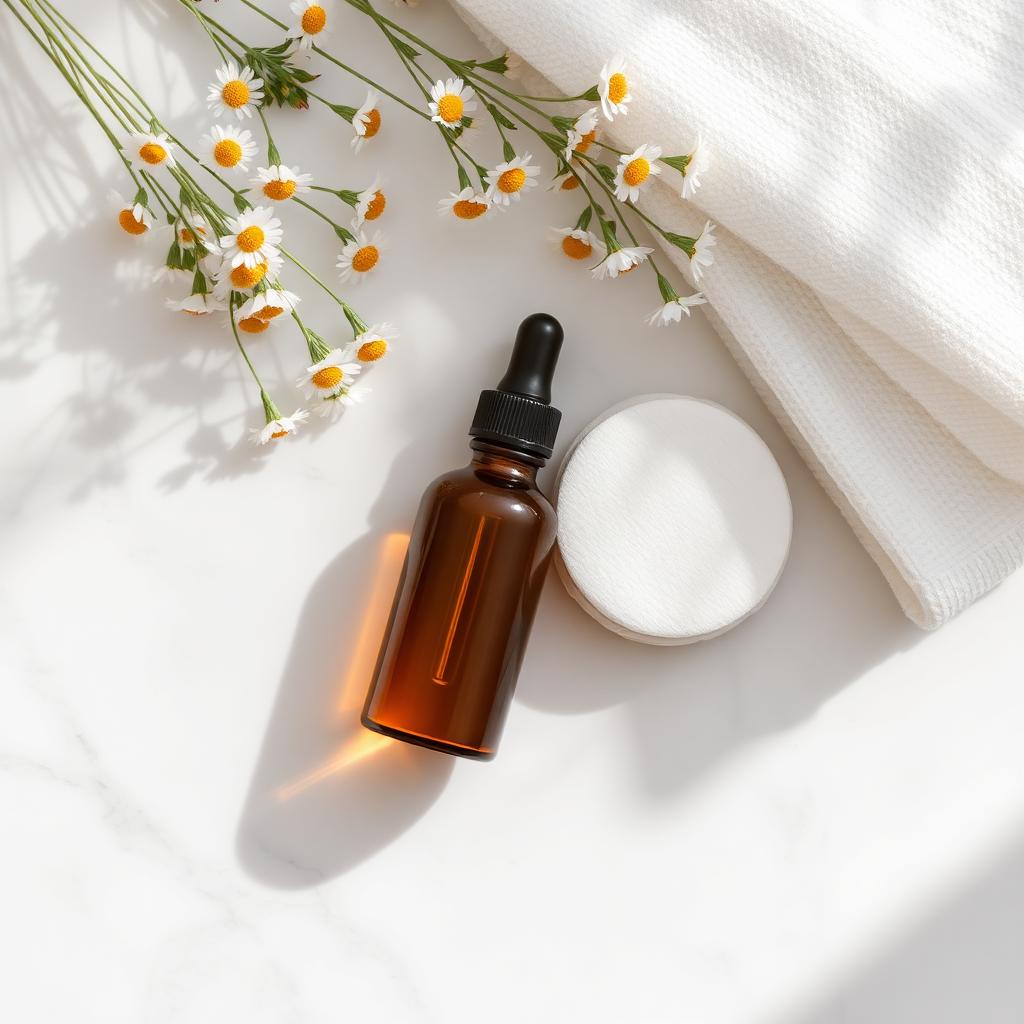
Use a double cleanse. First, massage an oil-based cleanser or cleansing balm onto dry skin for about 60 seconds to dissolve makeup, sunscreen, and sebum. Splash with warm water so the oil emulsifies, then rinse. Second, apply a gentle water-soluble foaming or gel cleanser to damp skin for another 60 seconds to wash away anything the oil left behind. Pat dry with a clean microfiber towel.
Skip the wipes. Pre-moistened makeup wipes mostly smear product around the surface and contain alcohols and preservatives that strip the skin barrier. They are fine for the back of an Uber, not for nightly use.
The double-cleanse layers
| Phase | Product | Target |
|---|---|---|
| 1. Oil | Cleansing balm or oil | Makeup, sunscreen, sebum (oil-soluble) |
| 2. Water | Gentle foaming or gel cleanser | Sweat, pollution, residue (water-soluble) |
| 3. Dry | Fresh microfiber towel | Mechanical blot, not rub |
Why a single cleanse is not enough
The basic rule of cleansing chemistry is that like dissolves like. Long-wear foundations, silicone primers, waterproof mascara, and mineral sunscreens are hydrophobic, meaning they repel water but dissolve in oil. A water-based cleanser alone cannot fully break them down. Pile on the foam, scrub harder, and you end up stripping the barrier without actually removing the product underneath.
An oil-based first step dissolves those polymers cleanly. The second water-based step then sweeps away the dissolved residue plus the water-soluble grime (sweat, airborne pollution, leftover oil) that the first step is not designed to lift. The two together leave the skin actually clean without barrier damage.
Step 1: oil cleanse on dry skin
Start with dry hands and a dry face. Water at this stage causes some balms to emulsify too early and lose their ability to grip the makeup.
- Scoop a nickel-sized amount of cleansing balm (jojoba, sunflower, or sweet almond oils are gentle bases) into your hands. Warm it between your palms until it melts.
- Massage the balm onto your dry face in slow circles for about 60 seconds. Focus on the lash line, the sides of the nose, and the chin.
- Watch waterproof mascara, foundation, and sunscreen melt into a loose slurry. Do not pull or scrub at your eyes.
- Splash a handful of warm water onto your face. The oil emulsifies into a milky liquid, which is how you know the formula is working. Rinse fully.
If your skin feels slick after rinsing, the oil cleanse is doing its job. The next step removes that residue.
Step 2: water-based cleanse on damp skin
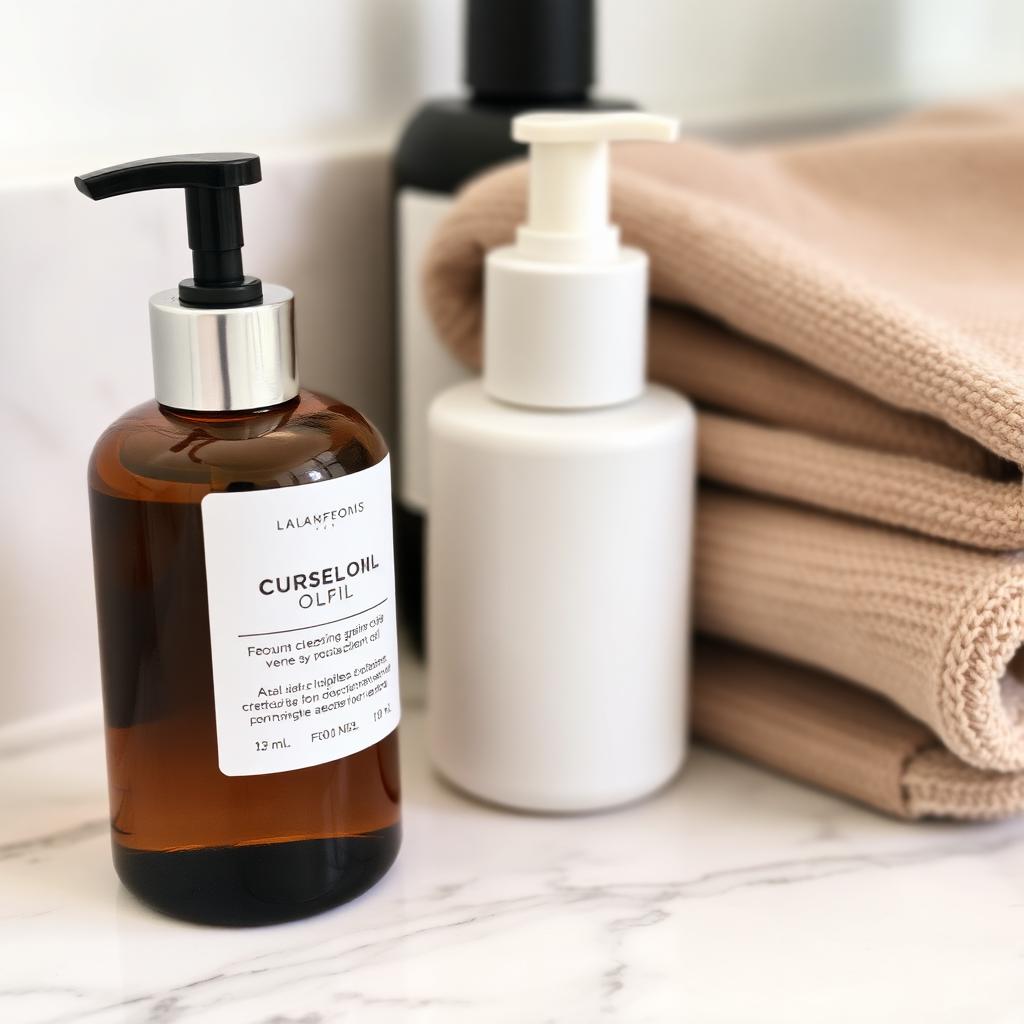
With your skin still damp from the rinse, pump out a small amount of a gentle water-soluble cleanser. Look for formulas with ceramides, glycerin, or panthenol on the label, and avoid sulfates if your skin runs dry or sensitive.
Massage the cleanser into the skin for 60 seconds. The full minute matters. Studies on cleansing efficacy consistently show that cleansers need contact time to lift residue; a five-second swipe leaves most of the work undone. Rinse with lukewarm water until your skin feels smooth but not squeaky.
Step 3: pat dry with a clean towel
This is the step most people skip and most dermatologists wish they would not. Never use the shared bathroom hand towel on your face. Towels hanging in damp bathrooms collect bacteria quickly, and you are pressing that bacteria directly into freshly cleaned pores.
Use a fresh microfiber facial towel or a disposable cotton pad each time. Pat, do not rub. Apply your serum and moisturizer while the skin is still slightly damp, which traps water in the layers and gives the moisturizer a job to do.
Special cases
Eye makeup that will not budge. After the oil cleanse, hold an oil-soaked cotton pad over closed eyes for 15 seconds, then gently wipe outward. The dwell time dissolves waterproof formulas without the friction that pulls out lashes.
Acne-prone skin. Choose a non-comedogenic cleansing oil (squalane, jojoba, hempseed) and a gel-based second cleanse with salicylic acid or zinc PCA. The double cleanse is still right; the formulas just shift.
Dry or sensitive skin. Stick to creamy second cleansers, skip exfoliating acids in the same routine, and rinse with lukewarm water, never hot. Hot water strips the barrier faster than any cleanser.
What about micellar water
Micellar water is fine for a mid-day touch-up or a no-sink situation. It does not replace a full cleanse, because the micelles lift surface dirt but rely on a rinse to be fully removed, and most people apply micellar water on a cotton pad and walk away. Use it sparingly, follow with a water rinse when you can, and keep the proper double cleanse for the end of the day.
How long this should take
Done properly, the routine is about three minutes total, two minutes of which is massage. If you find yourself rushing it, do the oil cleanse only on heavy-makeup days and a single gentle cleanse on no-makeup days. A consistent routine is better than a perfect one done irregularly.
The takeaway
Oil first to dissolve, water second to wash, pat dry with a clean towel. Skip wipes for daily use. The result is skin that actually got clean, without the dryness or breakouts that come from over-stripping the barrier.