Quick Answer
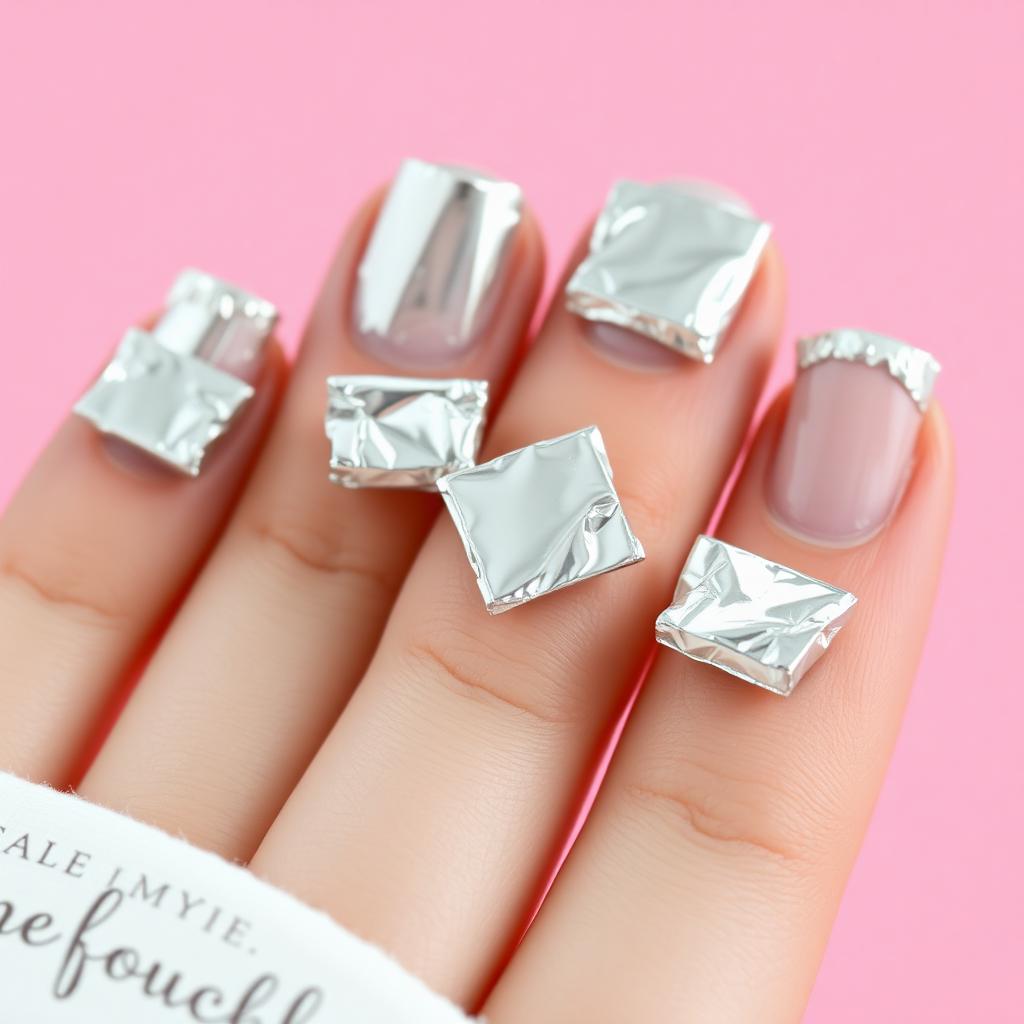
Acrylic nails come off cleanly only when the polymer is chemically broken down with 100 percent pure acetone, never pried off. The fastest safe method at home is clip the extension short, file the shiny topcoat to a matte finish, then soak each fingertip in acetone soaked cotton wrapped in foil for 20 to 30 minutes.
If the acrylic is still hard when you unwrap it, re soak for another 5 to 10 minutes. Forcing it off is what causes the thinning, peeling, and weeks of recovery that scare most people away from doing this at home.
The whole process takes about 45 minutes from start to finish and costs under 10 dollars in supplies.
What you need before you start
Skip nothing on this list. Substitutions are where most at home removals go wrong.
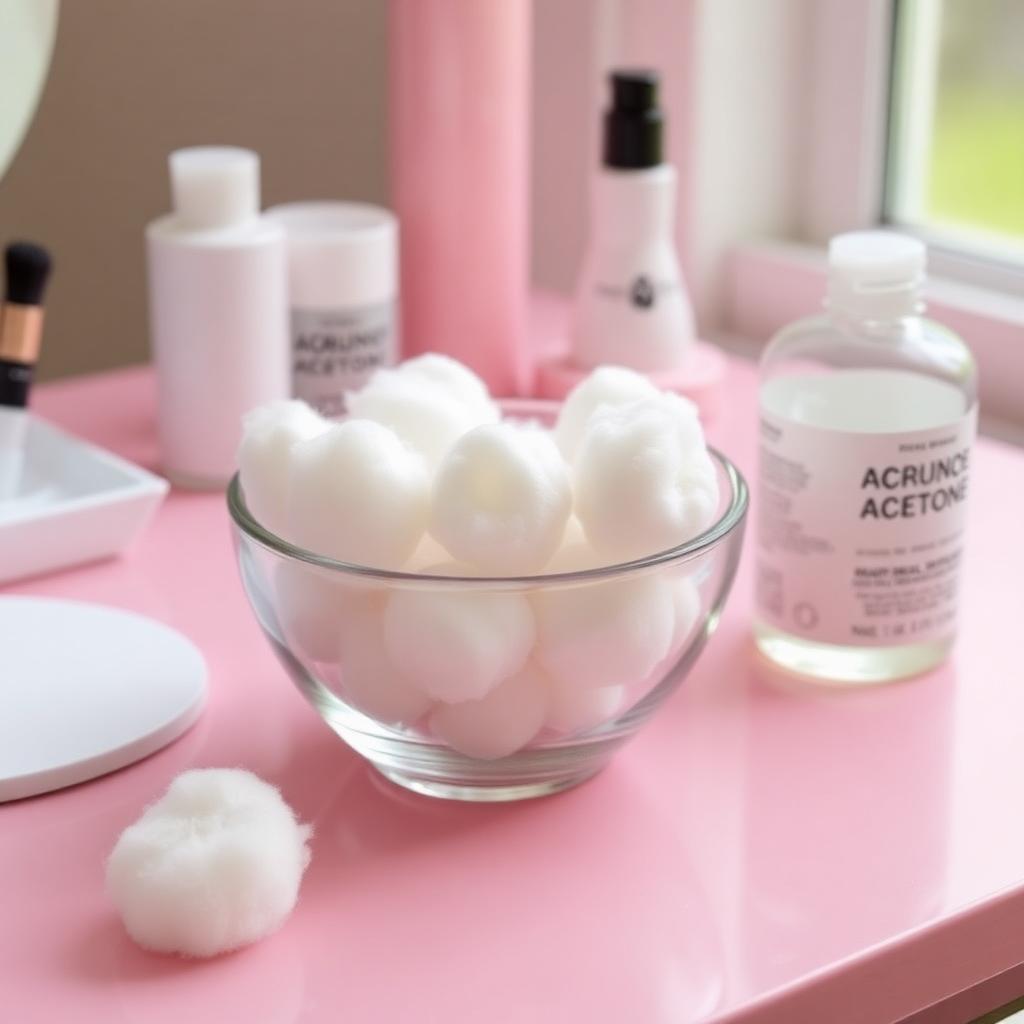
- Pure acetone from the pharmacy or beauty supply aisle. Regular polish remover is diluted with water and conditioners that block the chemical reaction.
- Heavy duty nail clippers that can cut through hard acrylic without crushing it.
- A 100 or 180 grit coarse file for breaking the shiny top seal.
- Ten squares of aluminum foil, each about 3 inches by 3 inches.
- Cotton balls or rounds, roughly torn in half so they sit flat on the nail.
- Cuticle oil or petroleum jelly to shield the surrounding skin.
- An orange wood stick for gently lifting the softened product.
Step by step removal
Work in a well ventilated room because acetone fumes build up quickly in a small bathroom.
- Clip the length. Trim the acrylic extension as close to your natural free edge as you can without nipping skin. Less surface means less acetone work.
- File the topcoat. Sand the shiny sealant until each nail looks chalky and matte. This is the single biggest time saver in the whole process.
- Barrier the skin. Rub a thin layer of oil or petroleum jelly around the cuticle and side walls. Keep the nail face itself oil free.
- Soak and wrap. Saturate a cotton piece in pure acetone, press it onto the nail, and wrap the foil tightly so body heat is trapped inside.
- Wait 20 to 30 minutes. Do not peek every 5 minutes. The reaction needs sustained warmth and saturation to work.
Lift, do not pry
When you unwrap the first finger, the acrylic should look gummy and translucent. Slide the flat edge of the orange wood stick along the nail surface, pushing the softened product from the cuticle toward the tip. If anything resists, re soak immediately. The natural nail underneath is paper thin after weeks under acrylic, and one impatient scrape can split it down to the bed.
Work one finger at a time so the others stay wrapped and warm. Most people find that the dominant hand goes faster because the wraps loosen less while you work.
Aftercare that actually rebuilds the nail
Acetone strips every trace of natural oil from the nail plate, leaving it dehydrated and chalky for a few days. The rebuild routine matters more than the removal itself.
- Wash hands with warm water and a mild soap to flush residual acetone.
- Buff lightly with a soft block to smooth any ridges left behind.
- Massage cuticle oil into the nail folds morning and night for at least two weeks.
- Apply a strengthening base coat with hydrolyzed keratin or biotin while the nail rebuilds.
- Hold off on a new full set for at least 7 to 14 days so the natural plate can rehydrate.
What can go wrong if you rush
The two most common at home mistakes are using regular polish remover and prying with metal cuticle pushers. Diluted remover never fully softens the acrylic, which tempts people to start scraping. Metal pushers are sharp enough to slice the top layer of the natural nail off in a single stroke, which is what causes the deep thin patches that take three to six months to grow out.
If the acrylic was applied over a damaged or lifted nail, stop and book a professional removal instead. Salon e files used by a trained tech are gentler than home prying.
The takeaway
Patience is the entire technique. Pure acetone, foil heat, 20 to 30 minutes of waiting, and a wooden stick that lifts without scraping. Do those four things and the acrylic comes off in soft jelly form, leaving the natural nail underneath intact. Skip any step and you trade a free 45 minute job for months of nail rehab.
Frequently asked questions
Can I use nail polish remover instead of pure acetone?
No. Standard remover is diluted and contains conditioners that prevent the acrylic from fully dissolving.
How long does the soak really take?
Most acrylics release in 20 to 30 minutes. Thicker or gel infused sets can need 40 minutes total with a fresh soak in the middle.
Is it safe to soak my whole hand in a bowl of acetone?
The bowl method works but dries out the skin far more than foil wraps. If you bowl soak, slather petroleum jelly across the entire hand first and limit the dip to 15 minutes at a time.
My natural nail is paper thin underneath. What now?
Skip polish entirely for two weeks, keep them filed short, and apply cuticle oil at least twice a day. A hydrating base coat with keratin helps the rebuild.