Quick Answer
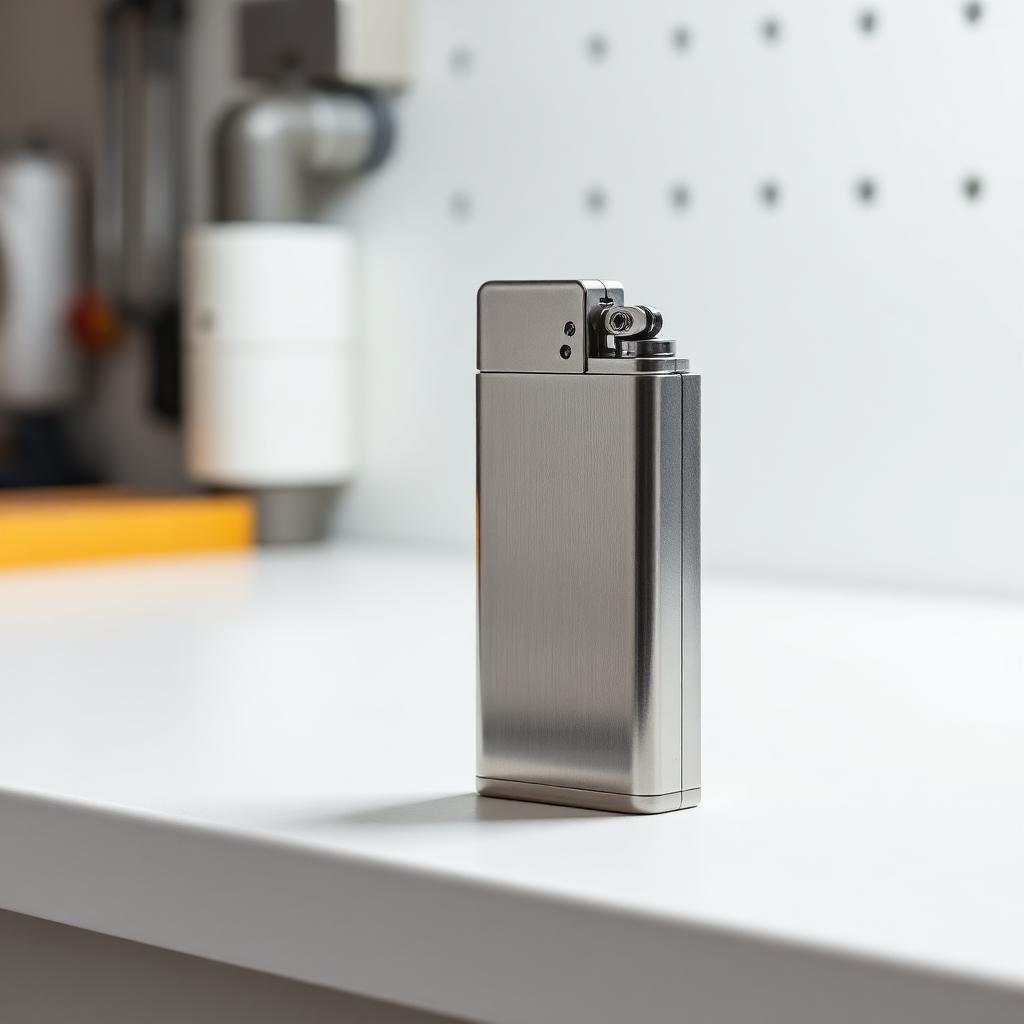
To refill a butane lighter: turn the flame adjuster to the lowest setting, press a small screwdriver into the bottom fill valve to purge all the trapped air until the hissing stops, then hold the lighter upside down, press the inverted butane can straight down into the valve for about 5 seconds, and let the lighter rest for 5 to 10 minutes before lighting it.
The purge step is the one almost everyone skips, and it is the reason a refilled lighter often refuses to light. The trapped air locks new fuel out of the tank.
What you need before you start
- A can of premium grade butane, ideally 5x refined or higher. Cheap butane contains propellants and impurities that will eventually clog the burner jet.
- A small flathead screwdriver, the kind sold for eyeglass repair, or any thin blunt metal pin.
- A well ventilated area away from open flames, hot stoves, pilot lights, and electronics.
- About 15 minutes including the rest time.
Why a lighter stops working before it is empty
Every time you spark a butane lighter, a tiny puff of liquid butane escapes as gas. Each spark also draws a small amount of ambient air back into the tank through the burner. Over weeks of use, that air builds up inside the fuel chamber and creates back pressure. When you try to push new butane in, the trapped air pushes back, and the new fuel cannot enter. You may feel like you are filling it, but most of the can is just spraying out into the room.
This is why purging is the most important step in the process. You have to clear the trapped air before any new fuel will go in.
Step 1: turn the flame to the lowest setting
Look at the bottom of the lighter. You will see a small adjustment wheel marked with a plus and a minus, or sometimes the letters H and L. Use your screwdriver or a coin to rotate the wheel all the way toward the minus or L. If you skip this step, freshly added butane will jet straight out of the burner when you next strike the flint, producing a dangerous foot tall flame.
Step 2: purge the tank (the most important step)
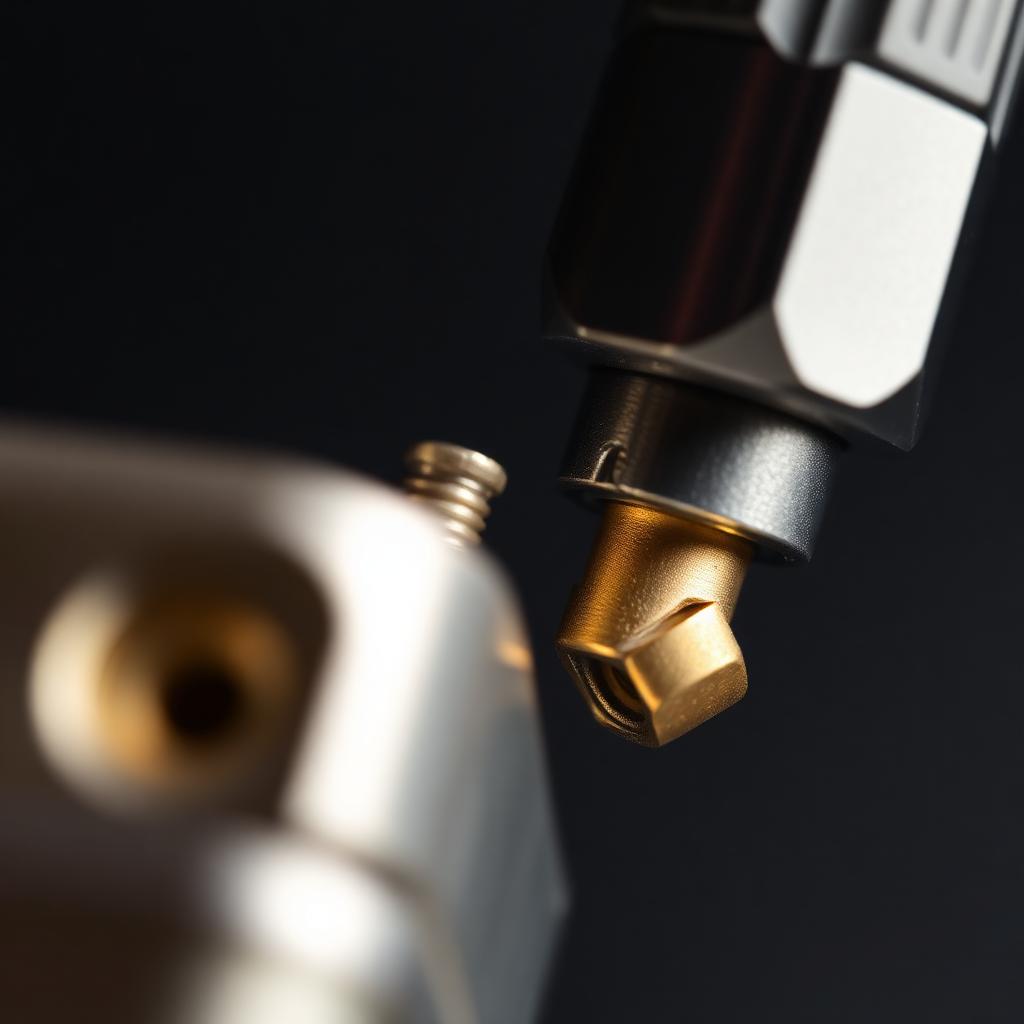
Hold the lighter upright in the air over a sink or outdoors. Find the small brass or silver pin in the centre of the fill valve on the bottom. Press the tip of the screwdriver firmly straight down onto the pin. You will hear a loud, sharp hiss as the trapped air, propellant, and any residual fuel rushes out.
Keep pressing until the hissing stops completely. The chamber is now at atmospheric pressure (effectively a vacuum compared to a pressurised butane can), which means it is ready to suck in new fuel. Never purge near a flame, a hot surface, or a spark, the escaping vapour is flammable.
Step 3: match the temperatures
Butane flows from a warmer, higher pressure container into a cooler, lower pressure one. If the lighter is warm from your pocket and the can has been sitting in a cold garage, the fuel will refuse to transfer cleanly. Solve this two ways:
- Place the empty, purged lighter into the refrigerator for 5 minutes to chill the metal body.
- Warm the butane can in your hands for 60 seconds. Body heat is enough.
This small step alone can double the amount of fuel that actually transfers into the lighter on a given fill.
Step 4: the inverted 5 second fill
Shake the butane can vigorously for 10 seconds to homogenise the liquid fuel and propellant. Hold the can vertically, nozzle pointing straight down. Hold the chilled lighter upside down so the fill valve points straight up. Align the nozzle of the can directly over the valve and press them together firmly with steady downward pressure.
Hold for about 5 seconds. You may feel a faint cold sensation as liquid butane transfers. There should be very little hissing or spray if you have purged properly. Release.
If you see fuel spraying out around the seam, the alignment is off or the lighter is already full. Stop, wait 10 seconds, and try again. Never refill the lighter at an angle: lightweight propellant gas will rise to the top of the can and you will fill the lighter with propellant instead of fuel, ruining the flame.
Step 5: rest the lighter for 5 to 10 minutes
Fresh liquid butane is extremely cold (it boils at roughly minus 0.5 degrees Celsius, or 31 degrees Fahrenheit). Cold fuel will not ignite reliably, and any loose vapour around your fingers is flammable. Set the lighter down on a non flammable surface for at least 5 minutes, ideally 10. The fuel warms to room temperature, the lighter equalises pressure, and any surface vapour disperses safely.
Step 6: re tune the flame
Turn the flame adjuster slowly back up toward the middle. Strike the lighter. You should get a steady blue (or blue with a small yellow tip on soft flame lighters) flame on the first or second click. If the flame is yellow and sooty, the lighter still has some propellant inside, give it another full purge and refill with premium butane.
Troubleshooting
- Lighter still will not light: the flint or piezo igniter may be worn. Replace the flint or, on a torch lighter, clean the spark electrode with compressed air.
- Weak orange flame: too much air or low grade butane. Purge again, switch to a higher quality refined butane.
- Hissing without flame: the burner jet is clogged. Spray it with compressed air upside down to clear debris.
The takeaway
Refilling a butane lighter is mostly about respecting one rule: clear the trapped air before you add new fuel. Purge until silence, chill the lighter, warm the can, and fill upside down in one steady 5 second push. Rest for 10 minutes, retune the flame, and your old lighter performs like new for years.