Quick Answer
For indeterminate (vining) tomatoes, pinch off the small shoots known as suckers that emerge in the V between the main stem and each branch. Also strip all leaves from the bottom 12 inches of the trunk to prevent soil splash disease. Never prune determinate (bush) varieties.
Both habits redirect the plant's energy into fewer, larger, faster ripening tomatoes and dramatically reduce the most common fungal blights.
Check the Variety Before Touching the Shears
This is the single most important step and the one most beginners skip.
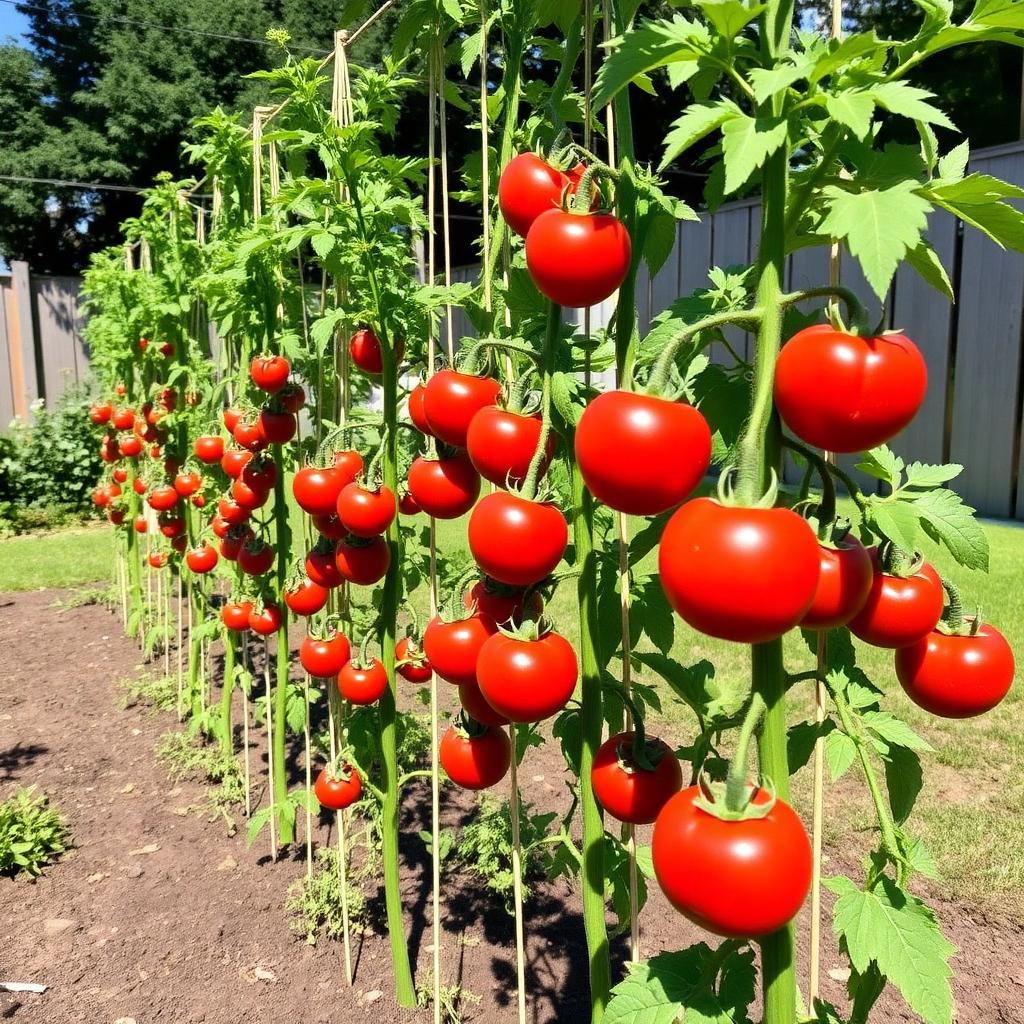
- Indeterminate (vining): Keep growing taller and producing fruit all season until frost. Common indeterminate varieties include Big Boy, Cherokee Purple, Brandywine, Sungold, San Marzano. These need pruning.
- Determinate (bush): Grow to a set height (usually 3 to 4 feet), set all their fruit in a short window, then stop. Common determinate varieties include Roma, Celebrity, Bush Early Girl, Patio. Do not prune these. Removing suckers removes your harvest.
Check the seed packet or plant tag. If you cannot find a label, when in doubt, do not prune.
What Is a Sucker
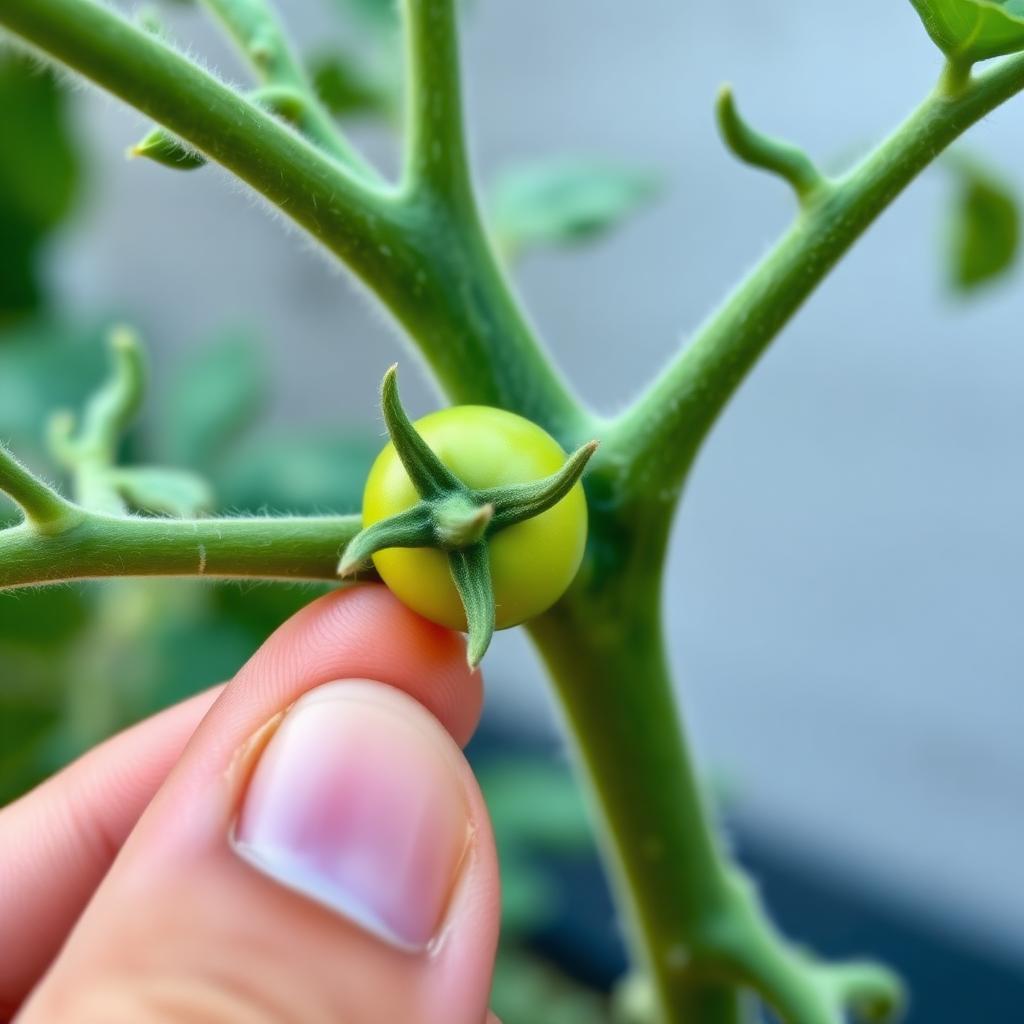
Look at any indeterminate tomato plant. There is a main vertical trunk. Off the trunk, large fruit bearing branches grow horizontally. In the V joint where each branch meets the trunk, a new shoot pushes out at a 45 degree angle. That shoot is a sucker.
Left alone, the sucker grows into a full second trunk with its own branches, leaves, and fruit clusters. That sounds great but it actually slows everything down. The plant divides limited sap, water, and nutrients across far more growth, and the canopy gets so dense that air stops moving and fungus moves in.
How to Pinch a Sucker
- Look for suckers under 2 inches long. They snap off cleanly with no tool needed.
- Grip the sucker between your thumb and forefinger right at the base.
- Push sideways and down. The sucker breaks free at the joint, leaving no open wound to invite disease.
- For suckers over 2 inches, use sharp sterilised pruning snips to avoid tearing the main stem.
Walk your plants twice a week and remove every new sucker you find. Five minutes a week keeps the plant in production form all summer.
Clear the Lower 12 Inches of the Trunk
Fungal spores for early blight and septoria leaf spot live in the soil. Every time you water or rain falls, soil splashes up onto the lowest leaves and infects them. From there the disease climbs upward and can defoliate the entire plant in three weeks.
Break the cycle. Once the plant reaches about 18 inches tall, use sterilised snips to remove every leaf and small branch from the bottom 12 inches of the trunk. Leave the trunk itself completely bare from soil to that height.
Two wins follow: soil splash cannot reach foliage, and air moves freely under the plant so leaves dry faster after rain.
Single Stem vs Double Stem Method
You have two options for vining tomatoes.
- Single stem: Pinch every sucker. The plant becomes one tall single leader trained up a stake or string. Best for greenhouse tomatoes or tight spaces. Produces the largest, earliest fruit.
- Double stem: Allow the first sucker just below the first flower cluster to grow into a second leader. Pinch everything else. Two leaders give nearly double the fruit count at slightly smaller size. Best for outdoor garden beds.
Pick one method per plant and stay consistent.
Topping the Plant in Late Summer
About 4 to 6 weeks before your average first frost, snip off the very top growing tip of each indeterminate plant. This is called topping.
The plant stops trying to grow taller and instead pumps every remaining bit of energy into ripening the fruit already on the vine. Topping can pull an extra 20 to 30 percent of green fruit into ripeness before the season ends.
Tools and Hygiene
- Use bypass pruners or sharp household scissors, not anvil style pruners that crush stems.
- Wipe blades with rubbing alcohol or a 10 percent bleach solution between plants. Tomato viruses spread easily on dirty tools.
- Prune in the morning on a dry day so wounds seal before nightfall.
What Not to Do
- Do not strip every leaf above the fruit. Leaves are the engine that ripens tomatoes.
- Do not prune wet plants. Wet wounds invite bacterial spread.
- Do not over prune determinate varieties out of habit.
- Do not compost diseased foliage. Bag it and trash it.
Pair Pruning with Support
A pruned tomato can carry far more fruit weight per stem and needs strong support. Florida weave between two T posts, a heavy duty cage, or a single tall stake with garden twine all work. Tie loosely with soft cloth strips so growing stems are not strangled.
The Takeaway
Pruning indeterminate tomatoes is the cheapest yield boost in the garden. Identify the variety, pinch the V joint suckers weekly, clear the lower 12 inches of foliage, and top the plant before frost. Five minutes of work twice a week and your plants will reward you with larger, cleaner, faster ripening fruit all summer.